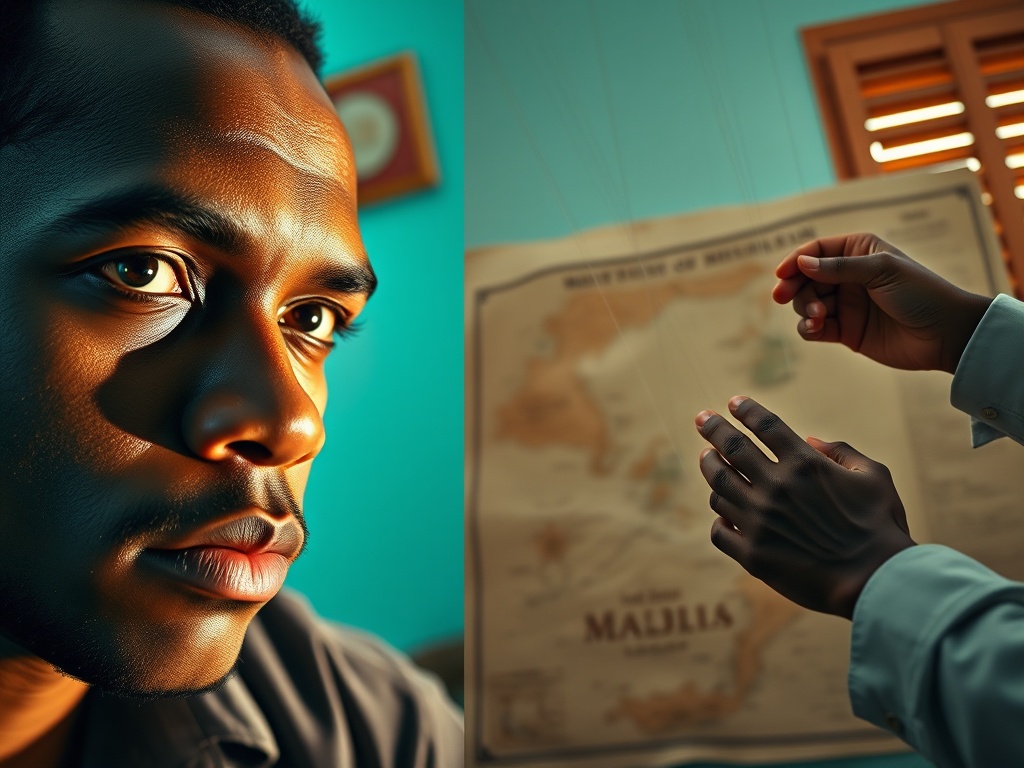
Political Theater in Maldives: When Leaders Blink on Cue
In Maldivian politics, the camera reveals everything. True political actors control their gaze—blinking only when weakness serves the scene. This isn't Hollywood drama but our daily reality, where aspiring leaders forget that authentic expression requires both skill and sincerity.
Our current political landscape increasingly resembles a staged production. Genuine conviction has been replaced by bandwagoning. We watch figures who seem incapable of real preferences, moving instead like puppets advancing agendas for modest paychecks. This reflects not just individual failings but a system that rewards conformity over character—where the 'Sihuru' often feels like an elaborate scam.
This performance extends to governance itself. When citizens joke that 140 million might be the 'abolish everything' price, they reveal a deeper truth: institutional trust has grown so fragile that minor grievances trigger calls for systemic overhaul. The parking ticket that makes you want to dissolve the city council isn't mere exaggeration—it's accumulated disillusionment.
The public watches political dramas they're already living. Some express discomfort with the bloodsport of politics, while others question whether policy preferences have become loyalty tests. The shift from dietary advice to travel boycotts to media recommendations raises fundamental questions: Are we a democracy charting our own course, or aspiring to become something else entirely?
Behind the scenes, doubts persist about whether government will permit genuine change. Yet this skepticism meets determination—a collective recognition that if prevention comes, solidarity becomes essential. The real performance unfolds not just in official statements but in the spaces between rhetoric and public response.
In Maldives, where political families dominate appointments and resort profits flow offshore while citizens face housing crises and medicine shortages, demands for authentic leadership intensify. The public has become sophisticated viewers of this political theater, distinguishing between controlled blinking that conveys strength and nervous twitches that betray uncertainty. They no longer tolerate performers who haven't mastered their craft—they demand leaders who don't need to act at all.
— Source fragments: Political performance, authenticity concerns, public skepticism, systemic criticism