Politicians sold ventilator slots during COVID crisis
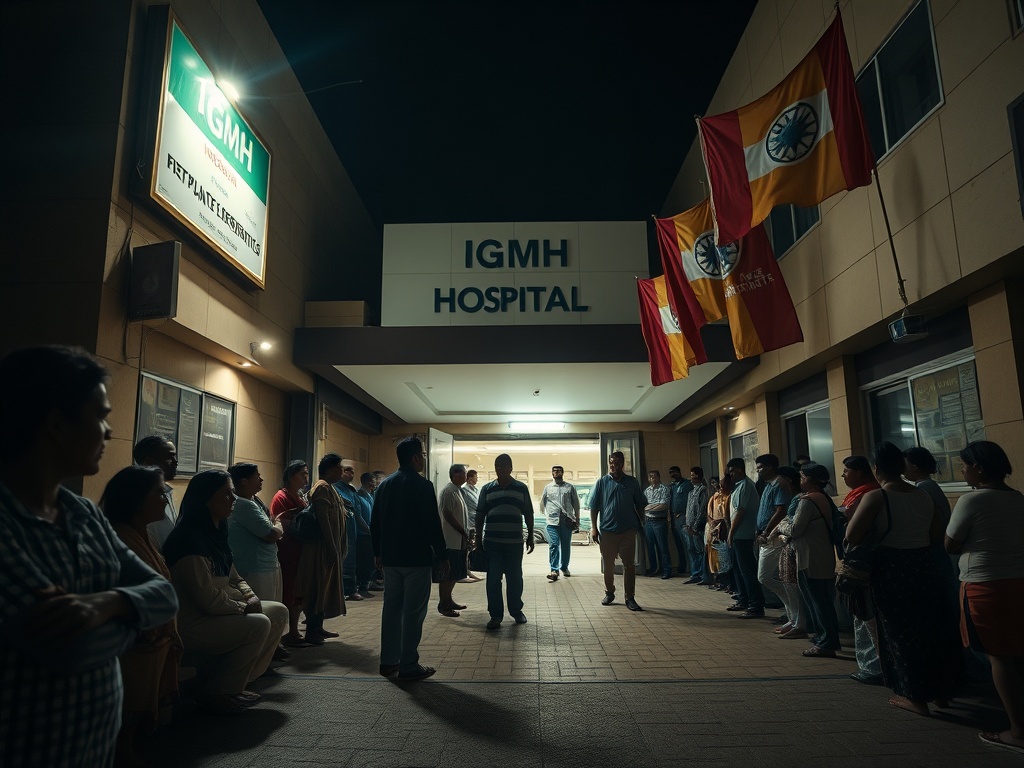
I remember standing outside IGMH during those terrible days, watching families huddle together in the humid night air, their faces illuminated by the harsh hospital lights. The fear was palpable—you could taste it in the salty breeze coming off the sea. When someone you love is fighting for breath, you'll do anything. Anything at all.
That's what they counted on—these politicians who treated our most vulnerable moments as opportunities. The family I knew wasn't looking for political favors. They were just trying to keep their father, their brother, their uncle alive. When the MDP representative approached them with that offer—sign the membership form, get the ventilator—what choice did they really have? They signed with trembling hands, desperate for that machine to pump air into failing lungs.
And it worked. For three days, the ventilator hissed and clicked, keeping their loved one alive. Then, just as suddenly as it appeared, it was gone. Moved to someone else, they were told. Someone who maybe signed a different form, or knew a different politician. The silence that followed was louder than any machine.
This wasn't some isolated mistake. Across Malé and the atolls, the same story played out. Politicians from multiple parties turned our healthcare system into a marketplace. They knew the value of a signature when life hung in the balance. They understood that when your loved one is drowning in their own fluids, principles become luxuries you can't afford.
We all saw the aid money flowing in—from India, from other friendly nations. The government announced new ventilators, more equipment, better facilities. But where are they? The math doesn't add up. The numbers they announced versus what actually reached our hospitals—there's a gap wide enough to drive a speedboat through.
Meanwhile, families gathered in hospital corridors, making impossible calculations. How many party memberships equal one ventilator day? How many political favors equal a human life? We watched as our leaders played medical triage with people's futures, deciding who breathed and who didn't based on political allegiance rather than medical need.
The sea has always been our provider and our challenge. We understand that resources can be scarce. But this was different. This was manufactured scarcity. This was taking what little we had and making people beg for it, making them trade their dignity for a chance at life.
Even now, when I pass that family's home in Malé, I see the emptiness where their loved one should be. The political banners have changed, the election cycles have turned, but that loss remains. It's a permanent marker of how low our politics sank during our darkest hours.
We deserve better than leaders who see crises as opportunities. We deserve systems that protect the vulnerable rather than exploit them. The memory of those who died waiting for ventilators that were being traded like political currency should haunt our collective conscience until we build something better.