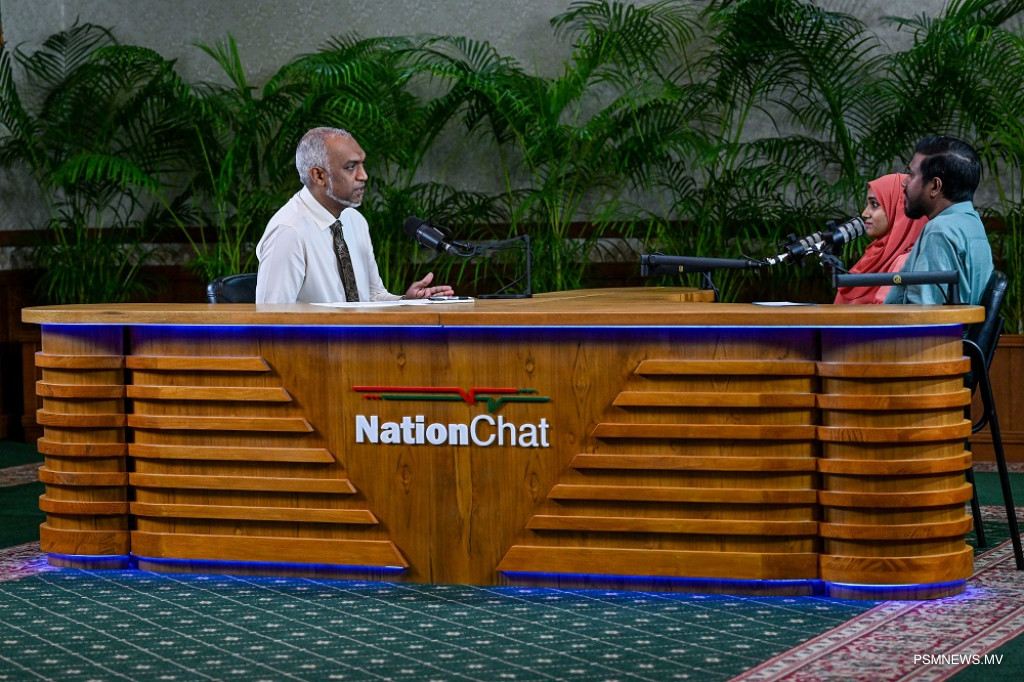
President Muizzu to Cut State Enterprise Staffing to Match Operational Needs
President Dr Mohamed Muizzu has announced that staffing levels across state-owned enterprises (SOEs) will be aligned with actual operational requirements by the end of the year. This move is part of a broader effort to reinforce corporate governance and eliminate systemic inefficiencies within the public sector.
Addressing the issue, the President observed that excess personnel were previously hired primarily to secure political advantages. He noted that while his administration initially pledged not to dismiss employees upon taking office—ensuring no structural workforce reductions occurred over the past two years—the current scale of overstaffing has become unsustainable. Many government-owned entities saw recruitment volumes far exceeding their needs, resulting in a significant portion of the payroll being spent on idle staff who draw salaries without performing active duties.
President Muizzu emphasized that to fortify governance frameworks, employees without assigned responsibilities must be dismissed. However, these terminations will not be arbitrary; they will be based on systematic evaluations of individual conduct, attendance records, and workplace performance.
The President specifically highlighted Fenaka Corporation, the state enterprise responsible for regional utility services. He noted that a vast number of people were recruited only to remain at home. Referencing reports from the Auditor General, the President stated that Fenaka is mired in institutional problems that necessitate decisive structural reform, reduced expenditure, and upgraded operations.
To mitigate the economic impact on affected workers, the government will provide structured redundancy packages. Additionally, the administration will facilitate access to concessionary loans to help laid-off individuals transition into self-employment or private business ventures.
Data provided by the President of the Privatisation and Corporatisation Board to a parliamentary committee reveals that more than 18,000 employees were added to SOEs during the previous administration. Official records indicate that this rapid expansion coincided with a decline in the financial health of the state business sector, compounded by missing employment documentation and unverified personnel records in several enterprises.