"Propaganda is Part of Democracy," They Say to Skeptical Faces
In the theater of Maldivian politics, the gap between political rhetoric and public trust has never been wider. The recent defense of political messaging as mere democratic discourse—"Propaganda is part of democracy"—highlights a fundamental tension in how power communicates with the people it serves.
The pattern is familiar: ambitious promises made with theatrical flair, from underwater tunnels billed as "first in the world" to comparisons of parliamentary sacrifice to maternal labor. These rhetorical flourishes often precede what citizens describe as the "bare minimum" governance approach, where successive administrations choose shortcuts over sustainable development.
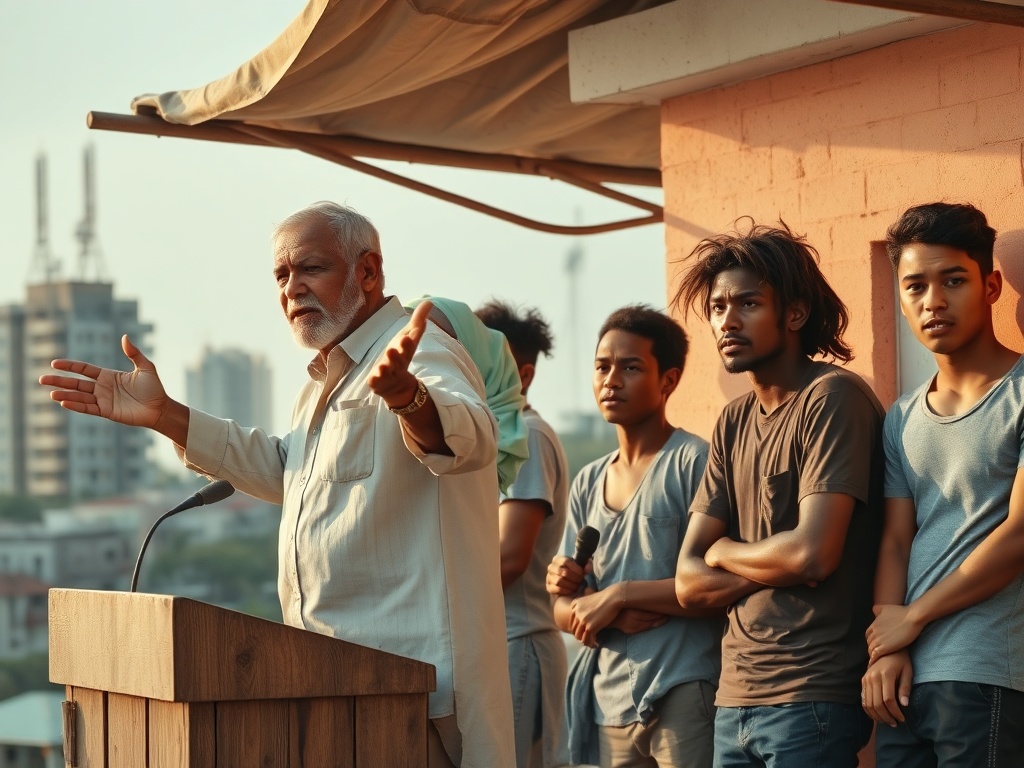
This credibility crisis is particularly acute among younger citizens aged 18-30, who demonstrate what might be called political agnosticism. They don't resonate with any particular politician or party, waiting instead for meaningful movements that address genuine concerns rather than pander to perceived interests. Their skepticism reflects a broader fatigue with political theater that fails to deliver substantive change.
The current parliamentary landscape faces accusations of anti-intellectualism, where complex national challenges meet simplistic solutions. When political discourse prioritizes spectacle over substance, it creates what observers describe as weekly "brain rot"—a cycle of empty rhetoric that fails to address pressing issues like the housing crisis, healthcare shortages, or economic instability.
Historical context adds layers to this skepticism. Opposition parties that once criticized similar behavior now find themselves subject to the same scrutiny when roles reverse. This pattern suggests the problem isn't partisan but systemic—a political culture that rewards grand promises over diligent governance.
The fundamental question emerging from this dynamic isn't about which party holds power, but whether the political system itself can evolve beyond short-term thinking. As one perspective notes, no country has ever prospered by taking shortcuts. The challenge for Maldivian democracy lies in transforming political communication from a tool of persuasion into a mechanism for genuine engagement and accountability.
— Source fragments: Propaganda is part of democracy, We are a democratic country, promised underwater tunnel, every government chooses the easy way out, no country has ever prospered by taking shortcuts, 18-30 age group don't resonate with any particular politician, anti-intellectual MPs, historical pattern of similar rhetoric