Proposed Law to Allow Government Takeover of Council Land for Rapid Development
The Local Government Authority (LGA) says a proposed amendment to the Decentralisation Act will accelerate infrastructure development across the Maldives by allowing the State to reclaim land under council jurisdiction.
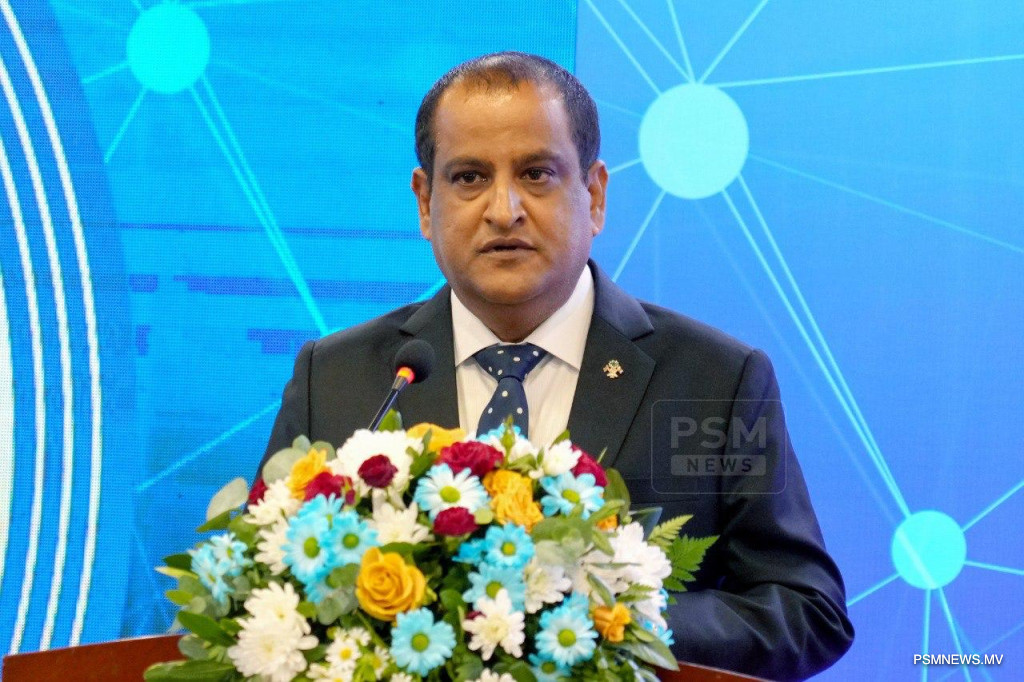
LGA Chief Executive Officer Mohamed Nimal stated that the measure is necessary to prevent delays caused by local councils refusing or slowing down the release of land required for national projects. According to Nimal, while councils provide essential public services, they must also act as facilitators for government initiatives intended for the collective benefit of the people.
The bill, submitted by Thulhaadhoo MP Abdul Hannan Aboobakuru, seeks to establish a clear legal framework to ensure full council cooperation. A key provision would empower the Cabinet to remove specific land or areas from a council's jurisdiction if they are deemed essential for state-led development projects.
Crucially, the proposed law would allow the government to take over these lands even before a city or island's physical development plan has been officially approved and implemented. This removes a significant bureaucratic hurdle that has previously stalled time-sensitive infrastructure work.
MP Abdul Hannan emphasized that the amendment is designed to strengthen the procedures for acquiring land for state projects, ensuring that development is not hindered by local administrative bottlenecks. The bill further mandates that councils provide full cooperation and prohibits them from obstructing projects or making decisions that result in work being halted without a valid reason.
This legislative shift highlights a tension between local autonomy and central government efficiency. However, the LGA maintains that taking over specific plots for development will not impair the ability of councils to perform their primary duties or provide services to their constituents.