Proud Men and the Space Between Looking Up
In the intricate social fabric of the Maldives, where power has historically concentrated in few hands, there exists a particular tension between those who govern and those who are governed. The observation that "proud men don't like having to look up" resonates deeply in a nation where hierarchical structures have long defined political and social relationships. This dynamic plays out not just in the halls of government but in the everyday interactions that shape Maldivian society.
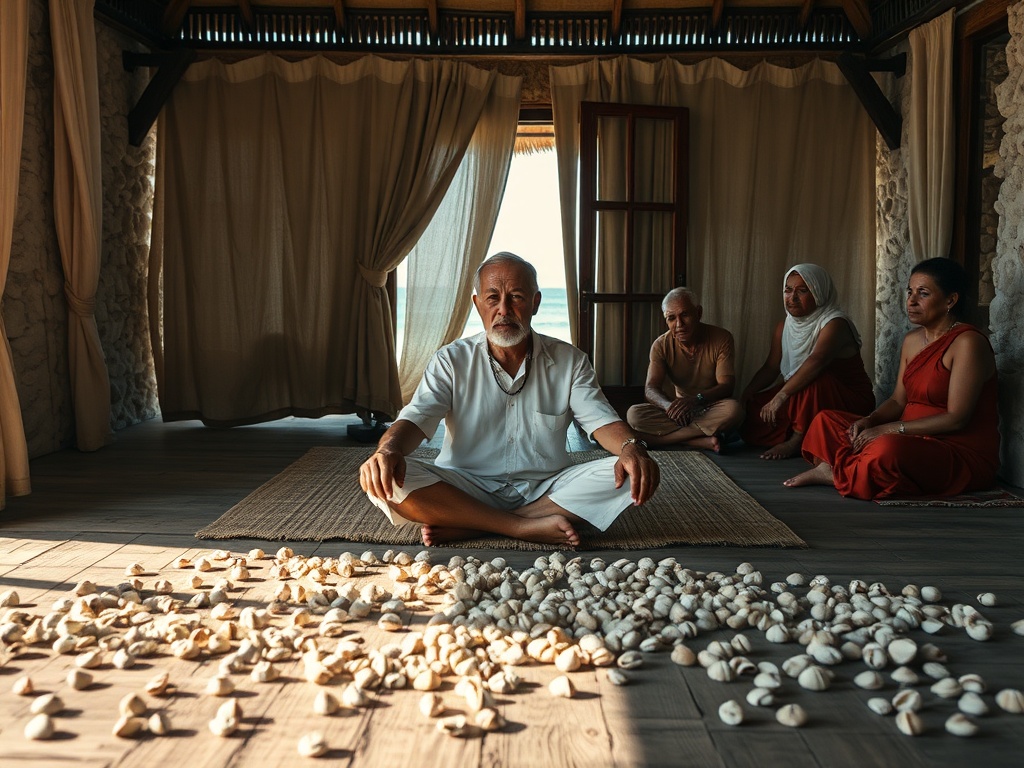
The historical memory of the islands offers a striking contrast to contemporary power struggles. Once, Maldivians built prosperity through the humble cowrie shell, creating wealth that sustained generations in relative contentment. Our forefathers understood the rhythm of the ocean, the value of natural resources, and the importance of community interdependence. This historical reality stands in stark relief against modern political landscapes where power often feels distant, abstract, and occasionally arbitrary.
Today, conversations about governance and leadership unfold across digital spaces, revealing both engagement and disillusionment. The observation that "to the discontented, rumors are feed" speaks to how information—and misinformation—spreads in tightly-knit island communities. When formal channels feel inaccessible or untrustworthy, informal networks become the primary means through which people make sense of their political reality.
This environment creates particular challenges for leadership. The expectation that those in "the highest seat" should embody both authority and accessibility reflects the complex demands placed on Maldivian leaders. In a nation where personal relationships often matter as much as formal positions, the distance between ruler and ruled can feel both geographical and emotional.
The genetic and cultural connections to South Asia that many Maldivians share—estimated at 95-98% DNA similarity—add another layer to this conversation about identity and belonging. These historical ties inform contemporary debates about sovereignty, foreign relations, and cultural preservation, creating a complex backdrop against which leadership must be evaluated.
What emerges from these fragmented conversations is a portrait of a society grappling with the weight of its history while navigating the challenges of modernity. The tension between pride and deference, between historical memory and present reality, between formal power and informal influence—these are the currents that flow beneath the surface of Maldivian political life. They remind us that leadership, in the end, is not just about occupying high seats but about understanding the complex human landscape over which one presides.
— Source fragments: "You sit upon the highest seat in the realm, Your Grace. Proud men don't like having to look up." "once upon a time we made a living exporting cowrie shells our forefathers became rich due to the shells and lived a happy contented lives." "To the discontented, rumors are feed." "i don't know about sri lankans specifically but the majority of us do share 95-98% dna with south asians"