Reflections of Truth: Navigating Identity Amidst Maldivian Tensions
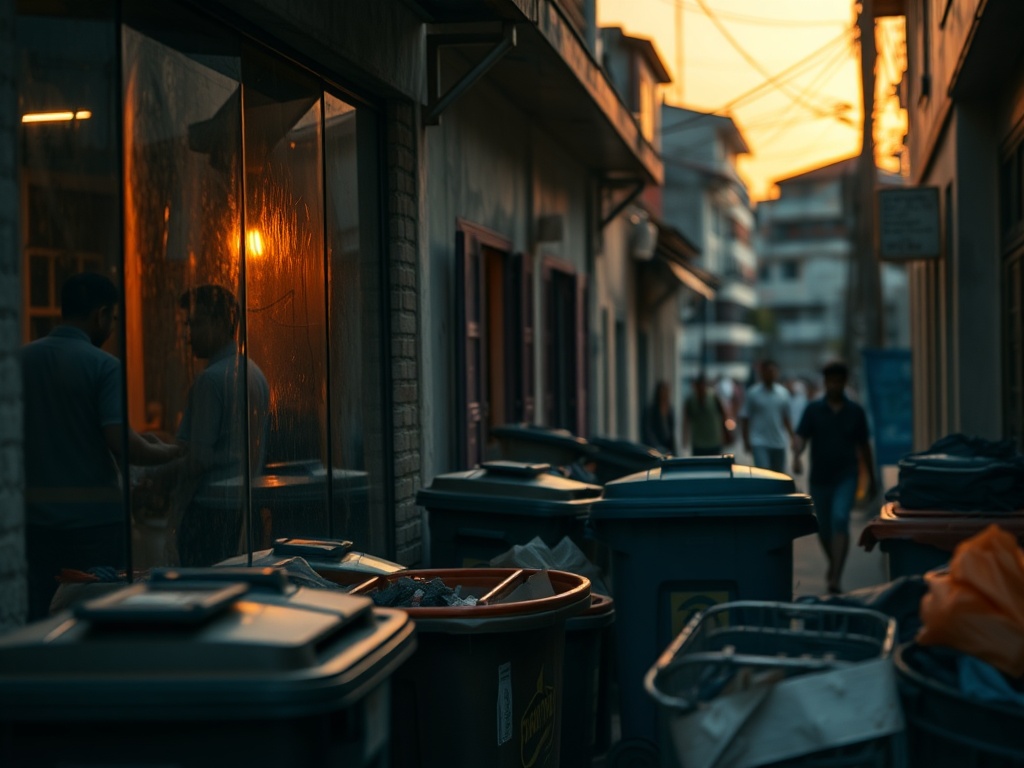
The glass windows of Malé shops reflect more than just the tropical sun—they mirror the fragile state of our discourse. Anyone could throw a rock and shatter them, yet most don't. This simple observation holds a deeper truth about our islands: restraint exists even when power tempts destruction. Yet in our digital spaces, we've become masters of breaking things with words alone.
What makes meaningful dialogue so difficult here isn't the lack of intelligence or passion, but how we determine truth. We've learned to judge statements not by their accuracy but by whether we like who said them or how they made us feel. If the speaker aligns with our tribe, even the most questionable claims find acceptance. If not, even verifiable facts meet immediate rejection.
This selective hearing extends beyond politics into our daily struggles. The average Malé resident and those from the outer atolls face genuine hardship—skyrocketing living costs, inadequate healthcare, the constant anxiety of finding work without 'licking the right shoes.' Meanwhile, those with connections navigate a different reality, owning land across multiple islands while presenting themselves as common citizens.
Our conversations about foreign workers reveal another layer of this complexity. We joke about fake certificates and system gaming, yet beneath the humor lies genuine concern about our sovereignty and economic future. The paranoia about security that we observe in other nations begins to make sense when you live on small islands in a vast ocean.
Perhaps what we're really discussing when we talk about these surface issues is something deeper: the fear of losing our identity, our land, our way of life. The Binveriya scheme debates aren't just about property—they're about inheritance, belonging, and what we're willing to sacrifice for security. When believers risk everything for faith or citizens sign away ancestral lands, they're making calculations about what matters most in an uncertain world.
The dustbins overflowing in Malé's streets serve as physical reminders of what happens when systems break down. But the real clutter isn't the visible garbage—it's the accumulated misunderstandings, the tribal loyalties, the unexamined assumptions that prevent us from seeing each other clearly across our divides.
— Source fragments: that's not how it work brother. countries don't start wars just because they can. see all the glass windows in shops? Anybody can throw a rock and shatter it; What makes it difficult to have any meaningful dialogue with most Maldivians on X is that we often decide what's right or wrong not based on the content itself; Male is a dustbin now; very likely true. cos they bring fake certificates. its hilarious actually. Lankans will be joking how easy its to game the system here; And where will I find a job without licking Muizzu shoe? And what medical services are available to my ageing parents?; I think the tweet is specific to people like Mariya who own land across the Maldives and then claim to be a commoner. The average Malé and RT meehaa are living in tough conditions