Reforming Dhivehin out of beg borrow steal mindset
The words hang in the humid air like the salt spray off the reef. 'Beg borrow steal mindset.' We hear this sometimes in tea shops when the evening cools and conversations turn serious. Someone always says it with that mix of frustration and hope—the hope that we can be more than what we've become.
We know this feeling too well. On these islands where everyone knows everyone, we see how dependency has woven itself into our daily lives. The expectation that someone else will provide, that solutions come from outside rather than from within our own hands and hearts. It shows in how we wait for government jobs, for foreign aid, for that magical plane that will solve everything while our own boats sit unused.
But beneath the harsh words lies something deeper—a love for who we could be. Our grandparents built houses from coral stone with their bare hands, navigated oceans by stars, survived monsoons with nothing but resilience. That strength still runs in our blood, even if we've forgotten how to tap into it. The frustration comes from knowing we're capable of more than waiting.
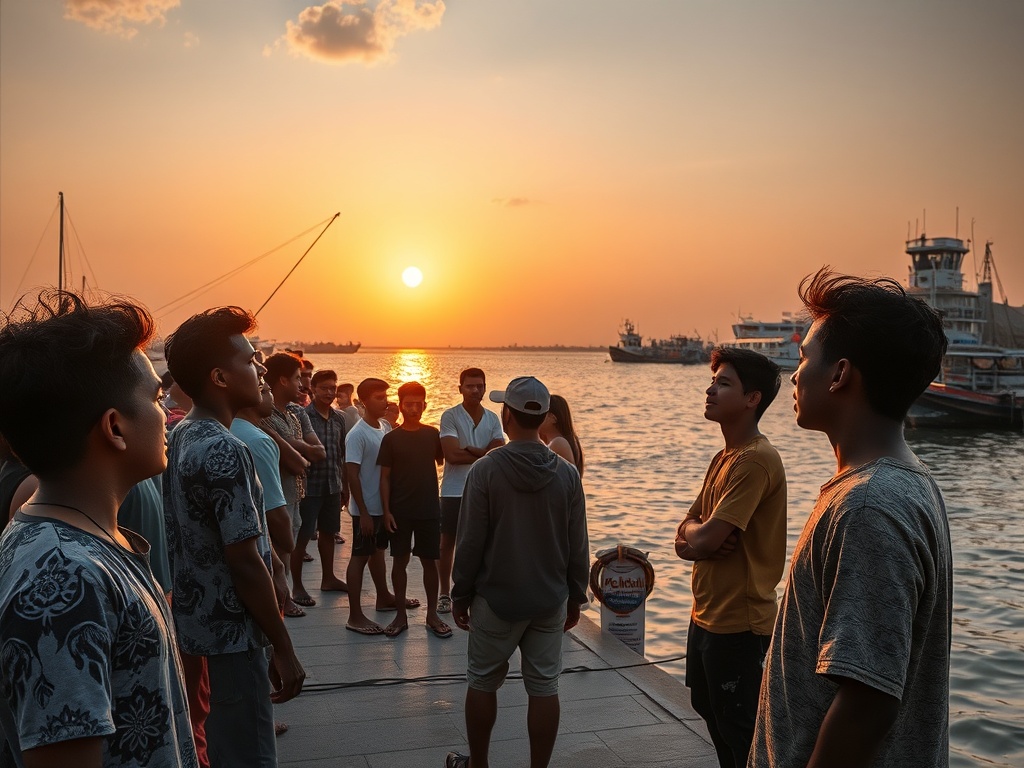
When we look at our youth staring at phones in crowded Malé cafes, or our fishermen complaining about diesel prices instead of mending nets, we feel this tension between what was and what could be. The call for reform isn't about rejecting our identity—it's about reclaiming the best parts of it. The parts that built civilizations on these tiny atolls against all odds.
Change begins slowly, like the tide turning. It starts when a young person chooses to fix something instead of replacing it, when a community solves its own water problem instead of waiting for aid. We're tired of the cycle—the complaining, the blaming, the waiting. Maybe what we need isn't a plane at all, but the courage to build the runway ourselves.