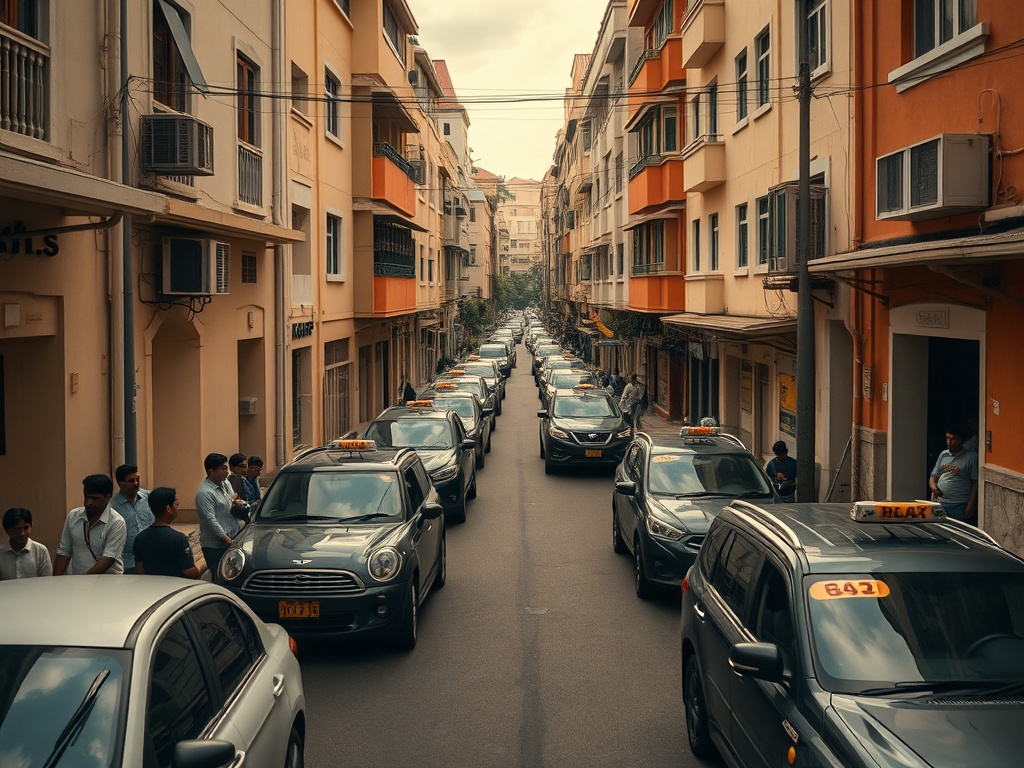
Regulate the existing fleet, not buy new taxis
The familiar sight of wide-body taxis idling along Malé's narrow streets speaks to a deeper problem we've all experienced. When we say the fleet has flopped, we're not just talking about empty seats or underutilized vehicles. We're talking about a system that isn't working for anyone—not the drivers spending hours circling for parking, not the passengers waiting in the heat, and certainly not our congested capital city that can barely breathe between vehicles.
This observation that we should regulate what exists rather than add more taxis hits at something fundamental about how we approach problems in the Maldives. We often default to new infrastructure, new fleets, new projects—the shiny and visible—while neglecting the practical maintenance and optimization of what we already have. The existing taxi fleet, if properly managed and supported with better infrastructure, could serve our needs perfectly well without adding to the traffic chaos that defines our daily commutes.
What does investing in roads and parking actually mean for Maldivians? It means mothers with young children not having to walk blocks from where they found parking to their destination. It means elderly relatives being dropped off safely without blocking traffic. It means delivery vehicles having space to load and unload without creating bottlenecks that ripple across the city. These are the quality-of-life improvements that matter in our crowded islands, where every square meter of public space counts.
The willingness to work together expressed here reflects a Maldivian approach to problem-solving that we sometimes forget in our political divisions. When fishermen face challenges, they don't demand new boats—they work with harbor masters to improve docking facilities. When guesthouse owners struggle, they collaborate on waste management and water systems. The same collaborative spirit should apply to our transport system, where drivers, regulators, and urban planners can create solutions that serve everyone.
Our islands have always been about making the most of limited resources. From carefully managing fishing grounds to maximizing rainwater collection, we understand sustainability not as an abstract concept but as daily practice. Applying this wisdom to our transport system means optimizing what we have rather than constantly expanding. It means recognizing that more taxis on already congested roads help no one, while better roads and parking help everyone.
There's hope in this practical approach. By focusing on regulation and infrastructure rather than fleet expansion, we can create a transport system that actually serves Maldivians—safe, efficient, and responsive to our island realities. The sea has always taught us that working with what we have, understanding currents and seasons, yields better results than fighting against nature. Perhaps our land transportation needs the same wisdom.