Rethinking Island Security
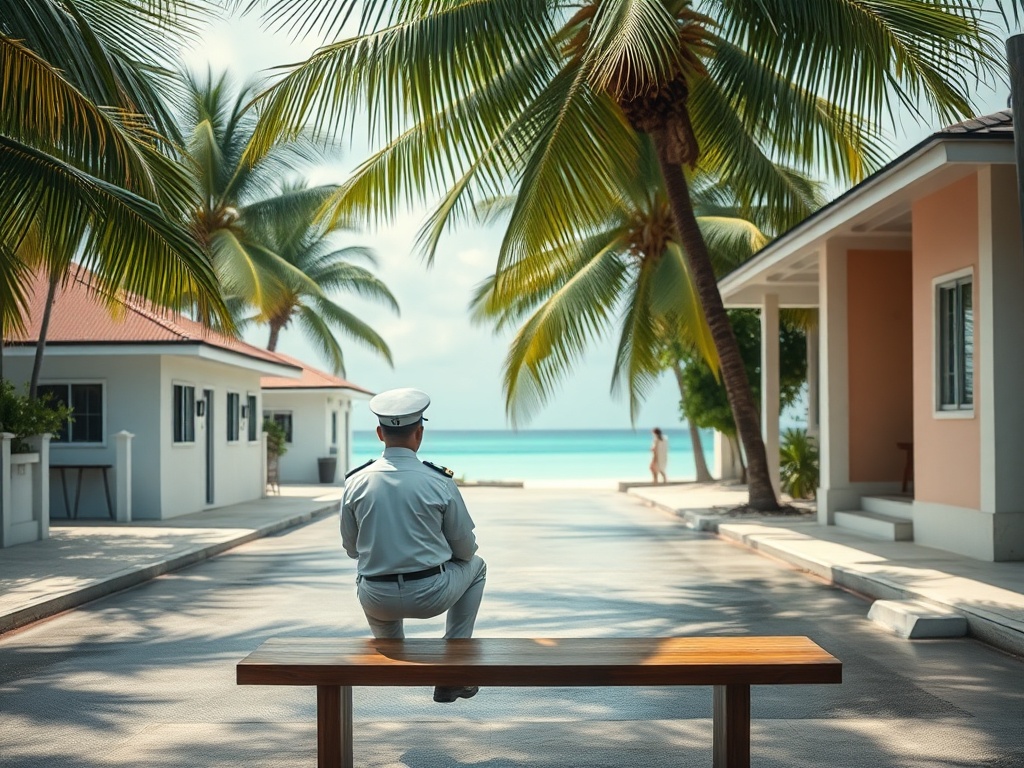
The sun beats down on the white coral sand, and the sea breeze carries the scent of salt and drying fish. On this small island, life moves at its own rhythm—the morning rush to the harbor, children cycling to school, elders gathering for evening tea. The idea of stationing three police officers here feels like trying to anchor a large boat in a shallow lagoon. It doesn't quite fit the scale or the spirit of the place.
In communities where everyone knows each other, security often comes from shared responsibility, not just formal enforcement. Neighbors watch over each other's homes, fishermen keep an eye on the horizon, and local councils resolve disputes long before they escalate. The real threats here are not cinematic—no shadowy networks plotting in the dark. They are quieter, more mundane: a stolen outboard motor, a boundary dispute between families, the occasional reckless speedboat near the swimming area.
A regional approach makes sense—not because these islands are dangerous, but because they are connected. A centralized team can respond when needed, share intelligence, and deploy resources where they matter most. It's about being smart, not just visible. Pouring limited funds into underused outposts feels like watering a garden with a leaky bucket—well-intentioned, but wasteful.
There's a deeper unease, too—a sense that these decisions are made far from the shores they affect. They lack the nuance of island life, the understanding that safety here is woven into daily rhythms, not imposed from outside. What's needed is not more officers, but better thinking—approaches that respect both the peace of these islands and the practicality of governing them.
— Source fragments: I don't believe we shall have police in every island. We shall have regional police forces. Not tiny 3 people police in every island. This wastes resources.