Reviving Our Roots in Traditional Herbal Medicine
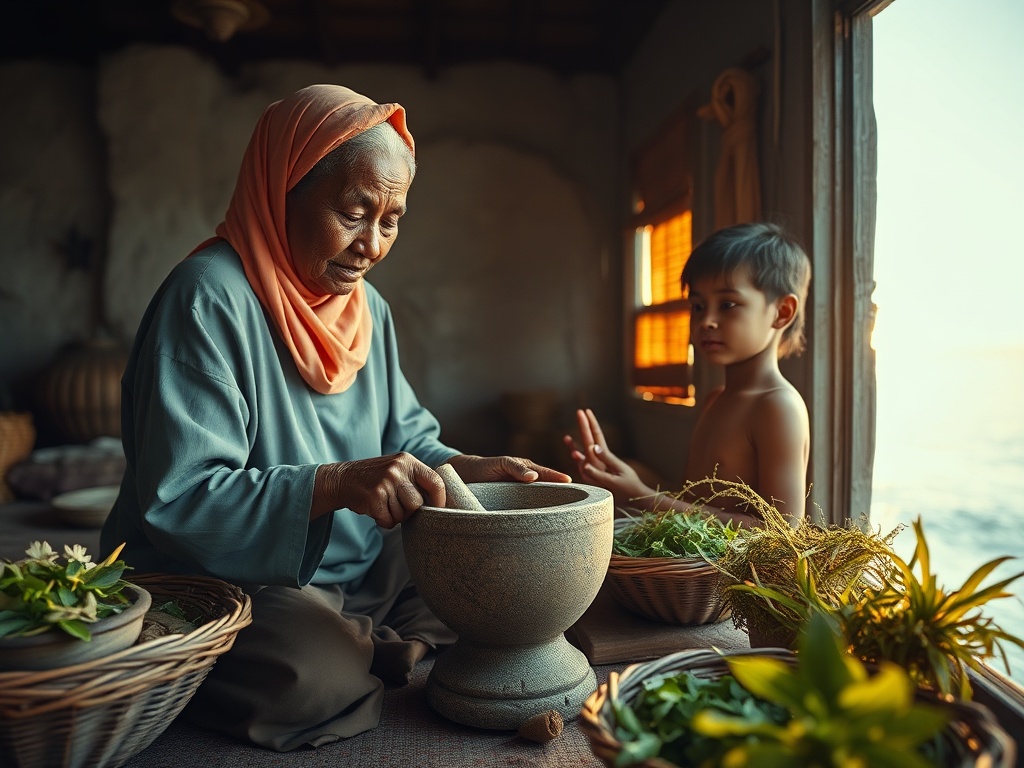
I remember the grinding stone in our family friend's hands, the rhythmic scraping as she prepared the wood paste that would stop my vomiting instantly. That traditional medicine master knew what modern doctors sometimes overlook—that our islands hold healing secrets in their plants and trees. In a country where public hospitals often lack basic medicines and many seek treatment abroad, this memory feels like more than nostalgia. It feels like a practical solution waiting to be rediscovered.
Our ancestors lived for centuries without imported pharmaceuticals, developing sophisticated knowledge of local herbs, barks, and roots. They understood which plants could reduce fever, which leaves could heal wounds, and which woods could settle stomachs. This wisdom wasn't just folk medicine—it was survival science tailored to our specific environment and constitution. When modern anti-nausea medications failed me as a child, that simple wood paste applied to my tongue worked within minutes, leaving my mother—and the doctor she consulted later—in awe of its effectiveness.
Today, as we navigate healthcare challenges where Aasandha insurance faces fraud and many families scrape together savings for medical trips to India or Sri Lanka, traditional medicine offers more than cultural preservation. It offers accessibility. Most herbal remedies have minimal to no side effects, unlike the powerful pharmaceuticals that sometimes cause additional health complications. For common ailments that don't require specialized care, these traditional solutions could reduce strain on our healthcare system while keeping treatment within family and community networks.
The revival isn't about rejecting Western medicine entirely—emergencies and complex conditions still need modern intervention. But for everyday health concerns, the gentle effectiveness of traditional remedies deserves its place in our healthcare landscape. We could document these practices before the knowledge disappears with the older generation, create community gardens of medicinal plants, and integrate validated traditional treatments into our healthcare options. This isn't just about honoring our heritage—it's about building a healthcare system that truly serves Maldivian needs, combining the best of both worlds for our people's wellbeing.