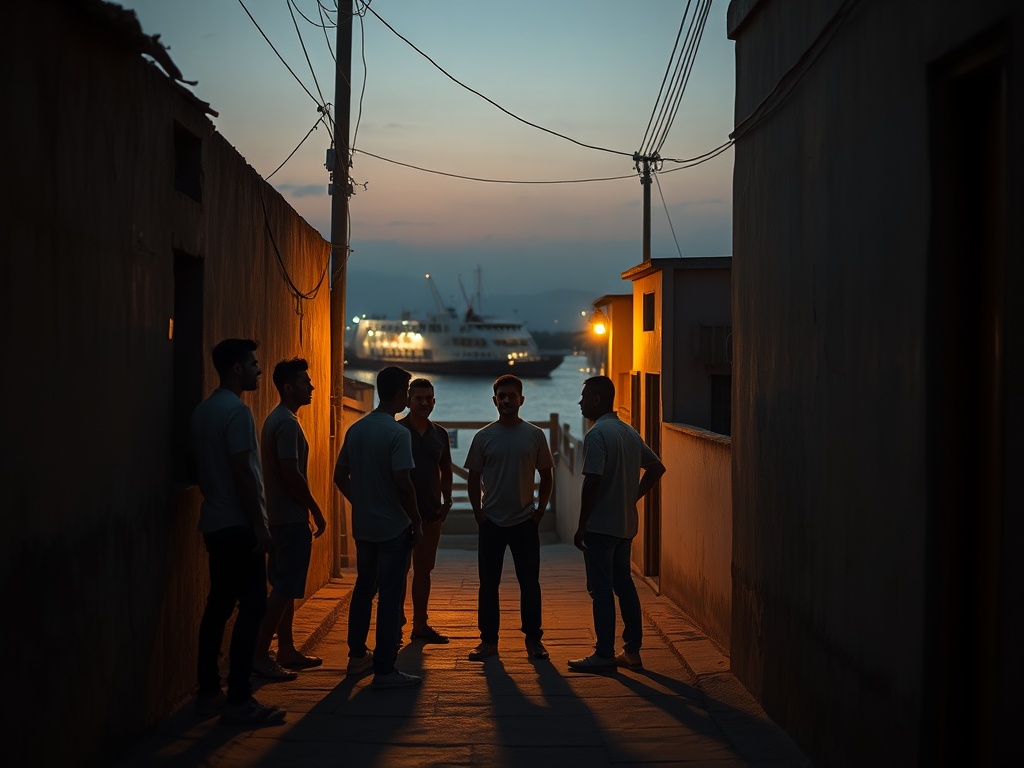
Romanticizing drug lords must stop.
The phrase 'Romanticizing drug lords must stop' isn't just a moral plea; it's a stark reflection of a society grappling with its own identity. In a nation that is 100% Muslim, where religious values are meant to guide daily life, why are some young people, particularly millennial women as the comment notes, drawn to the allure of criminals? This isn't merely about individual choices; it's a symptom of a deeper societal breakdown. When legitimate paths to success seem blocked, when unemployment and a lack of opportunity define a generation, the outlaw can appear as a rebellious, powerful alternative.
Consider the context: a youth population facing a severe job market, a high cost of living fueled by government money printing, and a political landscape rife with corruption scandals. If the people at the top are seen to profit from nepotism and graft—from the MPRC scandal to politically appointed, non-working staff—what message does that send about the rewards of playing by the rules? The romanticization of drug lords is, in part, a distorted mirror held up to a system where power and wealth are often acquired through questionable means.
The comment's crude phrasing about 'millennial women' points to a gendered dimension of this phenomenon. Is this a form of social rebellion against conservative norms, or a desperate search for agency in a society that offers few avenues for economic independence? The housing crisis in Malé, where even subsidized flats are subleased for profit by those living abroad, creates an environment of profound instability. When the basic promise of shelter is politicized, the social contract frays, and anti-social behavior can be glamorized as a form of control.
What are the consequences of this cultural shift? Beyond the immediate moral decay, it fuels the very real drug trade that preys on vulnerable youth. The adverse health effects mentioned in another comment—tinnitus, disorientation, permanent hearing damage—are not just physical; they symbolize the long-term societal harm. This isn't an abstract problem. It directly impacts public health, already strained by medicine shortages and an inadequate healthcare system where many must travel abroad for treatment.
The solution cannot be a simple condemnation. It requires addressing the root causes: creating real economic opportunities so that crime isn't the most visible path to prosperity, restoring faith in governance by tackling the 'inefficient public sector' and electoral bribery, and reinforcing community and religious values through genuine engagement, not just rhetoric. When the state is seen to serve the people, not just the powerful, the appeal of the drug lord will inevitably fade. The question for every Maldivian is this: what kind of society are we building for our children, and what values are we truly championing?