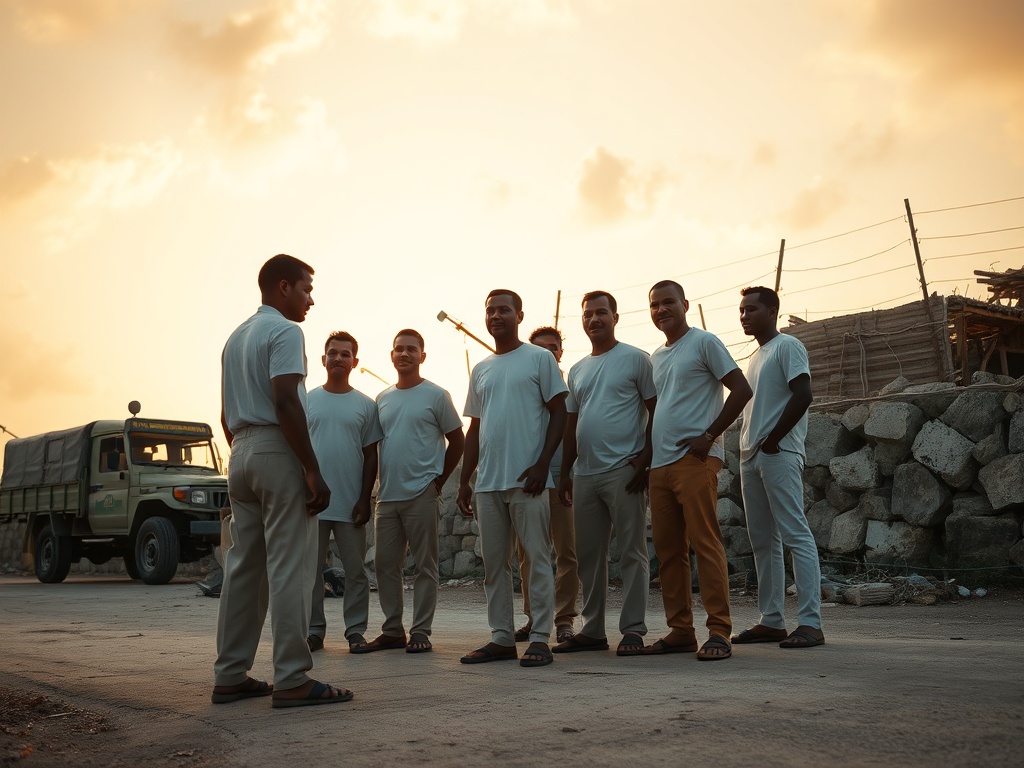
Rumour has it is trying to find a bandaid solution prior to Muizzu's Addu visit.
The whisper network in Malé is buzzing again, this time with claims that the administration is scrambling for a 'bandaid solution' before President Muizzu's scheduled visit to Addu City. This isn't just idle gossip; it reflects a deeper, systemic pattern of governance by public relations. Why does every significant political movement seem to be preceded by a flurry of hastily arranged, highly visible 'solutions' that often fail to address the root causes of our problems?
Consider the context: a nation grappling with a severe housing crisis, where subsidized flats meant for locals are subleased for profit by absentee leaseholders. A healthcare system so inadequate that citizens must travel abroad for treatment, plagued by medicine shortages and insurance abuse. An economy strained by high debt, a soaring cost of living, and foreign currency shortages exacerbated by tourism revenues being parked offshore. Against this backdrop, what does a 'bandaid solution' before a presidential visit actually solve? Does it provide lasting relief to the family in Malé struggling to pay rent, or the youth in Addu facing unemployment and drug use?
The pattern is familiar. A high-profile visit is announced, and suddenly, resources are mobilized, potholes are filled, and new 'initiatives' are launched with great fanfare. But once the motorcade departs and the cameras are gone, the underlying issues remain, often worse than before. This reactive approach drains public funds and erodes trust. It treats governance as a series of performances rather than a sustained commitment to problem-solving. What is the real cost of these political theatrics on our national development and social fabric?
This phenomenon also raises questions about accountability. When the primary objective becomes managing perceptions for a short-term political gain, who is responsible for the long-term consequences? The bloated public sector, filled with political appointees, is ill-equipped to implement lasting reforms. The politicized judiciary and eroding freedoms further insulate decision-makers from genuine oversight. So, what mechanisms do citizens have to demand more than just temporary fixes?
Ultimately, the 'bandaid solution' rumor speaks to a profound disconnect between the government's actions and the people's daily struggles. It suggests a leadership more concerned with spectacle than substance. As President Muizzu prepares for Addu, the real test won't be the photo-ops or speeches, but whether his visit leaves behind anything of enduring value for the communities he meets. Will it be another quick fix, or the start of a sincere, strategic effort to heal the nation's deep-seated wounds?