SAARC Nations Launch Regional Platform to Combat Overfishing and Climate Change
SAARC member states have agreed to establish a dedicated regional platform for marine fisheries management to address the escalating challenges facing the sector. The initiative, integrated into the revitalisation of the SAARC Agriculture Centre, aims to create a coordinated framework for the sustainable management of commercially important fish stocks across the region.
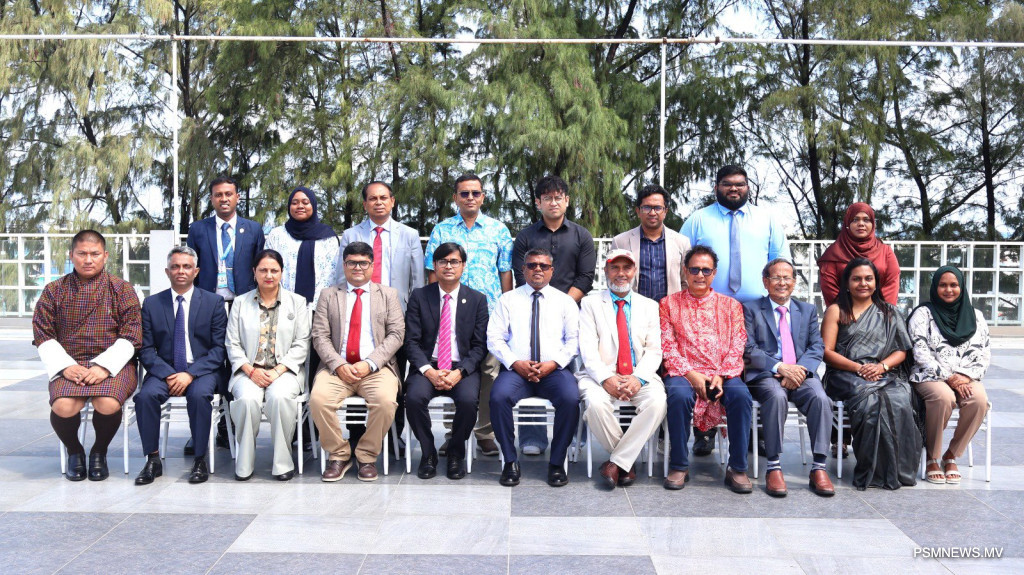
The decision follows a regional consultative meeting held in the Maldives, where delegates focused on creating a unified roadmap to tackle systemic threats. Key priorities for the platform include combating illegal, unreported, and unregulated (IUU) fishing, managing the impacts of climate change, and reversing the degradation of fragile marine ecosystems.
Addressing the gathering, Mohamed Muththalib, Minister of State for Fisheries, Agriculture and Ocean Resources, emphasized that regional collaboration and information sharing are no longer optional but essential. He noted that innovative approaches are required to ensure that marine resources continue to provide food security, sustainable livelihoods, and economic stability for millions across South Asia.
Beyond conservation, the meeting explored economic opportunities to enhance the value of marine fish products and improve market access. A significant portion of the discussions focused on social inclusivity, specifically strategies to increase women's participation within the traditionally male-dominated fisheries sector.
As a concrete outcome of the sessions, member states are now developing country-specific action plans tailored to their most important fish species. These individual strategies will feed into a comprehensive regional report that will outline strategic recommendations and identify shared vulnerabilities.
By transitioning from isolated national policies to a regional management system, SAARC nations hope to prevent the collapse of shared fish stocks and ensure that the blue economy remains a viable pillar of regional development for future generations.