Salt Air and Diesel Fumes on the Ferry to Malé
The ferry cuts through turquoise water, its diesel rumble echoing off the concrete walls of Malé. From the sea, the island looks like a child's block tower rising from the deep—a geometric puzzle of buildings stacked tight against the horizon. Up close, the scent of salt air mixes with exhaust fumes and the sweet smell of mas huni from corner cafés.
Every morning, the same migration happens. Young men gather at the harbor, their eyes scanning the horizon not for fish, but for opportunity. Some will find work on a safari boat, others will join the construction crews building yet another tower. Many will simply wait, their dreams slowly weathering in the sun and salt spray.
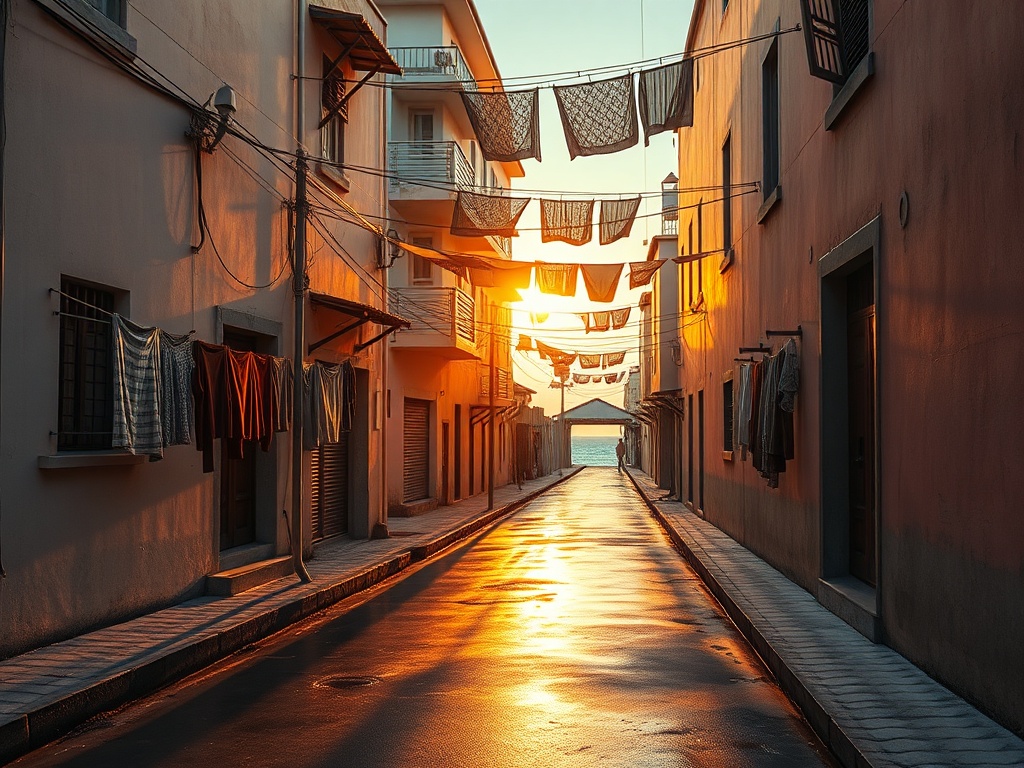
In the narrow streets between buildings, life unfolds in layers. Laundry hangs from lines strung between apartments, colorful fabrics fluttering like prayer flags. Through open windows, you can hear the competing sounds of televisions, children reciting Quran, and the constant hum of generators. Space is measured not in square feet but in breaths—how much air you can claim between concrete walls.
At the local shop, the prices tell another story. The canned tuna from Thailand costs more than a day's wages for some. The man behind the counter shrugs when asked about the rising costs. 'Everything comes from somewhere else,' he says, wiping dust from a shelf. 'Even the fish.'
Yet in the evening, when the sun sets the sea on fire, there are moments that defy the struggle. Families gather on their stoops, sharing stories over sweet tea. The call to prayer rises above the traffic noise, a reminder of something constant in the flux. The lights of the city twinkle like stars fallen to earth, each one representing someone trying to make a life between the coral and the concrete.
This is the Malé that exists beyond the postcards—a place where resilience is woven into the very fabric of daily life, where hope persists like the sea breeze that eventually clears the smog from the air.
— Source fragments: Housing crisis in congested capital Malé, High cost of living, Youth unemployment and lack of opportunities, Heavy import reliance, Tourism money parked abroad