Salt, Stone, and Silence: A Maldivian Heartbreak
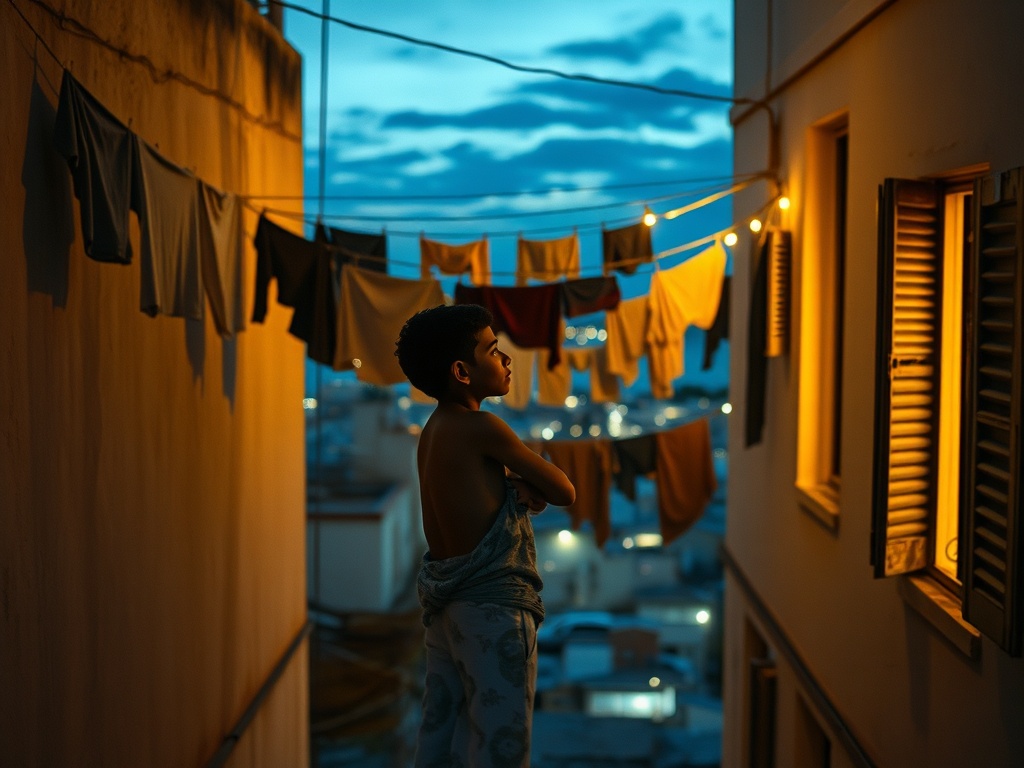
The salt hangs heavy in the evening air over Malé, clinging to laundry lines strung between crowded buildings. Below, the murmur of discontent flows through narrow streets, finding its way onto glowing screens and digital spaces. 'Many Malé citizens have been deprived of their right to housing for years,' one voice declares, while another laments how 'limited Malé land was given away while 30k+ still wait for housing.' The numbers are staggering, but the reality is more intimate—families squeezed into single rooms, dreams of homeownership deferred indefinitely.
The political landscape offers little comfort. 'My vote was still for MDP… because lesser evil and all,' someone confesses, the weariness palpable even through text. 'Done against every fiber of my being. The betrayal was real.' This sentiment echoes across the digital chorus—a nation voting with resignation rather than hope, choosing what feels like the least damaging option in a system that seems designed to disappoint.
Meanwhile, the very identity of the capital shifts beneath our feet. 'Along the way, Malé has lost its identity,' observes another voice, mourning what once was. The comment about 'very-cumming in Malé'—likely referencing the Velana airport development—hints at deeper anxieties about development priorities and who truly benefits from these grand projects. There's a sense that the soul of the city is being paved over, replaced by concrete and political calculations.
At the heart of this unrest lies the Binveriya scheme, a housing initiative that became a political football. One analysis suggests it cost a party 'the 15k+ dhaftharu people,' while political maneuvers 'neutralized the benefits' for others. The scheme represents more than just land distribution—it's become symbolic of promises made and broken, of hope weaponized for political gain.
Through it all, the sea continues its eternal rhythm against the sea wall, indifferent to our human struggles. The breeze still carries the scent of salt and diesel, the call to prayer still marks the hours, but the sense of community, of shared destiny, feels increasingly fragile. We are becoming a people connected by Wi-Fi but disconnected from the land beneath our feet, from the homes we cannot claim, from the political representation that fails to hear our most basic needs. The injustice isn't just about housing—it's about what happens to a society when the fundamental promise of shelter becomes a political commodity.
— Source fragments: Many Malé citizens have been deprived of their right to housing for years; thousands from RTs pay unbearable rent and still have no home; limited Malé land was given away while 30k+ still wait for SH; My vote was still for MDP… because lesser evil and all; Done against every fiber of my being; Along the way, Male' has lost its identity; Binveriya scheme was the only chance mdp had; Because they lost the 15k+ dhaftharu people as a result of the Binveriya scheme