Saving Time in Island Courtrooms
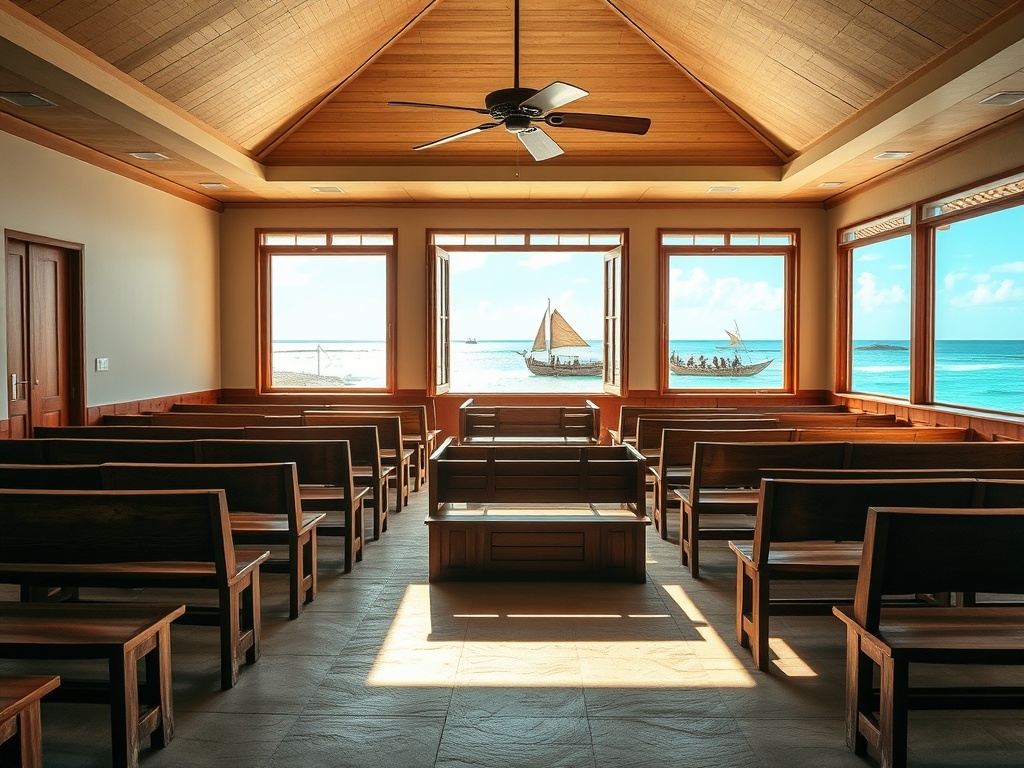
The ceiling fan in the courtroom moves the hot afternoon air in slow, heavy circles. Outside, the sea glitters, but in here, time feels thick and stagnant. Another witness takes the stand to state what everyone already agrees upon—the date, the location, basic facts that could have been settled with a simple conversation before the trial began.
In small island courtrooms where everyone knows everyone, the formalities of law sometimes feel like performing a complicated dance when a simple handshake would do. Legal professionals have begun practicing this informally—proposing to skip testimony for uncontested facts, saving precious court hours that could be spent on actual disputes.
The proposal to formalize 'stipulations of fact' in the Criminal Procedure Code isn't about reinventing legal systems—it's about adapting global practices to our island reality. Judges would still maintain discretion to call witnesses when needed, preserving the integrity of justice while cutting through procedural clutter.
Without a formal framework, we risk inconsistent application. Some judges embrace efficiency; others cling to tradition. Some parties might not fully consider the implications of their agreements. But with proper safeguards, this small intervention could prevent our courts from drowning in unnecessary evidence.
In a nation where time moves with the tides and cases backlog like monsoon clouds, such practical solutions feel like opening a window in that stuffy courtroom. The sea breeze of efficiency could clear the air, letting justice flow more smoothly through our scattered islands.
— Source fragments: In the next review of the Criminal Procedure Code, perhaps we could consider introducing a framework for the parties to agree on certain facts at the outset thereby allowing the judge to set aside unnecessary evidence submitted to prove those facts. To save time.