Scarlet Macaws and Horses: The Unwanted Guests in Paradise
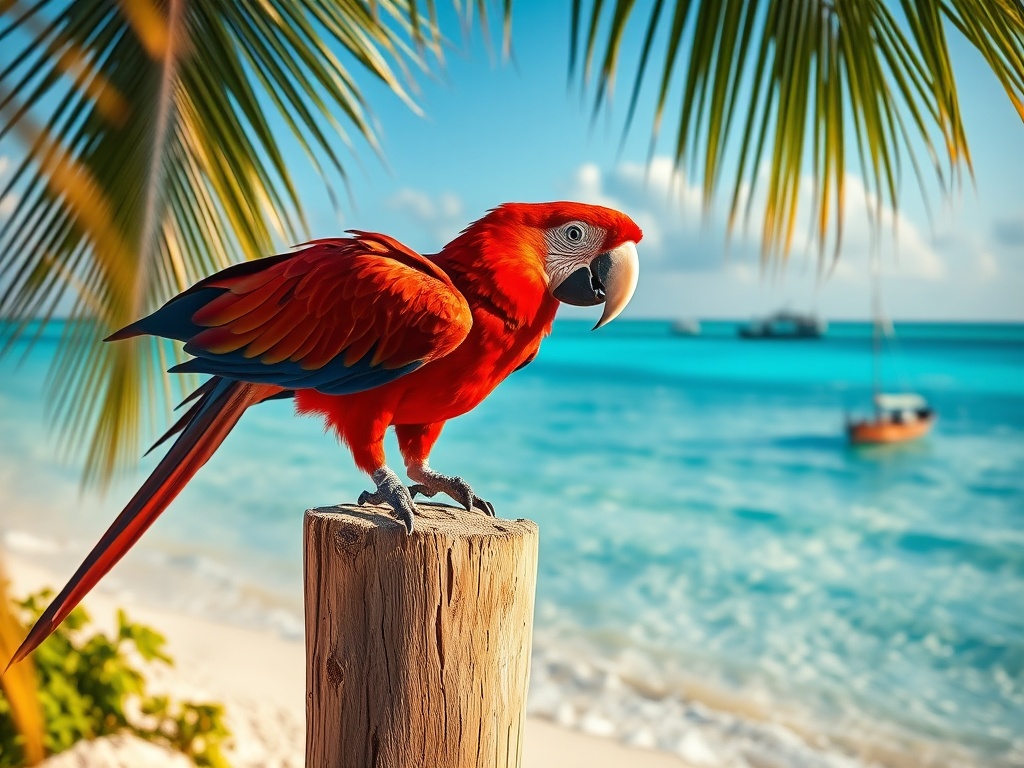
The image is postcard-perfect: a majestic horse galloping along a pristine beach, a vibrant scarlet macaw perched against turquoise waters. These are the Instagram moments that sell the Maldivian dream. But beneath the curated beauty lies an uncomfortable reality—one where tourism economics collide with ecological responsibility.
Across the archipelago, resorts increasingly feature exotic animals as attractions. Horses for beach rides, large birds for photo opportunities, marine mammals for entertainment. The logic is simple: these experiences command premium prices. Yet the ethical calculus is far more complex.
Horses, creatures evolved for vast grasslands and temperate climates, now find themselves confined to small islands with limited space and intense tropical conditions. Their presence represents more than just an animal welfare concern—it's a fundamental mismatch between creature and environment. Similarly, large birds like macaws, meant to fly across forest canopies, spend their days chained or caged, their wings clipped for tourist convenience.
This practice raises deeper questions about our relationship with the natural world. The Maldives' unique ecosystem, already vulnerable to climate change and human impact, now faces additional pressure from introduced species. While responsible pet ownership of local strays or properly maintained aquariums might coexist with island life, the scale and nature of these commercial animal operations present different challenges entirely.
The tourism industry's defense often centers on economic necessity—these attractions generate revenue and create jobs. But at what cost? When animal welfare becomes secondary to profit margins, we risk normalizing practices that would be questioned elsewhere. The quiet suffering of these creatures becomes the hidden price of luxury experiences.
This isn't merely about animal rights; it's about the soul of Maldivian tourism. The islands' true appeal has always been their natural beauty—the coral reefs, the marine life, the unique island ecosystems. Introducing foreign species for entertainment risks diluting this authentic appeal while creating new ethical dilemmas.
As visitors become more conscious of sustainable travel, the industry faces a choice: continue with practices that prioritize spectacle over substance, or evolve toward more ethical, environmentally harmonious approaches. The future of Maldivian tourism may depend on recognizing that some boundaries shouldn't be crossed, even for profit.
— Source fragments: Scarlet Macaw or Horses in our country. Tourism making money at the expense of animals. Horses don't live in islands. Birds are not meant to be caged up and chained. These are not pets.