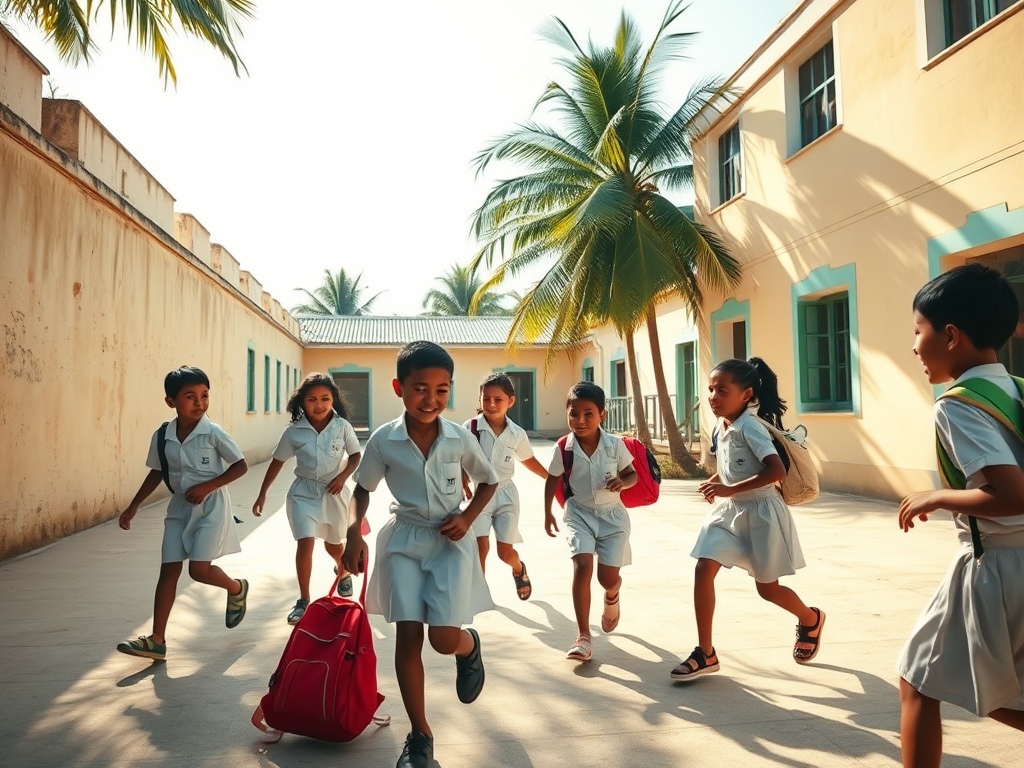
School Uniforms Still Smelling of Saltwater
There's a particular quality to Maldivian childhood memories that feels increasingly precious as the years accumulate—the scent of saltwater on school uniforms, the shared laughter during lunch breaks, the uncomplicated joy of primary school days when the world was measured in friendships and adventures rather than political affiliations or economic anxieties.
Today, as our nation navigates complex challenges—from the high cost of living to debates about national direction—the simplicity of those early years stands in stark contrast. Childhood represented a time when identity wasn't forged in political camps or economic calculations. The classroom was a neutral territory where what mattered was mastering multiplication tables, not navigating the intricate webs of political patronage that would later define adult life.
In those primary school corridors, we were simply children. We didn't know about foreign currency shortages or the politics of housing allocations. We weren't aware of the debates about expatriate labor or the complexities of tourism revenue flows. Our concerns were immediate and pure: mastering the cursive alphabet, sharing snacks during break time, racing to finish assignments before the bell rang.
This nostalgia for simpler times speaks to something deeper in our collective consciousness—a longing for authenticity in an era of manufactured political narratives, for genuine connection in a landscape increasingly divided along partisan lines. The classroom represented a rare space where merit mattered more than connections, where achievement was measured by effort rather than political alignment.
As adults now navigating a society grappling with governance challenges and economic pressures, we look back at those school years not as escape but as reminder. They remind us of values that transcend political cycles—the importance of community, the dignity of honest work, the fundamental human need for spaces where identity isn't transactional.
The wish to return to age ten isn't merely about recapturing youth; it's about reclaiming a perspective that sees people as people rather than political assets, that values time for its experiences rather than its economic potential. It's about remembering that before we became voters, taxpayers, or political constituents, we were simply children sharing stories and dreams in sun-drenched classrooms, unaware of the complex nation we would inherit.
In this reflection lies perhaps our greatest strength—the memory of what we were before politics and economics defined us, and the quiet hope that those core values might still inform the nation we're building today.
— Source fragments: I wish I was 10. Always loved my school Primary days