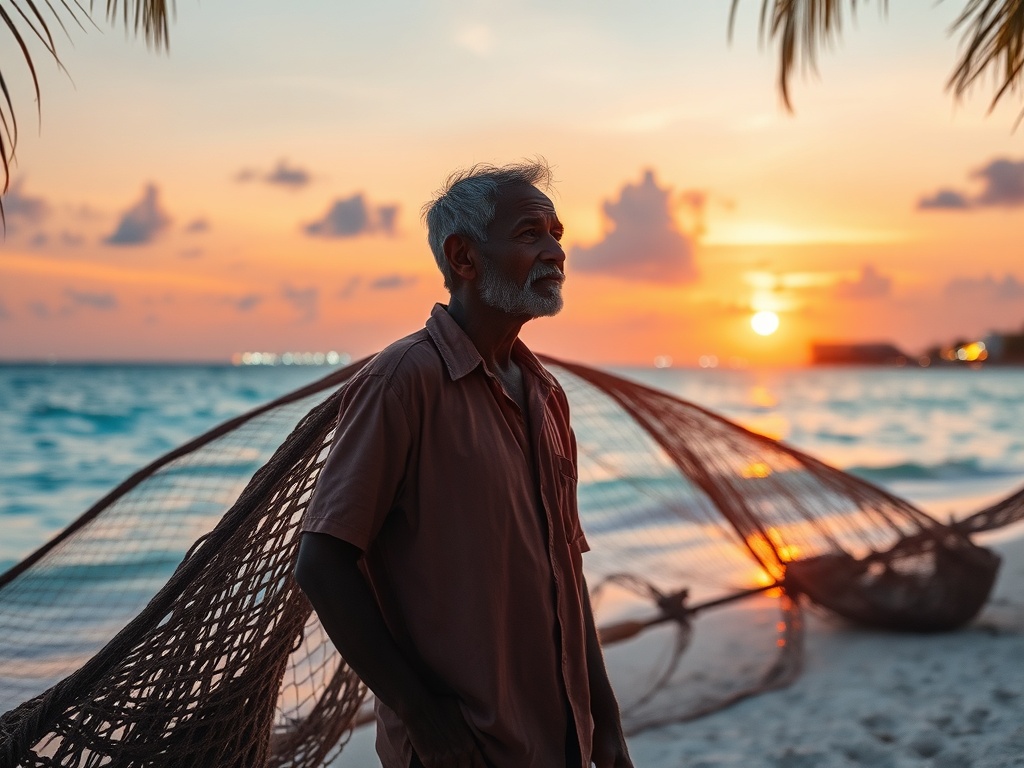
Seeking Dignity in a Divided Sea
The logic of the sea should be simple. If sharks must be fished, why not the plentiful ones? Why choose the endangered when others would fetch better value? This question hangs in the salt-heavy air, another economic puzzle that makes no sense to those who understand the ocean's rhythms. It's the same confusion that ripples through conversations about resort policies and currency exchange—why do Maldivian workers suffer when solutions seem obvious?
Across the islands, another division cuts deep: the geography of opportunity. Every Maldivian, regardless of which atoll they were born on, should have equal claim to land and housing where they live and work. Yet we maintain invisible borders within our own nation, creating hierarchies based on birth islands rather than shared citizenship. The young speak of futures narrowing, of raising children in a system that seems designed to perpetuate the very class divisions we claim to reject.
There's a weariness in these conversations, a recognition that we're avoiding hard truths. We speak in statistics about Maafushi's conditions, in whispers about predictive policing technologies, in frustrated questions about why policies consistently work against local interests. The ocean that connects us also reveals our contradictions—how we can be surrounded by wealth generated from tourism yet feel the pinch of currency shortages and rising costs.
The real question isn't about any single policy or political figure. It's about what kind of nation we're building for the children who will inherit these islands. Will they face the same injustices we debate today? Will they wonder why we saw problems clearly yet failed to act? The coral reefs teach us about resilience and interdependence, lessons we seem to forget on land. As the tide changes, so must our willingness to confront uncomfortable realities, to ensure that the Maldivian dream doesn't become a privilege reserved for a fortunate few, but a promise kept for all who call these islands home.
— Source fragments: If they must allow shark fisheries why not hammerhead shark or some other shark which is not endangered and which can fetch more value? This makes no economic sense; Every Maldivian irrespective of their birth island must have equal opportunity to receive land/housing units in the island they live; RT Gen Zs have no future. They will suffer when they have to raise kids; even in the forced usd policy it's the maldivian workers suffering because they're being paid in ruffiya now instead of dollars; Otherwise our children & their children will face similar fate as we do