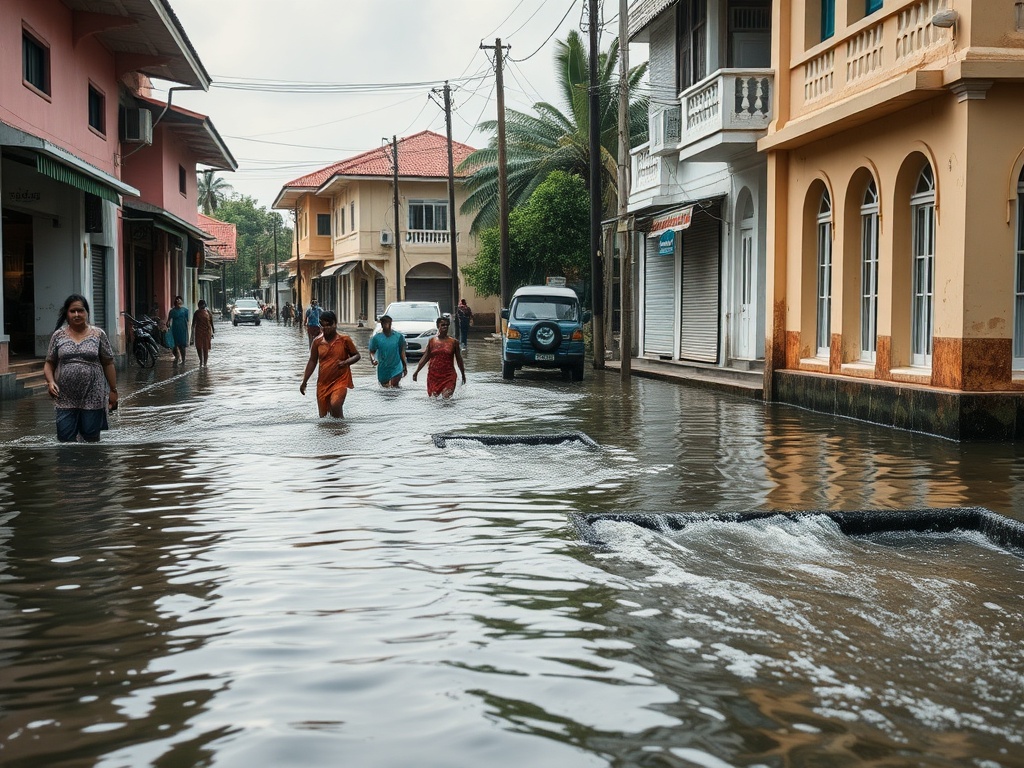
Seventy Years Later, Malé Still Wades Where RAF Engineers Drained
When the Royal Air Force established its base on Gan in the 1950s, they engineered solutions to problems that still plague our capital today. Their storm drainage systems, designed for a remote atoll outpost, functioned with an efficiency that modern Malé can only envy during the seasonal rains that regularly flood our streets.
This irony speaks to a larger pattern in Maldivian development. We have built luxury resorts with world-class infrastructure while our capital city, home to nearly a third of our population, struggles with basic urban planning. The contrast between what foreign engineers achieved seventy years ago and what we struggle to maintain today is stark.
Malé's geography presents genuine challenges. Built on reclaimed land, densely populated, and facing rising sea levels, the city requires sophisticated engineering solutions. Yet the fundamental technology for effective drainage has existed for generations. The question isn't about capability but about priority and execution.
Across our islands, we see similar disparities. Resort islands receive continuous infrastructure investment while local communities make do with aging systems. The seasonal flooding in Malé becomes more than an inconvenience; it's a symptom of deeper governance issues—the gap between political promises and practical delivery, between ambitious national projects and neighborhood-level needs.
The conversation around infrastructure has evolved from technical discussions to broader questions about resource allocation and urban planning philosophy. Some argue we're building for prestige rather than practicality, investing in showcase projects while neglecting the systems that affect daily life.
As climate change intensifies rainfall patterns, the stakes grow higher. What was once seasonal nuisance flooding now threatens businesses, homes, and public health. The solutions require not just engineering expertise but political will and consistent maintenance—the unglamorous work of urban governance.
The memory of what was achieved decades ago with limited resources serves as both inspiration and indictment. It reminds us that functional infrastructure is possible, even in challenging environments. The real test is whether we can apply that same problem-solving spirit to our contemporary challenges, building systems that serve all residents, not just select projects.
Our future depends on bridging this gap between past achievements and present needs, between technical possibility and political reality.
— Source fragments: RAF @ S.Gan figured it out 70 years ago but i guess we can't have a storm drainage system of that level in male'