Shadows in Malé: Where Dreams Lean Against Reality
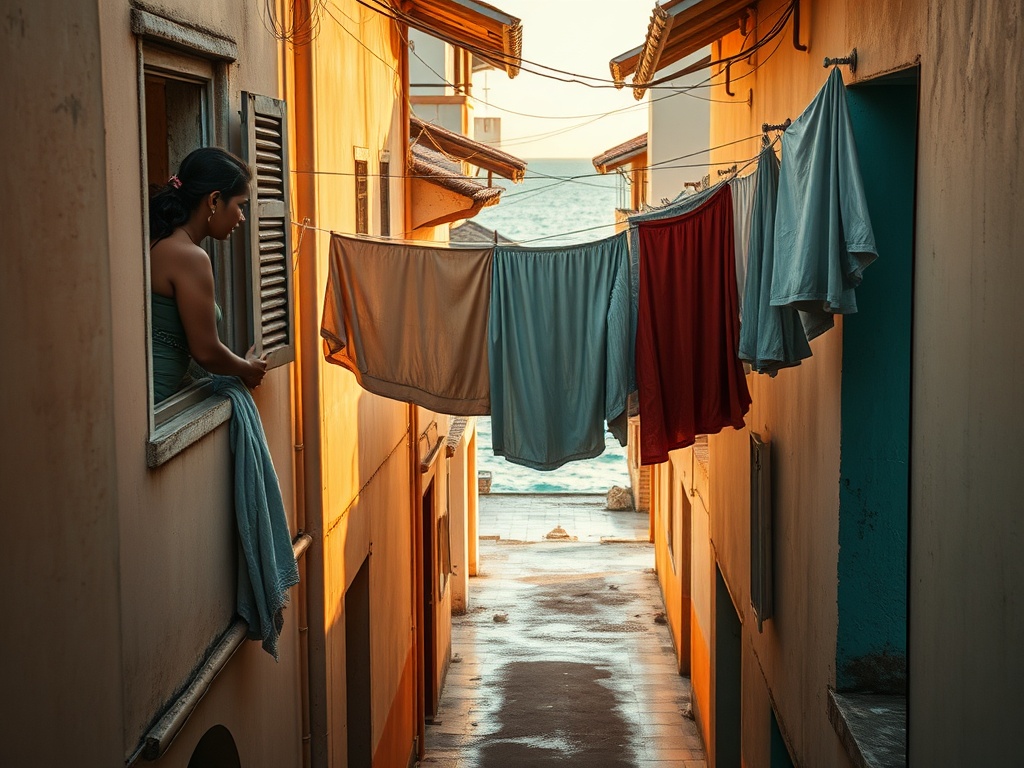
The afternoon sun beats down on the narrow streets of Malé, casting sharp shadows between buildings that seem to lean toward each other, sharing secrets in the cramped space. From my window, I watch the city breathe—the constant hum of scooters, the distant call to prayer, the scent of salt and exhaust mingling in the thick air.
We live stacked upon each other, our lives layered like the floors of these concrete buildings. Every morning begins with the same ritual: squeezing past neighbors in stairwells, navigating the same crowded routes to work or school, the same hopeful faces searching for something more. There's a particular heaviness that settles in your chest when you've been waiting too long—for a job that matches your education, for a home that isn't borrowed or temporary, for a future that feels like your own.
Sometimes I stand by the sea wall at dusk, watching the tourist seaplanes descend toward the outer atolls. They carry visitors to places we locals rarely see—resorts with names we can't afford to speak. The irony isn't lost on us: living in paradise while dreaming of escape. The water stretches to the horizon, endless and free, while we measure our lives in square feet and monthly rents.
Yet in this compression, we find unexpected connections. The shopkeeper who remembers your usual order, the neighbor who waters your plants when you're away, the unspoken understanding in a shared glance during power outages. These small anchors tether us to this rock we call home.
What does it mean to build a life here? To plant roots in concrete? We're all architects of our own survival, drafting blueprints in our minds of houses we may never build, careers we may never have, freedoms we may never taste. But we keep drawing them anyway, because the act of imagining something better is itself a form of hope.
The real currency here isn't rufiyaa or dollars—it's patience. The quiet endurance of people who wake each morning and try again. Who look at the same four walls and still see possibility. Who understand that sometimes, the most revolutionary act is simply continuing to believe that tomorrow might be different.
— Source fragments: Housing crisis in congested capital Malé, youth unemployment and lack of opportunities, high cost of living