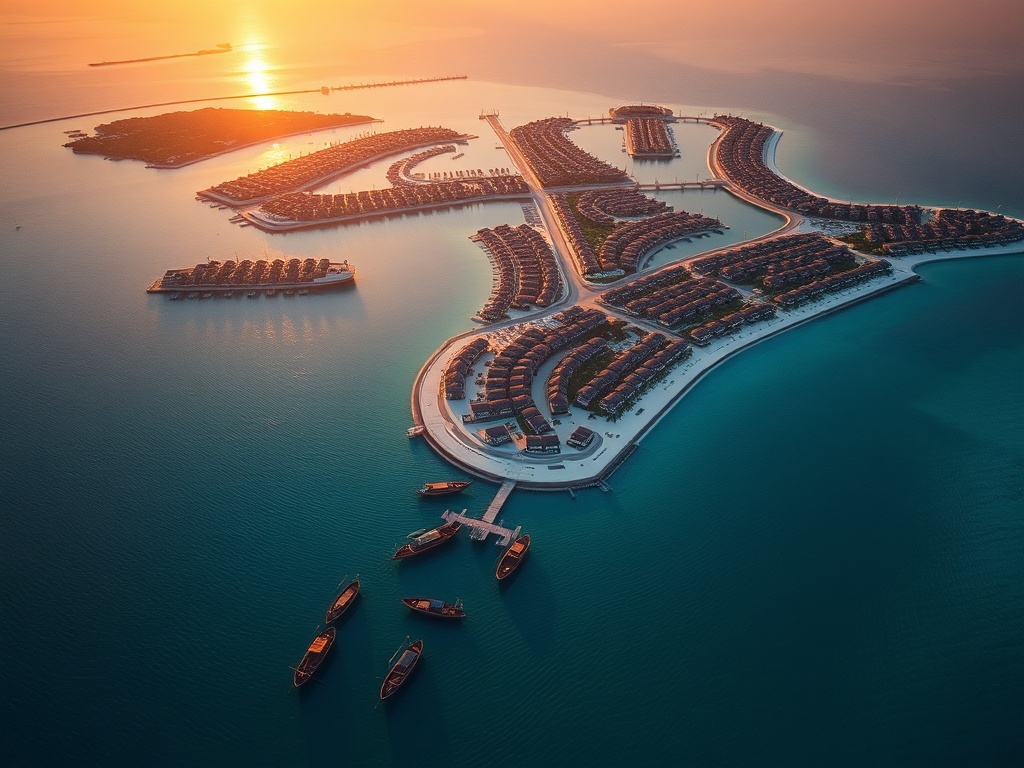
Shadows on the Shore: How Our Land Policies Are Dividing a Nation
The afternoon sun casts long shadows across the narrow streets of Malé, where conversations about land and legacy simmer beneath the surface of daily life. In coffee shops and on ferries, you can hear the quiet tension in voices discussing what it means to belong somewhere—truly belong.
Somewhere in Hulhumalé, plots meant for housing dreams are being sold online, the digital marketplace becoming an unexpected arena for the redistribution of opportunity. The original intent—to provide homes—gets lost in translation, replaced by the familiar rhythm of privilege finding its way. It's the same story told in different keys: those who have, get more; those who wait, watch opportunities slip through their fingers like sand.
Meanwhile, the debate continues about who Malé truly belongs to. Is it just another island, or has it become something more—a capital that should embrace all who call it home? The question hangs in the salt-tinged air, unanswered. Those born here, who know no other home than these crowded streets between sea walls, find themselves having to justify their place in the only world they've ever known.
What emerges is the uncomfortable truth that we're building invisible walls even as we construct new land. The policies meant to solve housing crises are instead creating new hierarchies—determining which class our children will inherit based on paperwork and political favor rather than need or belonging.
The real tragedy isn't just the immediate imbalance, but the generational echo it creates. We're not just allocating land; we're designing the future social fabric of these islands. Each decision about who gets what space becomes a stone in the foundation of tomorrow's society—and some stones are being placed in ways that will make the structure uneven for decades to come.
As the light fades over the Indian Ocean, one can't help but wonder if we're missing the larger question: not just who gets the land, but what kind of community we're building with it.
— Source fragments: Some of those who got land from Hulhumalé Phase 2 — are now selling those plots on ibay. That's not what the housing program was meant for; I'm not saying the word itself is offensive. I meant it reinforces a class hierarchy; Male' Free goathi distribution to selected families and individuals will create an imbalance in Maldivian society within next few decades; What Ibra refuses to believe is that Malé is no longer another island with 500 people. Malé is the capital that belongs to everyone