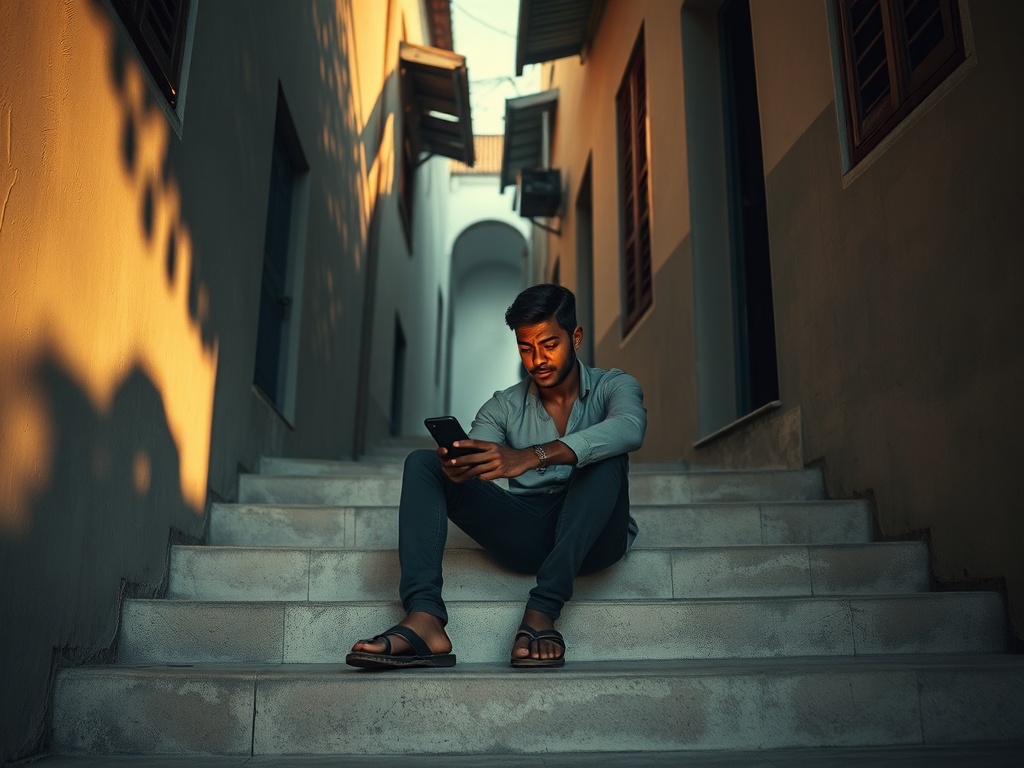
She makes me tweet all those things.
When a political operative admits, 'She makes me tweet all those things,' it exposes more than just one person's dilemma. It reveals a system where public opinion is manufactured, where genuine voices are replaced by orchestrated messages. Who is this 'she' pulling the strings? And why do we accept these manufactured narratives as authentic public sentiment?
In Maldives' highly polarized political landscape, social media has become the primary battlefield. Political parties invest heavily in digital armies that amplify specific messages while drowning out dissent. The confession suggests these aren't just enthusiastic supporters—they're directed actors following scripts written by unseen handlers. This raises troubling questions about how many 'organic' political discussions are actually carefully staged performances.
The consequences extend beyond mere political games. When public discourse becomes manufactured, citizens lose trust in the very platforms meant to facilitate democratic conversation. People start questioning whether the anger they see online is real or manufactured, whether the support for policies reflects genuine public opinion or well-funded campaigns. This erosion of trust makes meaningful political dialogue nearly impossible.
Consider the practical implications for Maldivian voters. If we can't trust what we read from supposed 'ordinary citizens,' how do we make informed decisions? The problem becomes particularly acute in a small society like Maldives, where personal connections and social pressure already influence political expression. Adding organized manipulation to this mix creates a perfect storm for democratic decay.
There's also the human cost to the operatives themselves. Being forced to spread messages you don't believe in takes a psychological toll. It creates a generation of political workers who see politics not as public service but as performance art. What does this do to our political culture when even the participants don't believe in what they're saying?
The solution might lie in greater transparency about political messaging. Should political parties be required to disclose when content is promoted by paid operatives? Can social media platforms develop better systems to distinguish organic discussion from organized campaigns? And most importantly, how do we as citizens become more critical consumers of the information flooding our feeds every day?
This single confession opens a window into the machinery of modern Maldivian politics. It shows us that the voices we hear might not be speaking their own minds, and the trends we see might be carefully engineered rather than naturally emerging. Recognizing this reality is the first step toward reclaiming authentic public discourse in our island nation.