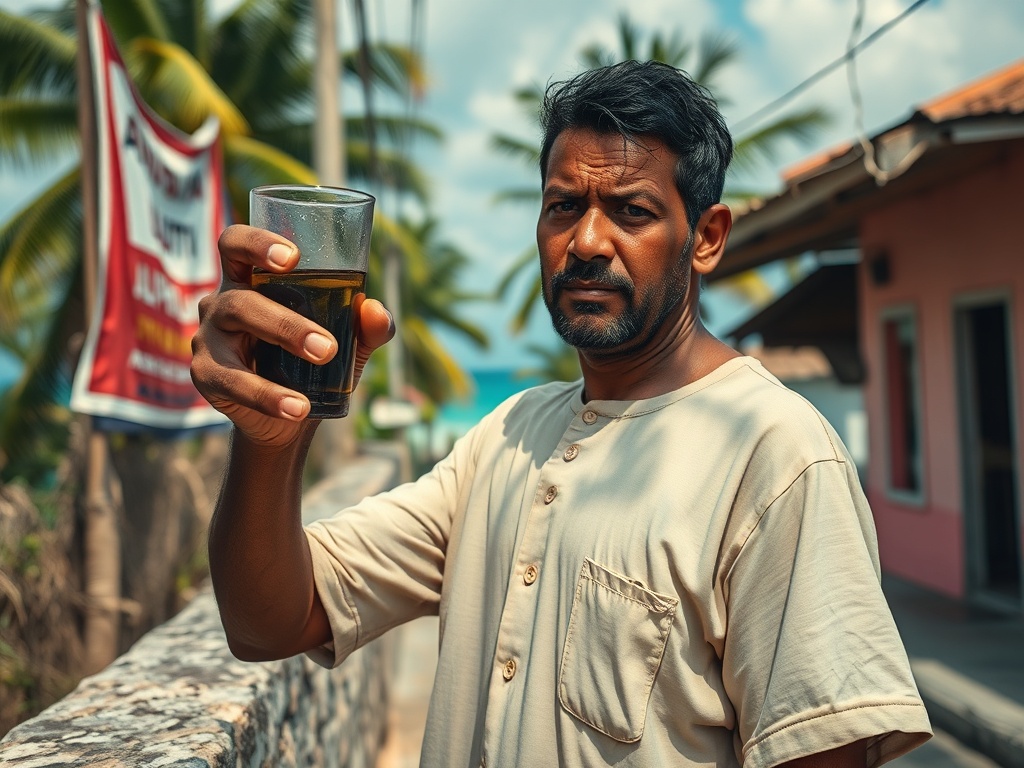
Six Days Without Safe Water in Fuvahmulah
On the sixth day without safe drinking water, the people of Fuvahmulah face a stark reality that transcends mere infrastructure failure. The contamination of their water supply, described by residents as potentially causing organ damage, has become a symbol of deeper systemic issues plaguing the Maldives. While political rallies command millions in funding and public attention, the nation's largest island struggles with a basic necessity that should be guaranteed to every citizen.
The water crisis in Fuvahmulah represents more than just a utility failure—it's a brutal summary of governmental priorities in a nation grappling with multiple crises. As small businesses struggle to survive amidst dollar fluctuations and suffocating taxes, and citizens navigate increasingly complex healthcare access through Aasandha, the inability to provide clean water speaks volumes about where public resources and attention are being directed.
Fenaka Corporation's response, described by critics as a quick fix implemented primarily to divert attention from political events, raises serious questions about crisis management and transparency. The call for independent testing of the water supply underscores a growing public distrust in official assurances and institutional accountability.
This situation mirrors broader national challenges: the tension between political spectacle and public welfare, the gap between infrastructure investment and actual service delivery, and the erosion of trust in institutions meant to serve citizens. While rallies fade and political noise subsides, the fundamental need for clean water remains unaddressed, leaving residents to wonder when their basic dignity will outweigh political considerations.
The Fuvahmulah water crisis has become a rallying point for broader discontent, symbolizing how economic pressures, healthcare access difficulties, and governance failures converge in the daily lives of Maldivians. As one resident's plea echoes—"We need water"—the question remains whether this cry will be heard above the political clamor that increasingly defines the nation's public discourse.
— Source fragments: Fuvahmulah water contamination, unsafe drinking water, political rally distraction, call for independent testing, small business struggles, economic pressures, healthcare access issues