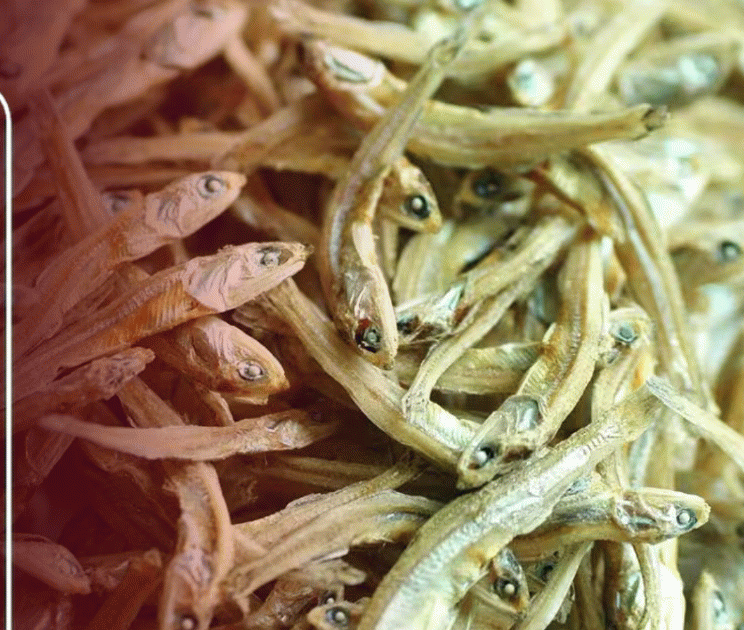
Sri Lanka Cuts Duty on Imported Dried Fish, Including from Maldives
Sri Lanka has reduced the Special Commodity Levy on dried fish imported into the country, including from the Maldives, as well as on dried chillies and dried turmeric.
In Sri Lanka's 2027 budget, the tax or levy charged per kilogram of dried fish and dried chillies has been reduced to 10 rupees, and the levy charged per kilogram of dried turmeric has been reduced to 50 rupees.
However, Sri Lankan importers said that due to the ongoing unrest in Iran, it has become difficult to bring dried fish from that country, and that it would take approximately one week to bring new stock from the Maldives.
Pettah wholesale traders and importers said that although these concessions were given in the budget, the public would not benefit from them and that it would take weeks.
According to those parties, due to the unrest in Iran, importing dried chillies from that country has also become difficult, and they have now set their sights on bringing chillies from Thailand. Those parties said that the chilli harvest season in Thailand is about a week away, and that it would take approximately 20 days to bring those items to Sri Lanka. In addition, importers noted that Sri Lanka's own chilli production has also declined during this period.
At the same time, importers said that with approximately 120 containers of dried turmeric imported from India facing a moisture-related issue and being held at the port for weeks, turmeric imports have also faced a major obstacle. In connection with this matter, Pettah traders have held back from importing turmeric, while Indian exporters have also reportedly instructed their members not to export dried turmeric to Sri Lanka, importers said.
In addition, the new budget has increased the levy charged per kilogram of imported sugar from 10 rupees. According to importers, while it costs 260 rupees to import a kilogram of sugar, it is currently being sold in the market at 230 rupees per kilogram, resulting in a loss of 30 rupees per kilogram at present. And with the change brought to the levy, the loss per kilogram of sugar will increase by a further 10 rupees, those parties said.