Step-Wells, Bones, and Royal Decrees: How Maldivians Are Reclaiming Their History Online
In the quiet hours, a digital tapestry is being woven. It is not found in official archives or state-sanctioned textbooks, but in the scattered, earnest posts of ordinary people. Across platforms, threads emerge: a black-and-white photograph of a step-well in 1920s Malé, square and profound; a whispered legend about an islet in Addu where bones and trinkets surface from the soil; a family portrait from RAF Gan, a moment of cross-cultural calm in the early 1970s. These are not mere anecdotes. They are the vital, breathing counter-narrative to a history that has often felt centralized, politicized, or simply lost.
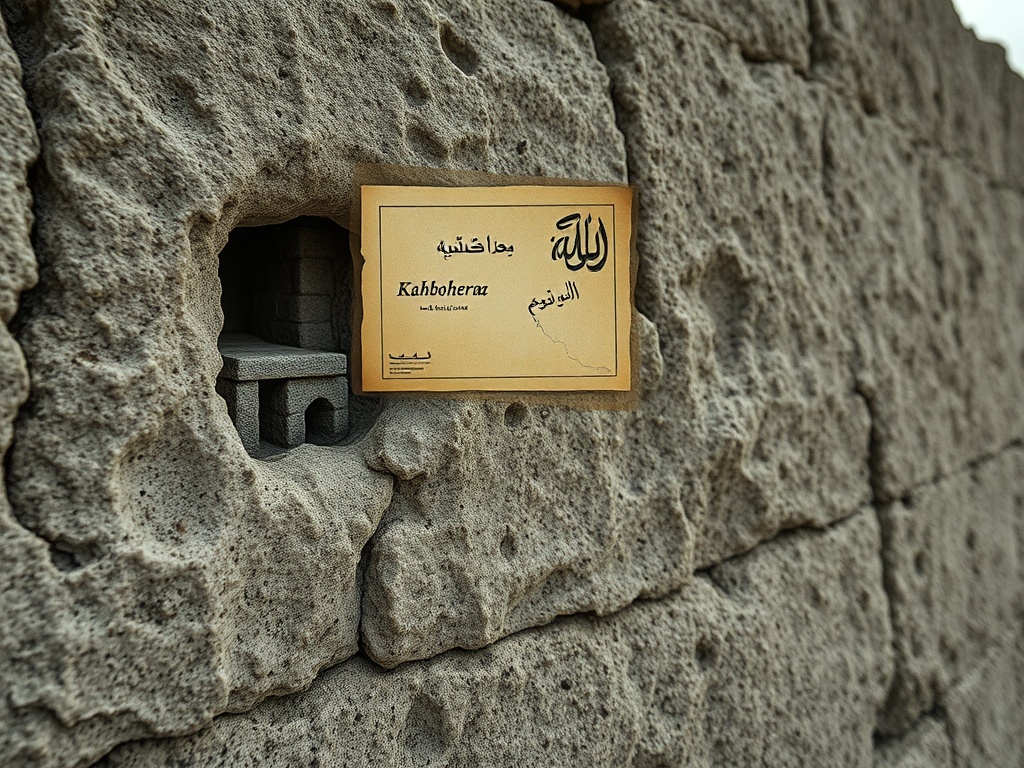
The drive is palpable. There is a frustration with the gaps. Why was a place like "Kahbohera" not formally studied? What patterns connect the tombstone of a 15th-century Sultan in Malacca to those in royal cemeteries? The questions are specific, but the theme is universal: a desire for continuity. When someone meticulously maps the old Sakkarangnaa gate onto a modern street view, they are performing an act of reclamation. They are insisting that the Malé of today is built upon the Malé of yesterday, stone by stone, story by story.
This digital curation is, in itself, a form of historiography. It challenges the monolithic narrative. One fragment references the forceful Latinization of the Friday sermon under President Nasir—a stark, logistical feat of cultural engineering. Another points to the complex, practical diplomacy of early Muslim communities in a multi-faith society. These are not dry facts; they are insights into the mechanisms of power, faith, and survival that have shaped the national character.
Beneath the surface of these historical fragments lies a deeper, more urgent reflection on the present. The act of digging into the past—questioning the provenance of a jewel, the motive behind a royal decree, the design of a fort—mirrors a contemporary scrutiny of authority. In an era where governance is often perceived as opaque, where political legacy is fiercely contested, and where economic pressures mount, turning to history becomes a way to seek patterns, understand roots, and assert identity.
The collective effort represents a grassroots intellectual movement. It is a declaration that history belongs not only to the rulers but to the people who lived through its tides—the children posing with visitors, the officer witnessing a tsunami, the generations who adapted to decrees. In piecing together these fragments, Maldivians are not just recalling a past; they are actively constructing a more nuanced, resilient, and self-determined story for their future.
— Source fragments: H.C.P. Bell's 1922 observation of Maaveyo step-well; legends of human bones/jewelry on Addu's Kahbohera island; a 1970s family photo at RAF Gan; discussion on the etymology of 'Koattey' and a Portuguese fort; a historical view of Sakkarangnaa gate in Malé; a note on President Nasir's Latinization of the Friday sermon; a query about Sultan Rasgefaanu destroying idols; analysis of historical patterns from 1846 applied to 2026; observations on the tombstone of Sultan Mansur Syah of Malacca.