Subsidized Flats Become Tokens in a Political Game
The Maldivian political landscape is a theater of managed discontent. The electorate, weary and pragmatic, is trapped in a cyclical calculus of choosing the 'lesser evil' every five years. This pattern, from 2018 to 2023, now casts a long shadow toward 2028, threatening to become a self-fulfilling prophecy of perpetual compromise. The sentiment is one of resigned selection, a damning indictment of a system that fails to produce leaders who inspire rather than merely repel slightly less than their opponents.
Beneath the electoral churn lies a deeper reality: the wholesale instrumentalization of the state apparatus. Every sitting government engages in systematic pressure on public sector employees to pledge allegiance to the ruling party. This transforms civil service from a pillar of governance into an extension of partisan machinery, eroding institutional integrity and creating a workforce loyal to a party, not to the public good.
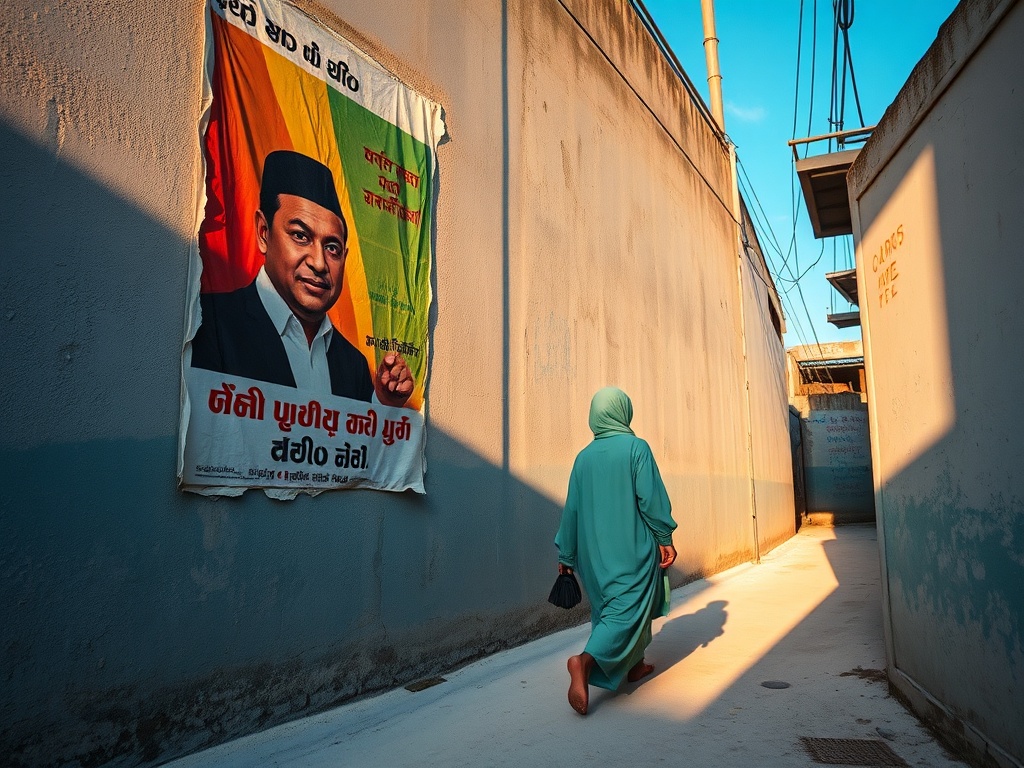
Patronage extends into urban life and economic opportunity. Housing, a critical crisis in the congested capital, is politicized, with subsidized flats becoming tokens in a political game, often sublet for profit by absentee leaseholders. The principle that a resident of Maafushi should be able to vote in Maafushi underscores how basic democratic fairness is contested. Meanwhile, the omnipresent candidate faces and canvases blurring local races with national figures create a visual pollution that mirrors the political saturation.
The financial underpinnings are equally problematic. Calls for the state to cease funding political parties and for mandatory transparency in donations point to a desire to break the cycle of state-backed partisan entrenchment. When parties are funded by the treasury they aim to control, the incentive for genuine public service diminishes, replaced by the imperative of perpetual incumbency.
Yet, a stubborn ember of belief persists. A significant segment continues to desire good governance and meaningful change, evidenced by the repeated turnover of governments despite rampant patronage. This cyclical rejection is not a sign of a healthy democracy but of a consistently disappointed one. The fear is palpable: if the engaged disengage, the entrenched will cement their win. With less than two years to the next major electoral test, the search is on for an alternative that transcends the lesser-evil paradigm. The question haunting the archipelago is whether such an alternative can emerge before the carousel spins again, delivering yet another leader chosen not for their promise, but for their perceived lack of threat.
— Source fragments: User voices discussing: Voting for the 'lesser evil' in 2018, 2023, and potentially 2028; pressure on government employees to join ruling parties; politicization of housing and local elections; calls for ending state funding of parties and for transparency; the persistent public desire for good governance despite systemic 'tharaggee'; fears of voter apathy allowing bad actors to win; the visual saturation of campaign imagery; and the tactical calculations about future elections and alliances.