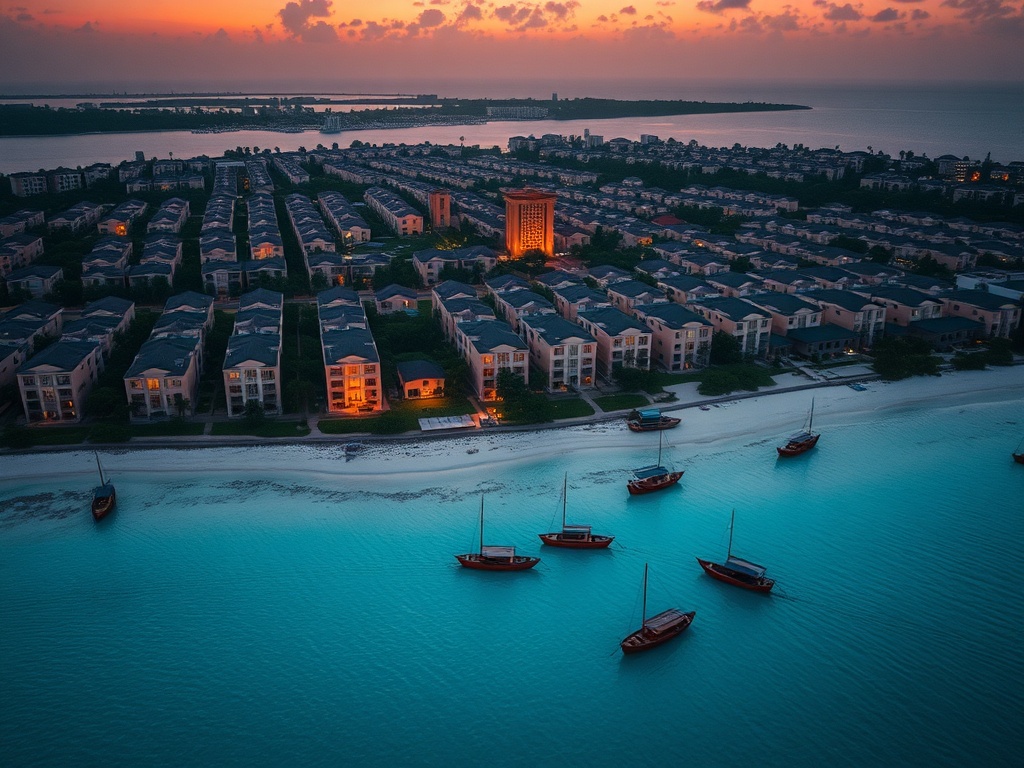
The 800 Square Foot Question That Isn't About Square Feet
When a citizen asks about the price of a 700-800 square foot apartment in Hulhumalé, they're not just seeking a number. They're probing the very architecture of Maldives' housing crisis—a complex web of policy, economics, and social expectation that has left thousands navigating uncertain shelter futures.
The question itself reveals the core tension: government-led development versus private market solutions. The Housing Development Corporation's ongoing work to relocate vessels from Phase 3 reclamation areas represents the mechanical side of urban planning. But the human side—what people can actually afford—remains the more challenging equation.
This isn't merely a housing crisis; it's a crisis of affordability, expectation, and policy alignment. As one longtime housing advocate notes, their position on free land policy and social housing has remained consistent since 2017—highlighting how this debate has stretched across political cycles without resolution.
The comparison to Singapore's housing model raises fundamental questions about approach. Singapore transformed its housing landscape through integrated public planning, while Maldives grapples with whether its challenges stem from insufficient supply, unaffordable rents, or political promises that outpace delivery capacity.
Policy synchronization emerges as the critical missing piece. Efforts to address housing must align across government agencies, market realities, and social needs. One proposed mechanism—rent declaration systems through MIRA with reimbursement structures—suggests the kind of innovative thinking needed to bridge gaps between tenants, landlords, and public policy.
The biggest challenges in delivering social housing projects extend beyond construction. They include land allocation, financing models, preventing the subleasing and profiteering that has plagued previous initiatives, and creating sustainable communities rather than just buildings.
As the discussion references international models from China to Singapore, it becomes clear that solutions must be locally adapted. What works in city-states with different economic structures and governance systems may not translate directly to Maldives' unique island geography and development context.
The housing conversation ultimately circles back to fundamental questions: Are we building the right types of housing in the right locations? Are subsidy models reaching those who need them most? And how do we create a system where shelter becomes a stable foundation for family life rather than a source of constant financial stress?
In Maldives' congested capital region, where every square foot carries economic and social weight, the answers will define not just urban landscapes but the quality of life for generations to come.
— Source fragments: HDC lagoon allocation for vessel relocation; repeated questions about 2BR apartment costs in Hulhumalé; housing advocacy consistency since 2017; policy synchronization needs; rent declaration mechanisms; questioning nature of housing crisis; Singapore/China housing model comparisons; challenges in social housing delivery