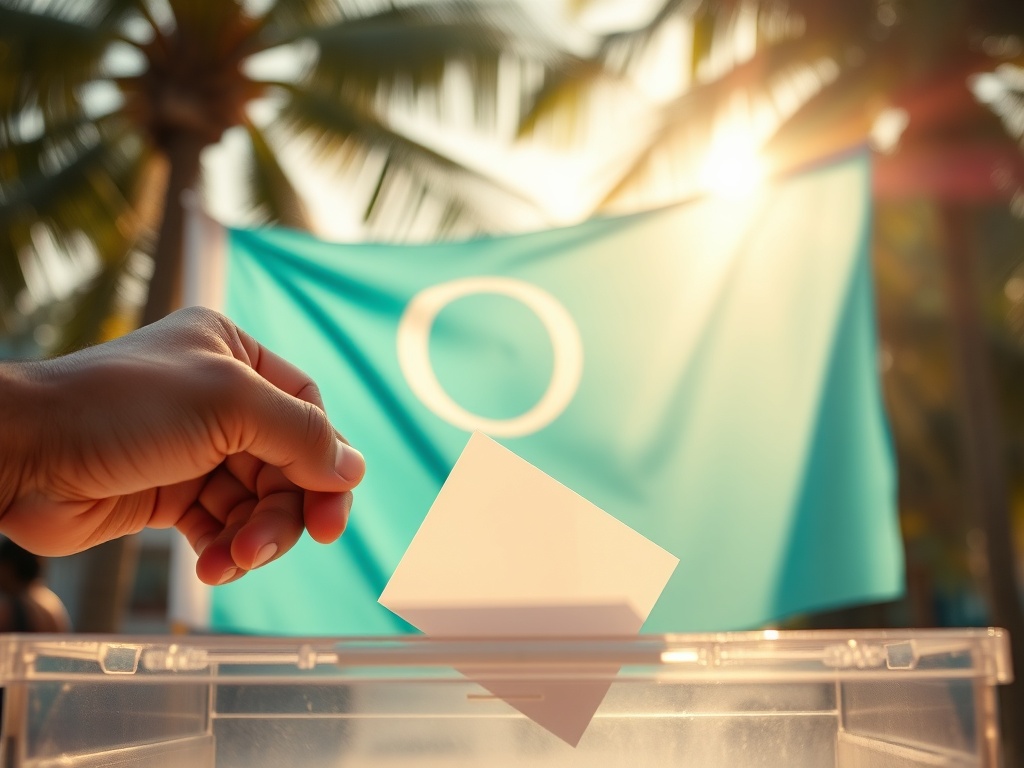
The Ballot Cast, The Doubt That Remains
Across the archipelago, a quiet unease settles over political discourse—not with the loud protests of revolution, but with the whispered doubts that undermine democracy's foundations. When citizens question the credibility of electoral processes, they're not merely challenging individual outcomes but expressing a broader crisis of confidence in the systems meant to safeguard their voice.
The pattern has become familiar across emerging democracies: the gradual erosion of institutional independence, the subtle stacking of electoral bodies with partisan loyalists, and the quiet marginalization of oversight mechanisms. These developments rarely occur as dramatic coups but as incremental changes that collectively compromise the integrity of the democratic process.
In the Maldivian context, these concerns take on particular urgency. With a history of political turbulence and recent consolidation of power, questions about vote credibility reflect legitimate anxieties. When judicial appointments become politicized and oversight bodies lose their independence, the entire electoral ecosystem suffers. The machinery of democracy—from voter registration to ballot counting—depends on public trust, and that trust is fragile.
The economic dimension cannot be overlooked. When governments face allegations of using state resources for political advantage, when housing projects and subsidies become electoral tools rather than public services, citizens naturally wonder whether their vote carries equal weight. The perception that economic benefits flow along political lines undermines the fundamental principle of equal participation.
What makes these concerns particularly troubling is their self-reinforcing nature. As trust in electoral integrity declines, voter participation may wane, creating a vicious cycle where only the most partisan citizens remain engaged. The center—where healthy democracies thrive—begins to hollow out, leaving political discourse increasingly polarized and less representative of the broader population.
The solution lies not in dismissing these concerns but in addressing them through transparent processes, independent oversight, and institutional reforms that restore public confidence. When citizens can see—clearly and unequivocally—that their votes are counted accurately and that the process is free from manipulation, democracy's foundations strengthen. The credibility of any vote ultimately rests on the credibility of the institutions that administer it, and rebuilding that credibility requires sustained commitment from all political actors.
In the end, the question of vote credibility is about more than just elections—it's about whether citizens believe their voices matter in shaping their nation's future. When that belief falters, the very contract between governed and governing begins to unravel, leaving democracy vulnerable to the corrosive effects of cynicism and disengagement.
— Source fragments: How credible was this "vote" ?