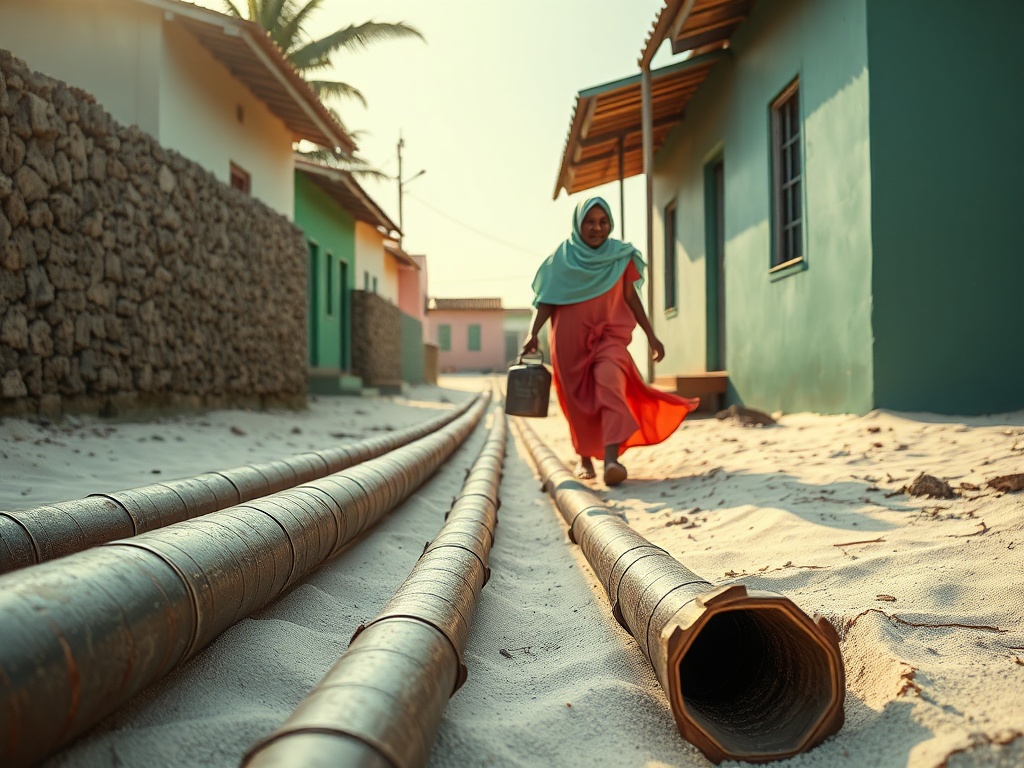
The Bandaara Bin: Still Carrying What Pipes Promised to Deliver
In the scattered archipelago where ocean surrounds every horizon, the most precious commodity has become the one that flows from taps—when it flows at all. Across multiple islands, residents wake to the same frustrating reality: the bandaara bin, the familiar water container, remains their primary source for a basic human necessity.
The questions echo through island communities with increasing urgency. Why do reverse osmosis plants fail simultaneously with pipeline systems? If maintenance requires flushing lines, why can't water be distributed directly from production points into the containers people bring? The technical explanations offered—when they come at all—feel inadequate to communities living through their third or fourth day without reliable running water.
This isn't merely an infrastructure problem; it's a crisis of confidence. The very engineering that should sustain life in these fragile environments—the RO plants that transform seawater into drinking water, the pipelines that deliver it to homes—appears to fail with alarming regularity. When systems designed to provide independence instead create dependency, something fundamental has broken.
In Fuvahmulah, the frustration reaches a boiling point that transcends mere inconvenience. The threat of political consequences—of citizens so desperate for basic services they'll challenge the ruling party's stronghold—speaks to a deeper discontent. Water, or the lack of it, becomes the measure of governance itself.
The pattern repeats across the islands: a system failure, vague explanations, temporary solutions, and then the cycle begins anew. Residents become experts in contingency planning, their lives organized around water collection schedules rather than the simple expectation that turning a tap will yield a predictable result.
What's missing isn't just water, but transparency. The 'latest update' residents plead for represents more than information—it represents accountability. When infrastructure fails, communication shouldn't. The silence that often follows breakdowns speaks volumes about priorities and power dynamics.
In a nation where political promises flow as freely as the ocean, the literal flow of water remains uncertain. The bandaara bin has become more than a container; it's a symbol of adaptation, resilience, and sometimes, resignation. As climate change threatens the very existence of these islands, the inability to provide consistent fresh water represents a failure that goes beyond broken pipes and malfunctioning plants—it strikes at the heart of what it means to govern a nation where survival depends on managing scarcity.
— Source fragments: Water distribution failures, RO plant and pipeline breakdowns, demand for updates and transparency, political consequences of service delivery failures