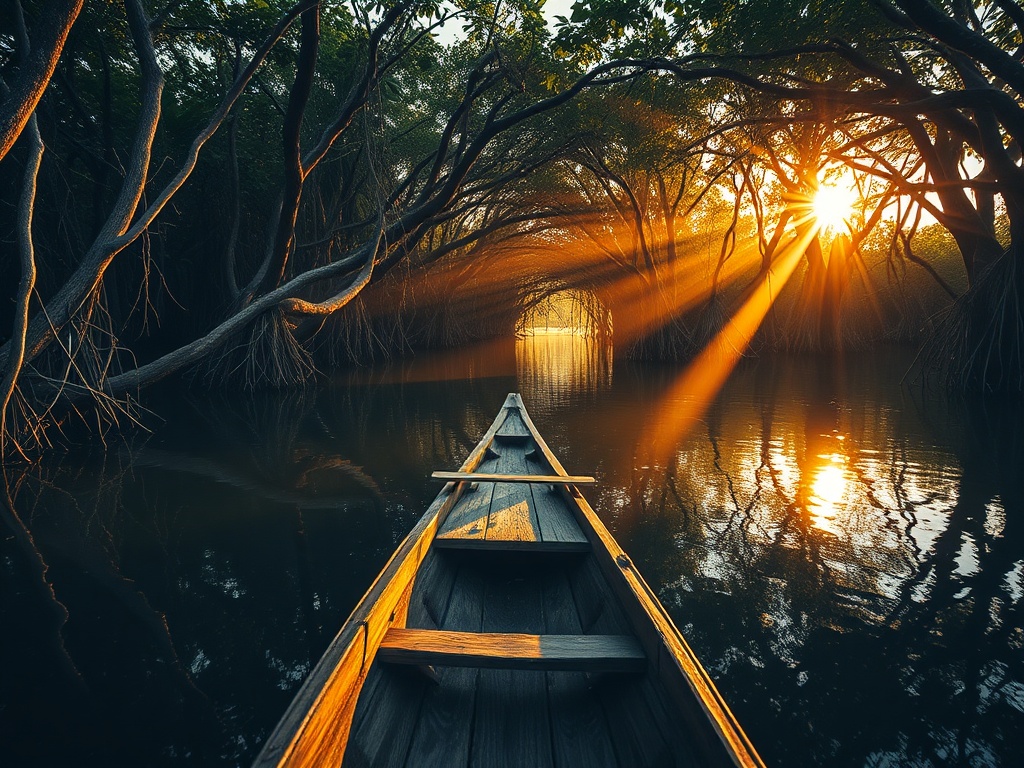
The Canoe's Last Journey Through Fishimathi's Mangroves
The canoe glides through water the color of steeped tea, moving between the tangled roots of Fishimathi's mangroves. This is the last journey through a living nursery that has sheltered juvenile fish, crabs, and shrimp for centuries. By next month, the Environmental Protection Agency's approval will transform this thriving ecosystem into reclaimed land for another road—one that critics say duplicates existing routes while destroying irreplaceable natural infrastructure.
Across the atolls, similar scenes unfold. In Fuvahmulah, coconut palms centuries old are being felled to mimic Malé's concrete landscape. The pattern repeats: natural protection sacrificed for what locals call 'tharahghee'—development that prioritizes concrete over conservation. The debate has shifted from whether development should occur to what kind of development serves both people and the fragile ecosystems that sustain them.
Mangroves represent more than scenic beauty. They form the archipelago's first line of defense against storm surges, their intricate root systems stabilizing shorelines while nurturing the fisheries that feed communities. When a mangrove falls, the loss ripples through the food chain and weakens the islands' natural resilience. The framing of these projects as innovative industry introductions clashes with the reality of what's being destroyed—ecosystems that took decades, sometimes centuries, to mature.
The tension between preservation and progress has reached a critical point. Hundreds of NGOs have raised concerns, petitions circulate, and local communities voice opposition, yet the bulldozers continue their work. The discussion now centers on whether short-term economic gains justify permanently altering the very landscapes that define the Maldivian identity and ensure its physical survival.
As the canoe approaches the end of its journey, the question lingers in the salt-tinged air: when the last mangrove falls and the final coral is buried under sediment, what will remain of the Maldives that drew the world to its shores? The most valuable commodity isn't the concrete poured over reclaimed land, but the living systems that have sustained these islands long before reclamation became policy.
— Source fragments: User voices expressed grief over mangrove destruction in Fishimathi, criticism of EPA approvals despite public opposition, concerns about losing natural storm protection and fisheries, observations of similar destruction in Fuvahmulah, and the tension between concrete development and environmental preservation.