The certificates they wave can't fix our broken streets
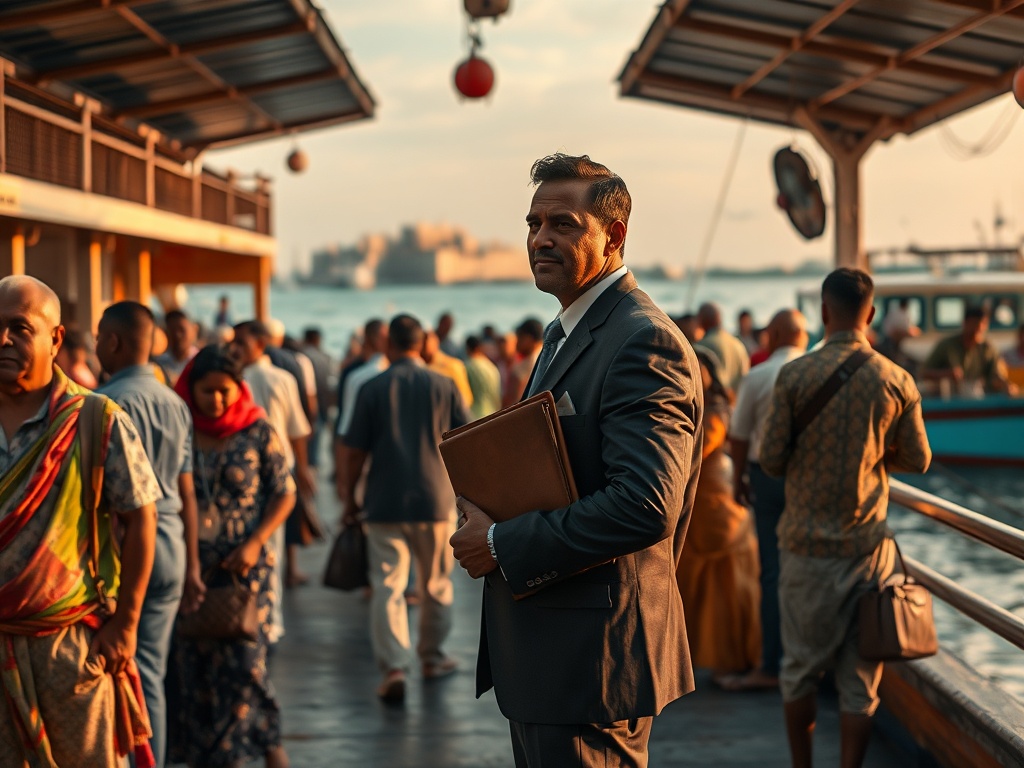
I was waiting for the ferry today, watching the water slap against the concrete harbor wall. The usual crowd gathered—students heading to college, workers going to their jobs, mothers with children. Then I saw him. A man in crisp white shirt and tie, holding a leather folder that probably contained his precious certificates. He was talking loudly on his phone about his qualifications, his voice carrying over the harbor sounds like a misplaced announcement.
It struck me as comical, really. Here we are, living in islands where the sea threatens to swallow our homes, where our children can't find jobs despite their education, where the cost of living makes every trip to the market feel like a financial calculation. And yet some people think their framed degrees are what matter most. They wear their qualifications like armor, as if certificates could fix our broken healthcare system or lower the price of rice.
Their arrogance isn't just personal—it's become our national disease. The same attitude that fills ministries with unqualified relatives while qualified youth leave for better opportunities abroad. The same mindset that values paper credentials over actual competence. I've seen doctors with impressive degrees who can't get basic medicines, engineers with master's degrees who oversee crumbling infrastructure, politicians with PhDs who can't solve the housing crisis.
What good are certificates when people are subleasing government flats from abroad while families cram into single rooms in Malé? What value do qualifications hold when the system is designed to benefit only those with connections? They wave their diplomas like magic wands, expecting us to be impressed while our daily struggles continue unchanged.
The irony is that the most qualified people I know—the fishermen who read the sea like a book, the mothers who stretch budgets to feed their families, the teachers who work despite inadequate resources—they don't carry certificates in leather folders. Their qualifications are written in their hands, in their resilience, in their ability to navigate a system that constantly works against ordinary people.
Maybe that's why we find it so funny when the certificate-wavers perform their importance. We're not laughing at their education—we value learning deeply in this country. We're laughing at the disconnect, at the absurd theater of qualifications in a context where what truly matters is character, compassion, and the willingness to actually solve problems rather than just talk about one's ability to solve them.
As my ferry finally arrived, the certificate-man was still talking, his voice now drowned by the engine's rumble. I found myself smiling. However many degrees they accumulate, however loudly they announce their qualifications, the sea will still rise, the prices will still climb, and the people will still need real solutions from real leaders—not just impressive papers from impressive folders.