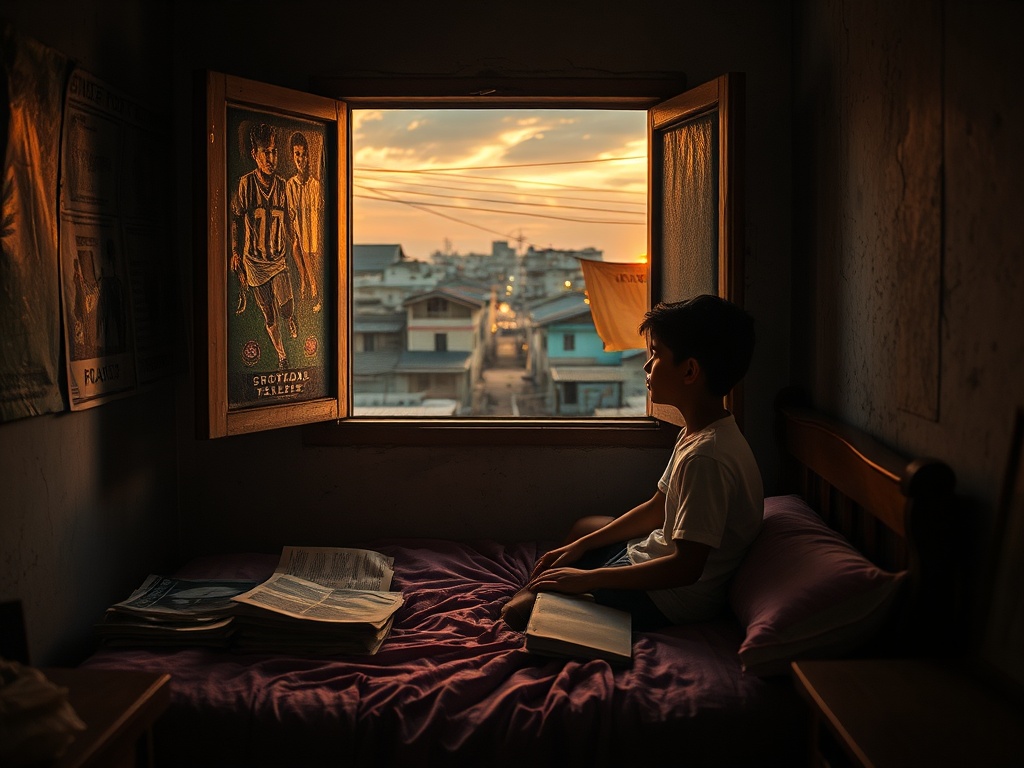
The Childhood Bedroom That Became a Permanent Address
In the cramped living rooms of Malé and the crowded atolls, a quiet revolution of consciousness is brewing. The conversation has shifted from the familiar political theater of capital versus outer islands to a more fundamental divide: those who control the means of building shelter versus those who merely need a place to call home.
The Maldivian housing and construction industry operates as a powerful engine in our economy, yet its gears turn on the aspirations of ordinary citizens. For many working-class families, the dream of home ownership has become a financial anchor, dragging them deeper into debt while enriching those who control the construction materials, land allocation, and development permits.
This isn't merely about political parties or regional rivalries. It's about economic structures that perpetuate inequality. The childhood room that represents safety and nostalgia for some becomes a cage for others—a place of forced return when economic circumstances collapse under the weight of unaffordable housing costs. For young professionals starting careers, for families trying to build stability, the mathematics of survival increasingly doesn't add up.
The construction boom visible across the Maldives tells only part of the story. Behind the gleaming new buildings lies a reality where wages stagnate while housing costs soar, where the working class exchanges their labor not for prosperity but for the privilege of basic shelter. The system creates beneficiaries at multiple levels—from large contractors to property speculators—while leaving the actual residents bearing the financial burden.
This economic arrangement shapes more than just bank accounts; it shapes lives. It determines where families can live, what opportunities they can access, and what futures they can imagine. The working class finds itself in a perpetual cycle of paying for the very system that constrains them, their labor fueling an industry that prices them out of its own products.
Yet within this reality lies the seeds of change. As awareness grows, so does the demand for housing that serves as a foundation for life rather than a financial millstone. The conversation is evolving from mere criticism to constructive demand for systems that prioritize human dignity over profit, that recognize shelter as a right rather than a luxury.
The true measure of our progress will be found not in the height of our buildings but in the security of our homes, not in the profits of construction companies but in the stability of working families. The walls we build should shelter dreams, not imprison them.
— Source fragments: The maldivian housing and construction industry and their beneficiaries profit from the enslavement of working class maldivians; It is not male' vs raajjethere, it has always been the working class vs the capitalists; Here's the childhood room that you think some of us have to return to