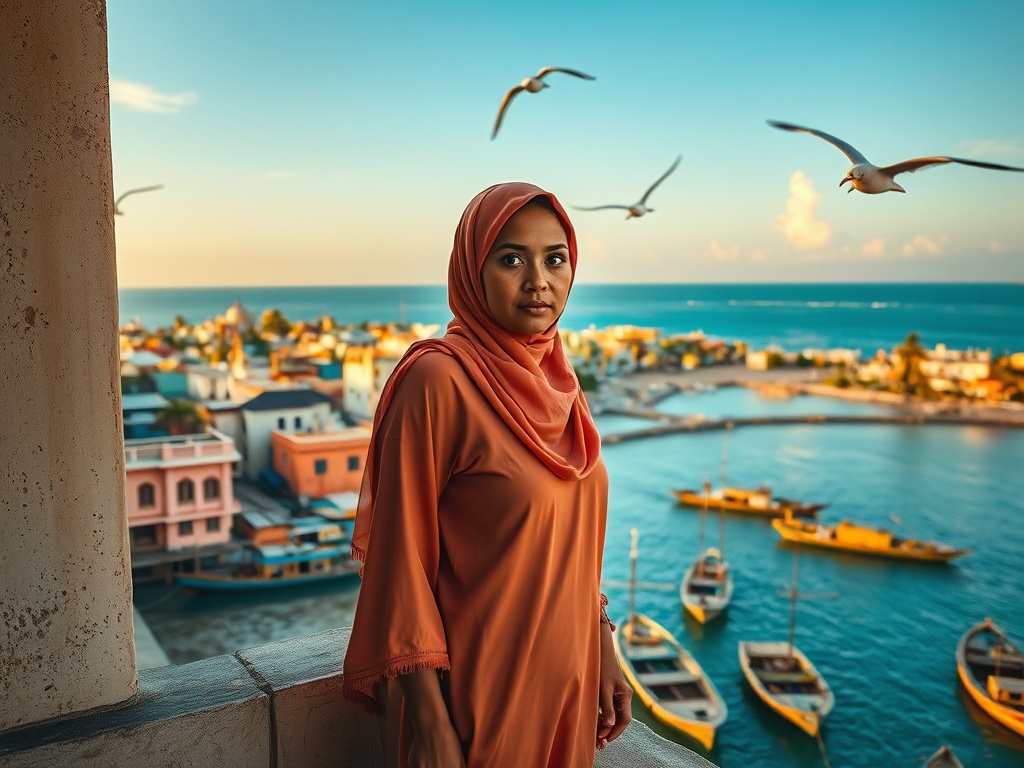
The City That Swallowed the Last Light
Aisha watched the sunset bleed orange across the lagoon, the water swallowing the last light like it was thirsty for color. From her small room in Malé, she could hear the city's constant hum—scooters buzzing through narrow streets, the distant call to prayer, the relentless construction that never seemed to solve the housing crisis, only added to the noise.
Her phone buzzed with another message from her mother in the atolls. 'The sea is calm today. Your father caught a good tuna.' Aisha could almost smell the salt and fresh fish, feel the gentle sway of the dhoni that had been her childhood cradle. Here in the capital, the only scents were exhaust fumes and the occasional whiff of garbage from overcrowded streets.
She'd come to Malé for university, full of dreams that now felt like distant islands. The job applications piled up in her inbox—polite rejections or silence. She watched expatriates fill positions she was qualified for, their presence both a practical problem and a symbol of something deeper, something about how the world saw her home.
Tonight, she was meeting friends at a café they couldn't really afford. Mariyam wanted to talk about going abroad for work, her nursing qualifications more valuable in other countries. Hassan was considering joining his uncle's construction business, another political appointment that made him uncomfortable but paid well.
'We're like the currents,' Mariyam had said last week, 'pulled in so many directions we forget which way leads home.'
Aisha thought about the drug problems affecting her cousin, the way opportunities seemed to evaporate like morning mist on the water. She thought about the politicians who promised change while building higher walls around their own privileges.
But then she remembered her grandmother's hands, weathered from years of weaving palm fronds into mats, creating beauty from what the island provided. 'The sea gives and takes,' she'd told Aisha. 'But it never abandons those who understand its rhythm.'
As Aisha left her room to meet her friends, she noticed a small plant growing through a crack in the concrete walkway—tenacious green against the gray. It wasn't about fighting the system or surrendering to it, she realized. It was about finding the cracks where something true could grow.
The weight of the islands wasn't just the burden of their problems, but the solid ground of who they were. And like that stubborn plant, they would find their way toward the light.
— Source fragments: