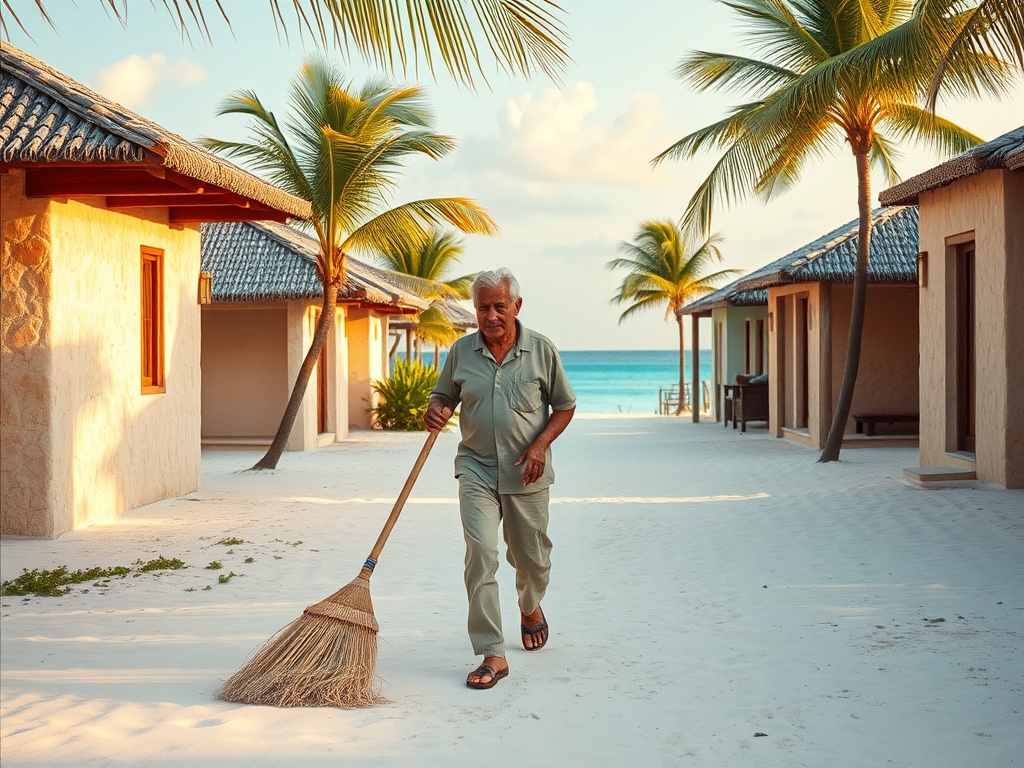
The Clean Habits We Left Behind
There was a rhythm to island mornings that has grown faint now. I remember my grandfather rising before fajr, not to scroll through a phone, but to walk the sandy paths between houses, checking on neighbors, ensuring the community well was clean, the mosque courtyard swept. The discipline wasn't just personal; it was woven into the social fabric. The shared responsibility for the *furi*—the island's central gathering space—meant it was always pristine, a collective pride.
Today, in the cramped lanes of Malé, that rhythm is a distant echo. The habit of communal care has been replaced by the frantic pace of individual survival. We see it in the plastic wrappers that skitter across the harbor wall, in the resigned shrug when a public space falls into disrepair. It's not malice, but a kind of collective exhaustion. The focus has narrowed from 'our island' to 'my family,' and further still to 'my phone, my worries, my immediate needs.'
The old cleanliness wasn't just about physical order. It was a mindset, a form of respect—for your home, your neighbor, and the delicate environment that sustains us. The sea, once treated with reverence, now bears the burden of our neglect. The discipline of conserving water, of repairing rather than replacing, feels like a forgotten language. We've gained convenience, connectivity, and a dizzying array of consumer goods, but we've lost the quiet satisfaction of a shared, well-kept space and the unspoken agreement to look after it together. The challenge isn't just to clean up; it's to remember why we ever bothered in the first place.
— Source fragments: True. But we don't have the clean habits we used to have as a society.