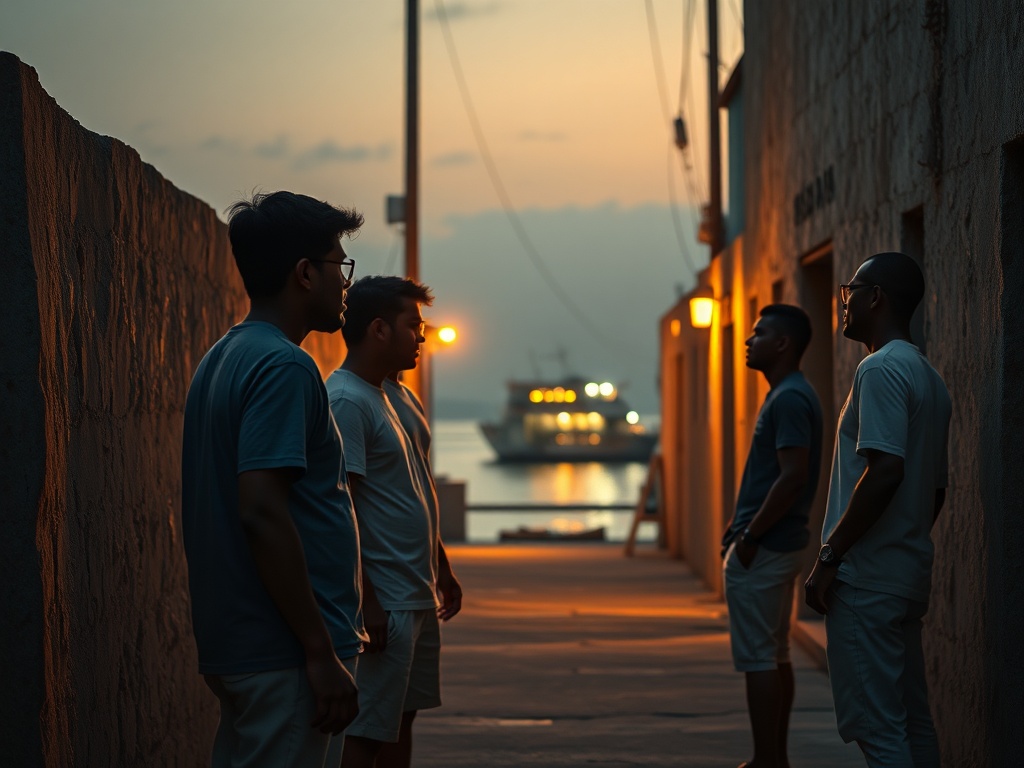
The country must know the family that tortured them.
The phrase echoes in the tea shops and social media feeds of Malé, a stark accusation wrapped in the anguish of a people feeling the weight of unseen hands. Who are these families? What systems have they built to perpetuate their control, and how do their actions ripple through the daily struggles of ordinary Maldivians?
When we look at the political landscape, we see a pattern of concentrated power. Relatives appointed to key ministries and ambassadorships are not merely a matter of patronage; they are the architecture of a system designed to resist scrutiny. This isn't just about one family; it's about a structure where loyalty is valued over competence, and public office becomes a private inheritance. How does this affect governance? The bloated public sector, filled with non-working political appointees, is a direct consequence, draining state resources that could otherwise ease the cost-of-living crisis.
The economic implications are profound. If a select few control the levers of power, who benefits from the tourism revenues? The complaint that resort owners park money abroad while the nation suffers foreign currency shortages points to a deeper malaise. Is the economic model itself being manipulated to serve a narrow elite, leaving the youth with unemployment and drug problems as their only inheritance? The connection between political nepotism and the failure to create meaningful local opportunities is a chain that binds the nation's potential.
Consider the housing crisis. When subsidized flats are given to political allies who then sublease them for profit from abroad, it's not just a policy failure; it's a betrayal. This practice directly exacerbates the congestion in Malé, making a basic human need—shelter—a tool for political gain and private enrichment. Where does this leave the young couple trying to start a family or the student moving from an outer atoll for education?
The call to 'know the family' is therefore a demand for accountability in a system where the lines between state and private interest have been deliberately blurred. It challenges the culture of silence and fear. If freedom of expression is eroding and the judiciary is perceived as politicized, how can this truth ever come to light? The public's hunger for answers is a direct response to the feeling of being tortured not by overt violence, but by the slow, grinding pressure of systemic injustice that touches every aspect of life, from the price of groceries to the quality of healthcare.
This is not a search for villains in a vacuum. It is an attempt to understand the mechanics of power that have led to such widespread disillusionment. The question remains: what will it take for the country to truly know, and what happens after it does? The answer will define the future of Maldivian democracy and the very soul of its society.