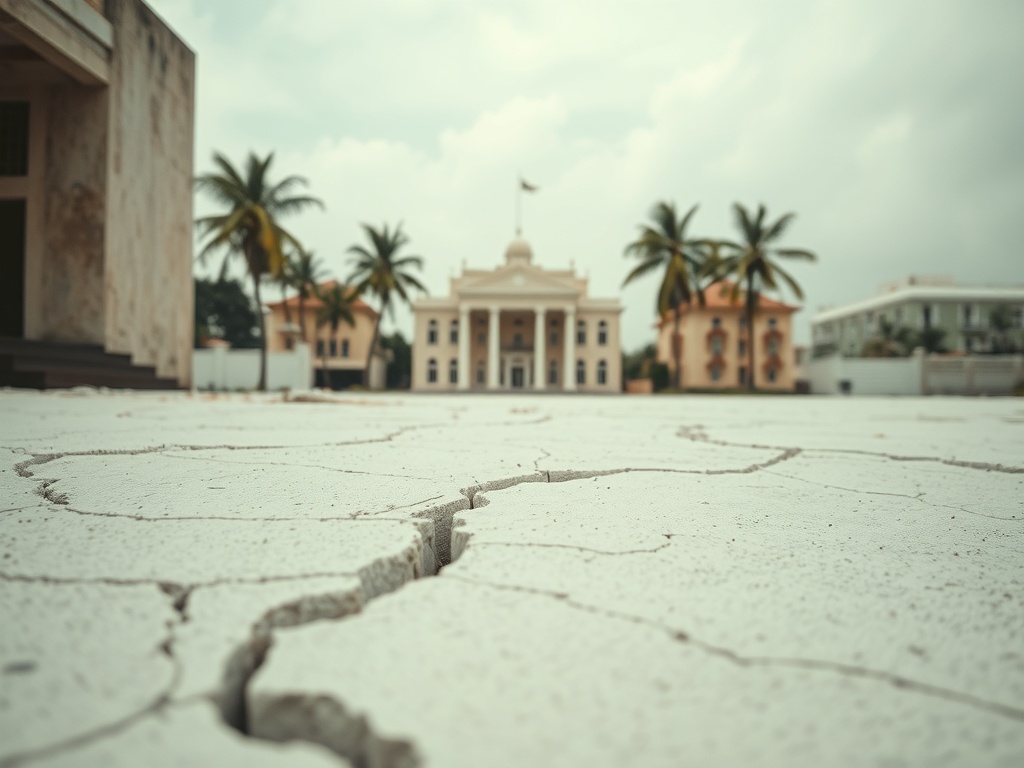
The Cracked Foundation of Maldivian Democracy
Trust is the foundation of any relationship between a government and its citizens. It should be the highest priority of any governing body to cultivate and maintain this trust—in people, in institutions, in the system itself. Yet across Maldives, that foundation appears to be cracking.
The sentiment echoes through conversations in Malé's coffee shops and across social media platforms: "We do not feel truly represented." This isn't merely political disagreement; it's a deeper alienation from the mechanisms of governance. When citizens question whether their leaders have ever truly represented their constituencies, when they feel their voices have become distant echoes in the halls of power, the very contract of representation begins to unravel.
This disillusionment manifests in calls for political renewal—for the old guard to step aside and make way for new leadership. The desire isn't simply for different policies, but for a different kind of politics altogether, one that feels more connected to the people it serves.
The erosion of trust reaches its most dangerous point when citizens begin to question the fundamental premise of democracy itself. The belief that "democracy is a scam" and "power to the people is an illusion" represents more than cynical rhetoric; it signals a breakdown in the perceived legitimacy of the entire political system.
Yet even in this climate of deep skepticism, many citizens maintain a commitment to factual discourse. The preference for verified information over speculation, even when criticizing leadership, suggests an underlying respect for truth that could serve as bedrock for rebuilding trust.
The challenge facing Maldives isn't merely about which party holds power, but about restoring faith in the democratic process itself. When partisan rivalry costs the public trust, when governance feels distant and unaccountable, the damage extends beyond any single administration. It strikes at the heart of what makes a functioning society possible.
Rebuilding this trust will require more than political promises. It demands genuine representation, transparent governance, and leadership that sees public service as exactly that—service to the public, not entitlement to power. The alternative is a continued drift toward alienation, where the distance between government and governed becomes unbridgeable.
— Source fragments: The relationship between a Gov and its citizens, like any other, is built on TRUST; We do not feel truly represented; I would like to hear them step away from the political limelight and give way to new people; Break the system. Democracy is a scam. Power to the people is an illusion; i wud prefer not to assume or accuse unless its a fact