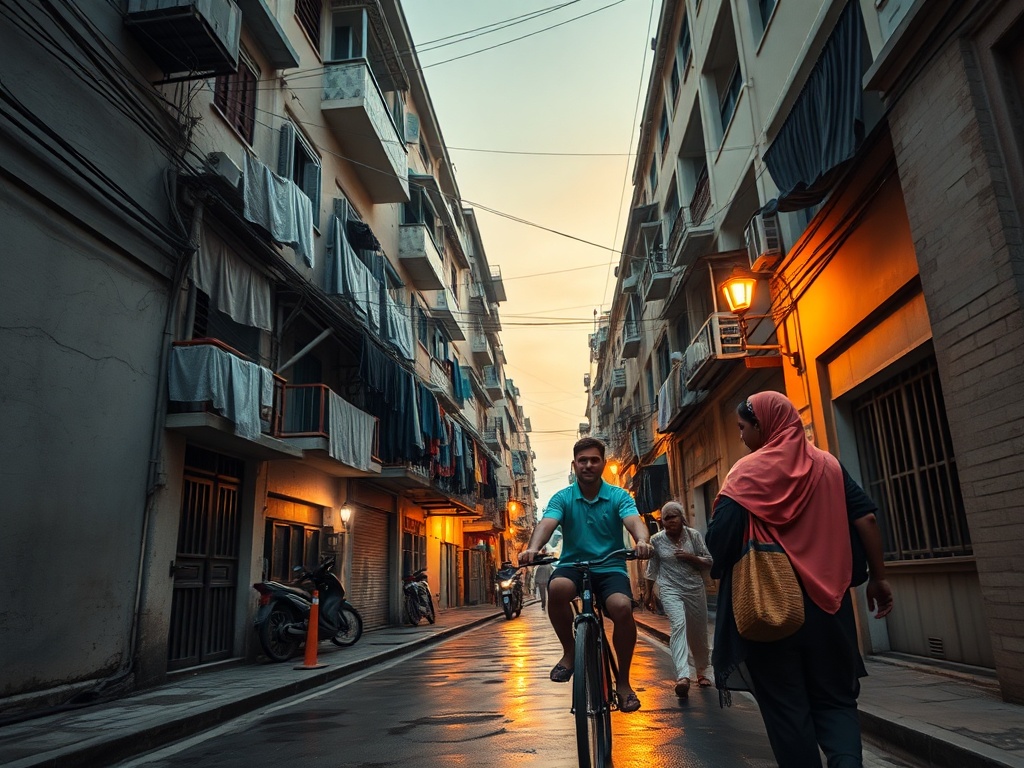
The Crowded Street Where Rent Decides Who Stays
In the crowded islands of the Maldives, the question of property rentals cuts to the heart of the nation's most pressing social and economic challenges. What appears on the surface as a straightforward matter of supply and demand reveals itself as a complex web of systemic issues affecting ordinary Maldivians.
The housing crisis in Malé, where population density reaches staggering levels, has transformed rental markets into arenas of economic survival. Families compete for limited living space while facing prices inflated by government policies and market distortions. The capital's geographical constraints compound the problem—there's simply nowhere to expand, creating a perfect storm of scarcity and demand.
Government housing projects, intended as solutions, have often become part of the problem. Subsidized flats meant for low-income families are frequently subleased by original beneficiaries who live abroad, creating a shadow rental market that bypasses the system's intended purpose. This practice not only undermines housing policy but reflects a broader pattern where public resources become private revenue streams.
The economic pressures driving these behaviors are undeniable. With the high cost of living fueled by government money printing and rising taxes, many Maldivians seek any available avenue for additional income. The tourism-dependent economy creates wealth disparities that make property ownership and rental income particularly attractive, yet increasingly inaccessible to the average citizen.
Expatriate workers, drawn by employment opportunities in tourism and construction, further complicate the rental landscape. Their presence creates additional demand in already strained markets, while their remittances abroad contribute to foreign currency shortages that affect the entire economy.
What emerges is a rental market caught between genuine need and systemic dysfunction. The question isn't simply about the mechanics of renting property, but about how housing has become both a reflection of and contributor to the nation's economic challenges. As property becomes increasingly commodified, the social contract around shelter and community undergoes subtle but significant transformation.
The rental conundrum ultimately speaks to larger questions about development priorities and economic justice. In a nation where land is both scarce and politically charged, how property is rented, owned, and regulated reveals much about who benefits from the Maldives' economic model—and who gets left behind in the crowded streets of the capital.
— Source fragments: User question about property rental problems used as launching point for broader housing crisis analysis