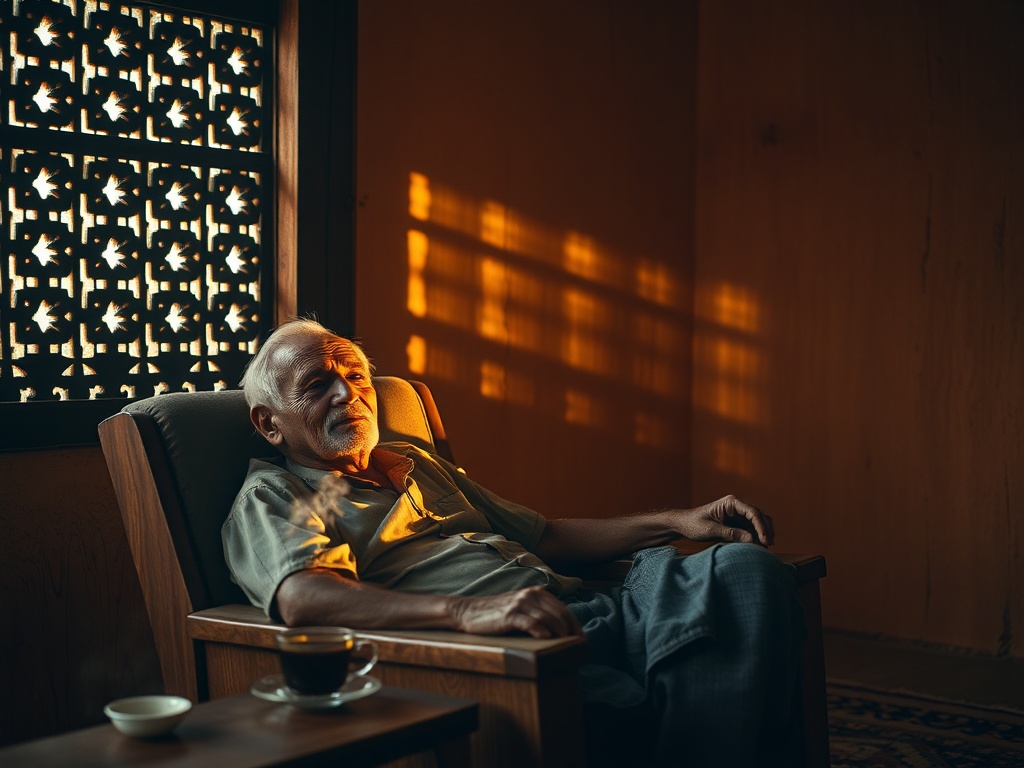
The Cup of Black Tea Cooling in the Evening Light
There comes a moment in every life when the body begins to demand what the mind has long neglected. For some, it arrives subtly—a gradual shift in priorities that sneaks up like the evening tide. The realization that sleep is no longer a necessary interruption but a deliberate practice, something to be respected, even curated. This is the quiet transition into a new stage of being, where rest becomes both refuge and ritual.
The memory of a Turks and Caicos summer surfaces in this twilight space—not as a specific recollection of white sand beaches or turquoise waters, but as a symbol of a different era. A time when sleep was something to be conquered, delayed, traded for experience. When nights were for living and days for recovering. That summer exists now as a distant echo, a photograph whose colors have softened with time.
Questions that once felt urgent now float through consciousness with less insistence. The whimsical inquiry about Narnia's ownership, the playful suggestion that a feline might claim sovereignty over fictional kingdoms—these are the fragments of a mind that once had room for such delightful distractions. Now, the questions have grown heavier, more fundamental. "Are they alive?" carries different weight when you've accumulated enough years to understand what permanent absence means.
The generational shift arrives unceremoniously. "Well I am the grandparent now since they dead." The grammatical roughness belies the profound truth: we become elders not through ceremony but through attrition. The mantle settles on shoulders that may not feel ready to bear it. The transition happens in the quiet moments—when you're the one reminding others to rest, the one who understands the value of an early night.
There's a new urgency to be specific, to name the places that matter. The vague geography of memory no longer satisfies. We want coordinates, details, the precise locations where life happened. This isn't mere nostalgia—it's the desire to anchor fleeting moments in something tangible before they dissolve completely.
In the Maldives, where the rhythm of life is measured by monsoon cycles and prayer times, this transition takes on particular resonance. The constant hum of island life continues—the fishermen heading out before dawn, the call to prayer marking the hours, the endless negotiation between tradition and modernity. Yet for the individual moving through this landscape, the internal clock begins to keep different time.
The pursuit of proper sleep becomes a quiet rebellion against the noise—both external and internal. It's the recognition that to navigate the complexities of contemporary Maldivian life—the economic pressures, the social transformations, the political currents—requires a foundation of genuine rest. The mind that once raced through hypothetical kingdoms now seeks the solid ground of well-earned repose.
This isn't surrender to age but evolution of purpose. The same energy that once fueled adventures to distant shores now cultivates the inner landscape. The questions may have changed, but the curiosity remains—redirected toward understanding what it means to truly inhabit the time we're given, to sleep deeply so we might wake more fully to whatever remains.
— Source fragments: I have reached that point in life where I've started to take sleep seriously; Well I am the grandparent now since they dead; Don't be too vague. Name the places!; It was a Turks and Caicos summer; Then who's Narnia is it? My cat's?; Are they alive?