The Currency of Fear
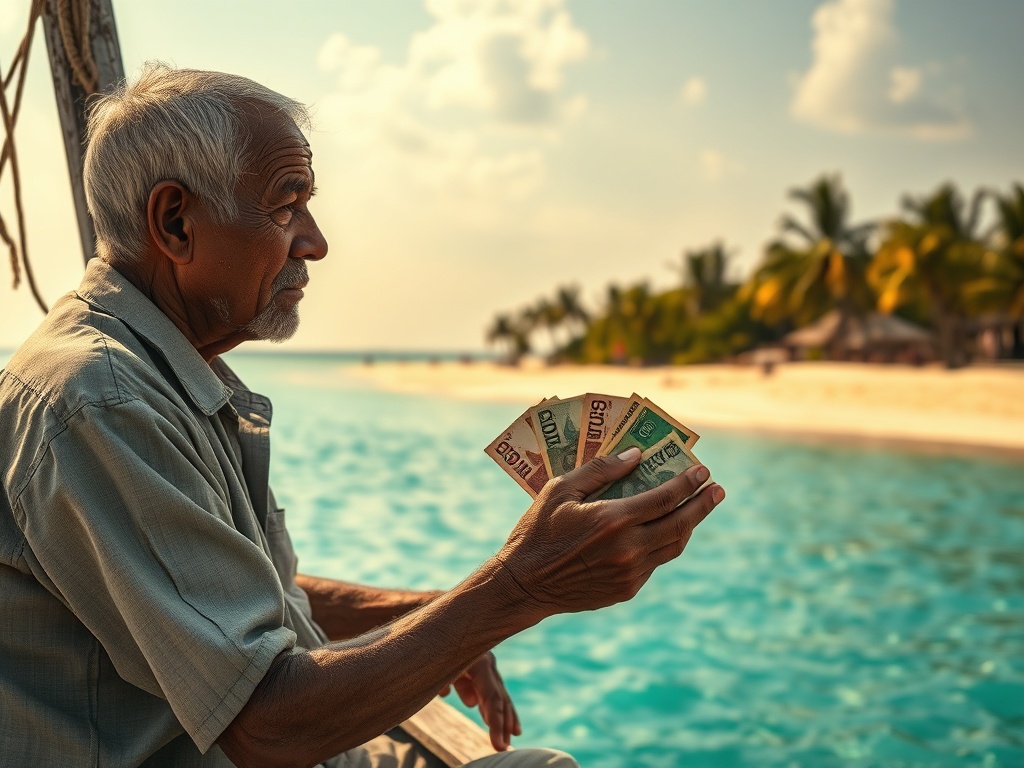
The morning news scrolls by with declarations from distant capitals, condemnations and political maneuvers that feel like theater performed on another planet. Meanwhile, the fish seller at the local market counts his wrinkled rufiyaa notes with a sigh, noticing how they buy less each week.
There's a particular kind of disconnect that happens when you live on a small island nation. The grand political statements from world leaders echo through social media feeds, but the real story unfolds in the rising price of rice at the corner shop, in the worried conversations between mothers about school fees, in the way fishermen calculate diesel costs against their potential catch.
When officials speak of 'scaremongering' about money printing, the words land differently here. We've seen this script before—the confident assurances that everything is under control while the cost of living quietly strangles household budgets. The ocean that surrounds us doesn't care about political rhetoric; it only responds to the tangible—the fuel in the boat, the repair costs for the engine, the actual purchasing power of the day's earnings.
In the space between official statements and market realities, people develop their own calculus. They measure truth not in press releases but in the weight of their shopping bags, not in political condemnations but in whether they can afford the diabetes medication their father needs. The real story isn't in the headlines about who condemned whom, but in the quiet adjustments families make when the numbers no longer add up.
Perhaps this is the universal language of survival—learning to read the subtle currents beneath the surface noise, to distinguish between the performance of governance and the substance of daily existence. The ocean teaches patience, but it also teaches discernment. We know when the weather is truly changing, regardless of what the forecast claims.
— Source fragments: Money printing story is scaremongering