The Cycle We Keep Repeating
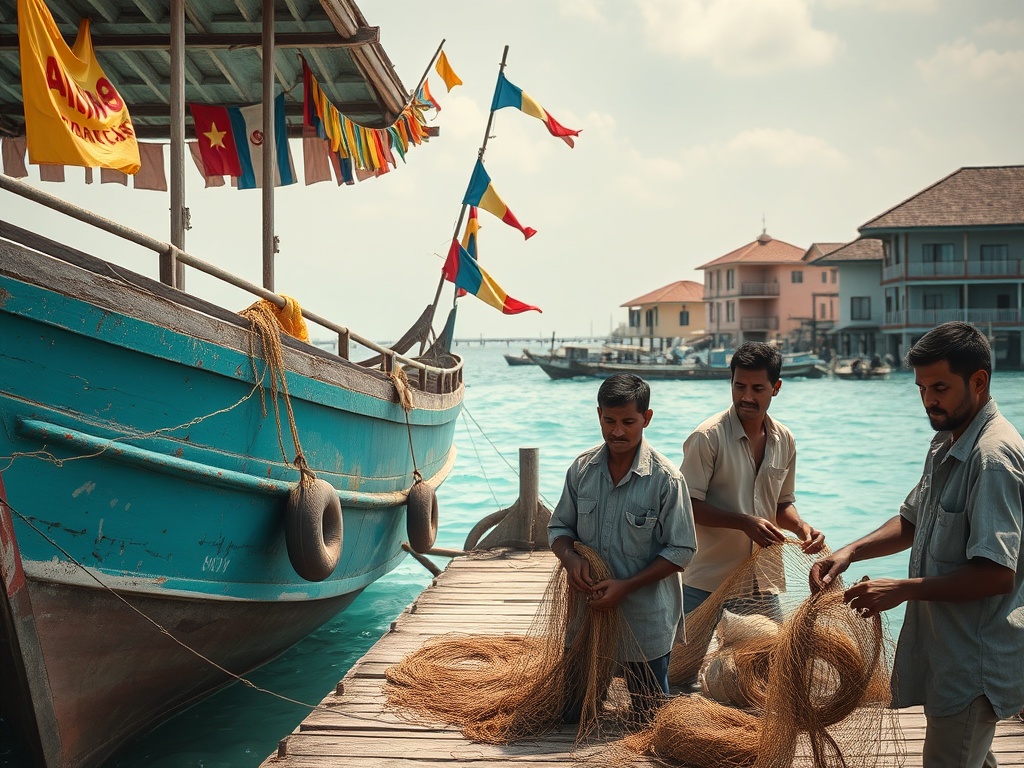
The ferryman waits at the jetty, watching the same boats come and go with different names painted on their bows. The faces change at the helm—sometimes younger, sometimes older, sometimes speaking different promises—but the engine sputters the same way, the hull leaks in the same places, and the passengers still complain about the same rough passage between islands.
I think about this when I hear people argue about who should steer the boat. We focus so much on the captain—their voice, their hands, their vision—that we forget the vessel itself has weaknesses built into its frame. The wood was never properly treated, the navigation tools are outdated, and the crew was hired for loyalty rather than skill. No matter who takes the wheel, the journey remains precarious.
In our own archipelago, we've seen this play out across administrations. The fundamental mechanisms—the institutions meant to support, check, and balance—remain as fragile as a coral reef facing rising seas. They crack under pressure, unable to sustain the weight placed upon them. The result isn't about any single leader's failure, but about a system that cannot properly function regardless of who sits in the highest chair.
What we need isn't just a new captain, but shipwrights who can repair the vessel itself. People who understand that strong timbers, reliable compasses, and trained crews matter more than charismatic navigation. Until we address these underlying weaknesses, we'll keep watching the same cycles repeat—different faces, same broken journey—while the real work remains undone beneath the surface, where the structural flaws quietly determine our course.
— Source fragments: "the issue is less about the head of the snake, but more so about the underlying mechanisms that keep the system running... if the supporting institutions are weak, the cycle will repeat"