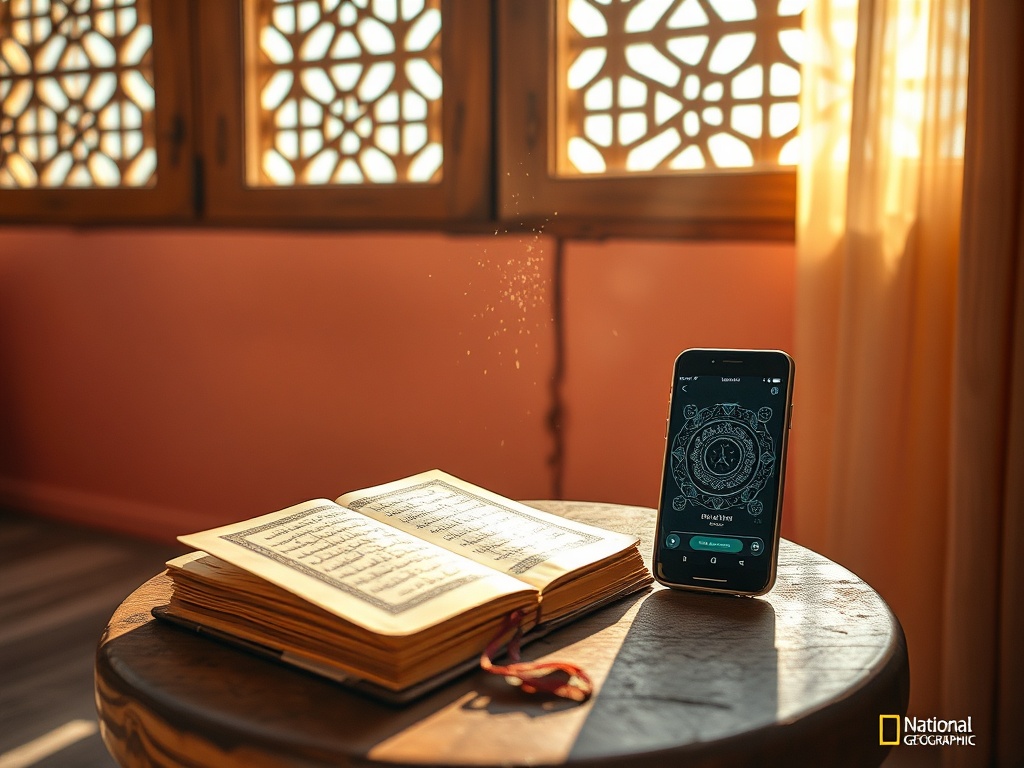
The Digital Mufti: Why Maldivians Question AI's Role in Religious Guidance
In the digital age, where information flows freely across borders and algorithms shape our understanding of the world, a quiet but profound debate is unfolding across the Maldivian archipelago. At its heart lies a fundamental question: can artificial intelligence, created by non-Muslim developers in distant lands, ever be trusted with matters of Islamic faith?
The skepticism runs deep. Many Maldivians argue that Islamic knowledge cannot be properly sourced from AI systems, pointing to the inherent limitations of technology created by those outside the faith. The concern isn't merely technical but theological—if the developers aren't Islamic scholars, how can their creations provide reliable religious guidance? This mirrors historical anxieties about textual corruption, drawing parallels to concerns about altered religious texts throughout history.
The debate touches on practical examples that highlight the gap between algorithmic responses and scholarly wisdom. Consider the hypothetical scenario of asking an AI whether one should wear a mini-skirt—the answer might be pragmatic or culturally neutral, but it would lack the religious context and moral framework that an Islamic scholar would provide. This illustrates the fundamental difference between information and wisdom, between data processing and religious understanding.
This technological skepticism intersects with broader conversations about religious obligation and personal choice. The discussion around awra—the Islamic concept of modesty and covering—reflects how deeply religious principles are woven into the social fabric. When believers assert that certain practices are obligations rather than choices, they're speaking to a understanding of faith that transcends personal preference and enters the realm of divine commandment.
Yet the conversation extends beyond purely religious concerns to touch on national identity and international perception. References to the Maldives as an 'Islamic apartheid country' for its citizenship policies reveal how religious identity shapes legal structures and how those structures are viewed from outside. The call for reciprocal treatment suggests a desire for either reform or recognition of the consequences of such policies in a globalized world.
As Maldivians navigate these complex questions, they're essentially wrestling with how to maintain religious integrity in a technologically saturated age. The solution, for many, lies in traditional sources of knowledge—seeking understanding from qualified scholars rather than algorithms, from established Islamic institutions rather than Silicon Valley startups. In a nation where faith forms the bedrock of national identity, the boundaries between technological progress and religious preservation are being carefully negotiated, one digital query at a time.
— Source fragments: Islamic knowledge can never be taken from AI, it can't be trusted; developers of such islamic AI aren't scholars; Revealing awra is a sin; Muslim women are obligated to cover; Maldives is a islamic apartheid country