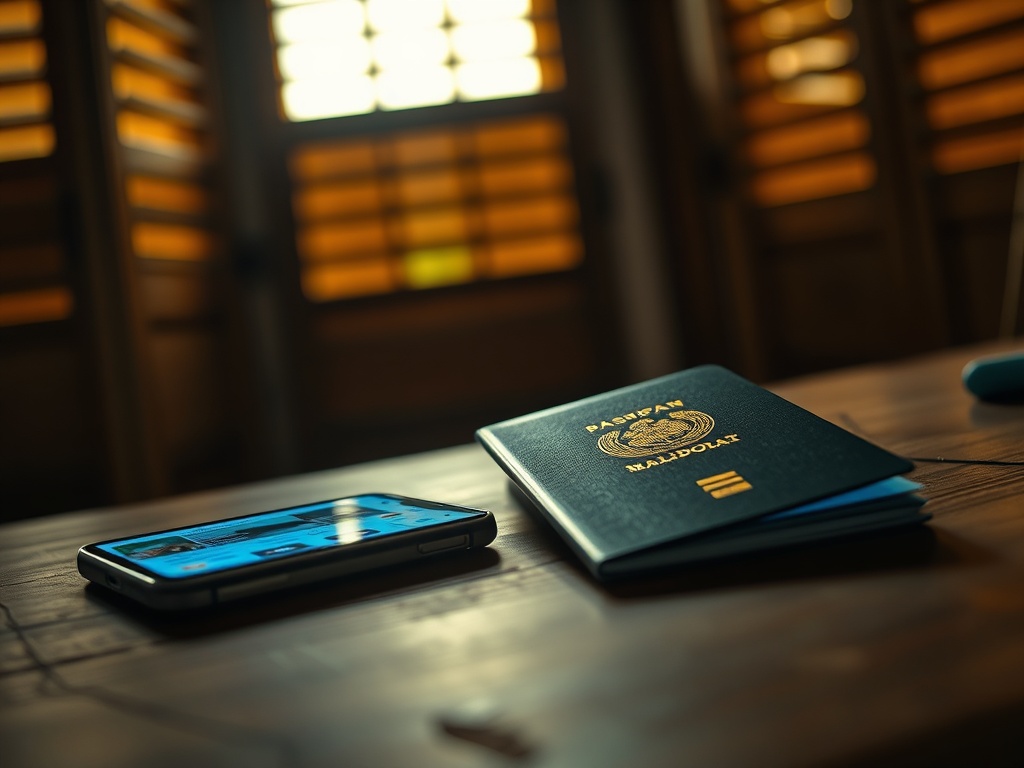
The Diplomatic Passport Post That Became a Badge of Honor
The declaration is blunt, almost a meme: "If I am ever in a political post just know I am only there for the diplomatic passport." It's posted without shame, a badge of transparent, utilitarian ambition. This isn't the rhetoric of ideological conviction or public service; it's the cold calculus of a generation that has seen the mechanisms of power up close and decided to game the system for its most tangible perks. The diplomatic passport here is less a tool for statecraft and more a symbol of mobility, access, and a life unbound by the ordinary constraints faced by most Maldivians.
This cynicism doesn't exist in a vacuum. It flourishes in a soil enriched by years of observing a political landscape where appointments are often transactional, where bloated ministries are staffed with political loyalists rather than competent professionals, and where the line between public office and personal privilege is notoriously blurred. When governance is perceived as a vehicle for nepotism and self-enrichment, the public's aspirational models warp in response. Why strive for principled leadership when the rewards seem so clearly tied to connections and compliance?
The fantasy extends beyond politics into pure escapism. "And for my next trick I am going to bring Man Utd back to their glory days. Looking for a time machine used like new," another voice quips. The joke is layered. It mocks the impossible task of restoring faded greatness—a sentiment that could apply to a football club, a political party, or perhaps a nation's perceived golden age. The 'time machine' is the ultimate get-out clause, a desire not to build or reform, but to rewind. It's a retreat from the complex, grinding work of addressing a high cost of living, youth unemployment, or a strained healthcare system. When the present feels stagnant or the future uncertain, nostalgia for a mythologized past—or the fantasy of a sudden, magical fix—becomes a potent coping mechanism.
Beneath the sarcasm and the absurdist humor—the "peak skibidi" ideas and the ironic declarations—lies a palpable sense of dislocation. These are not calls to action; they are shrugs translated into text. They represent a cohort that is highly aware of the systemic issues yet feels powerless or disinclined to engage with them through conventional channels. The ambition is there, but it's been rerouted: towards personal exit strategies like a coveted blue passport, or into the safe, consequence-free arena of sports fandom and internet memes.
This is the language of a generation negotiating its place in a society where traditional markers of success feel either out of reach or morally compromised. Their dreams are not of revolution, but of evasion—of finding a backdoor to a better life, or failing that, laughing at the sheer improbability of it all from the sidelines. It's a quiet, digital rebellion of lowered expectations and pragmatic, if cynical, survival.
— Source fragments: "If i am ever in a political post just know i am only there for the diplomatic passport." "And for my next trick i am going to bring man utd back to their glory days. Looking for a time machine used like new." "This is peak skibidi sarcar idea."