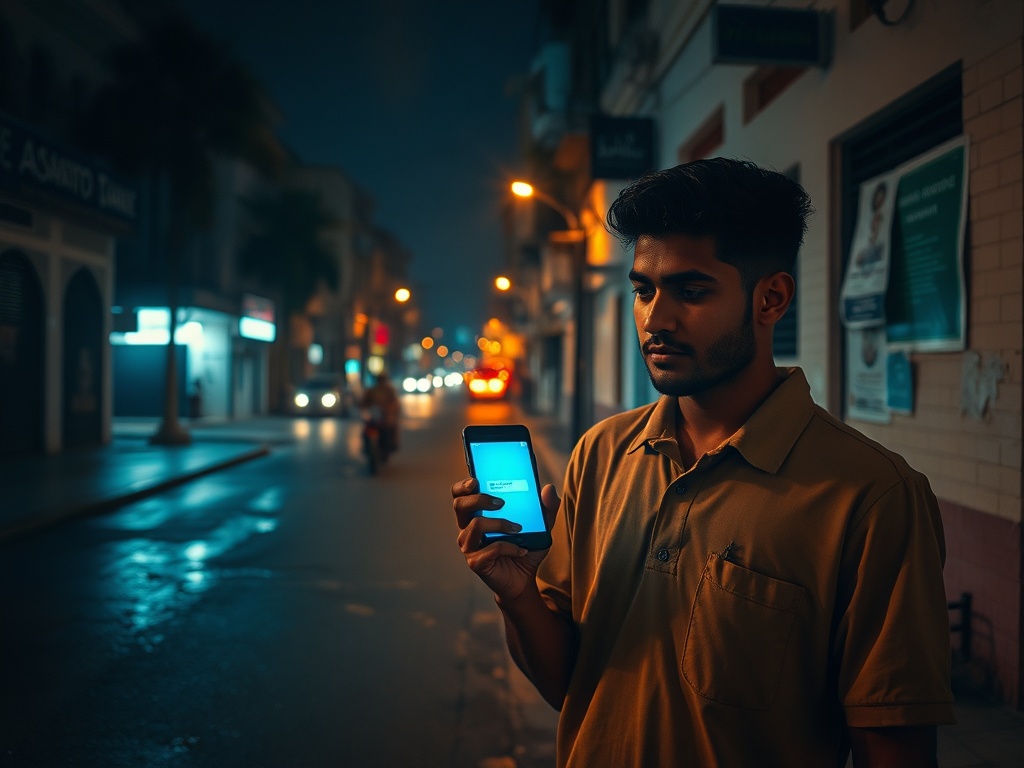
The Divine Third of the Night
Between 2am and 3am, when the digital noise subsides and the capital's congestion gives way to stillness, a different kind of conversation emerges. This sacred space allows thoughts to flow freely, unburdened by the performative nature of daytime discourse. Dialogue peaks during this divine third of the night, when movies fail to capture the profound clarity that emerges as the world sleeps.
We exist in an era where spoken words can be unsaid with the same ease they were uttered. The digital footprint of public figures and ordinary citizens alike becomes a shifting landscape where yesterday's conviction might vanish by morning. This phenomenon extends beyond simple retraction into strategic silence, where absence speaks louder than proclamation.
Media's role grows increasingly crucial—not merely as a megaphone for official narratives but as the keeper of what remains unsaid. When quotes disappear hours after appearing, when public records of conversation evaporate into digital ether, the responsibility falls to documentarians to preserve the full spectrum of discourse.
Political allegiance further complicates this landscape. The careful positioning of chosen people within party structures creates invisible boundaries around acceptable conversation. Even when valid criticisms are acknowledged and concerns shared, the overarching directive remains: maintain positivity, avoid combativeness. This creates the strange duality of collective agreement to present unity while private opinions diverge.
Cultural touchpoints become unexpected battlegrounds. Commentary on everything from UFC matches to celebrity lookalikes serves as proxy for deeper political and social tensions. What appears as casual observation often carries the weight of unspoken allegiances and carefully coded messages.
Spellcasting for the masses—what some call broadcasting—reveals how narrative shaping has become the modern political art. In a nation grappling with corruption scandals, foreign policy tensions, and systemic governance challenges, the battle over which stories get told, which quotes remain visible, and which conversations happen in daylight versus darkness defines our political reality.
Yet in those sacred night hours, when official narratives recede and performative unity relaxes, the Maldives continues its most honest conversations—in the spaces between what is said and what gets unsaid, between public allegiance and private doubt, between the broadcast and the whisper.
— Source fragments: Let's try to find out these datas and info, that's why I said the role of media is crucial in this; The quote doesn't exist in 4hrs. We live in a time, were what we say also gets unsaid; Its their chosen people; We collectively tell everyone on our side to keep positive and not to be combative; 2am is when its at its peak. The last third of the night is divine; Spellcasting for the masses is called broadcasting