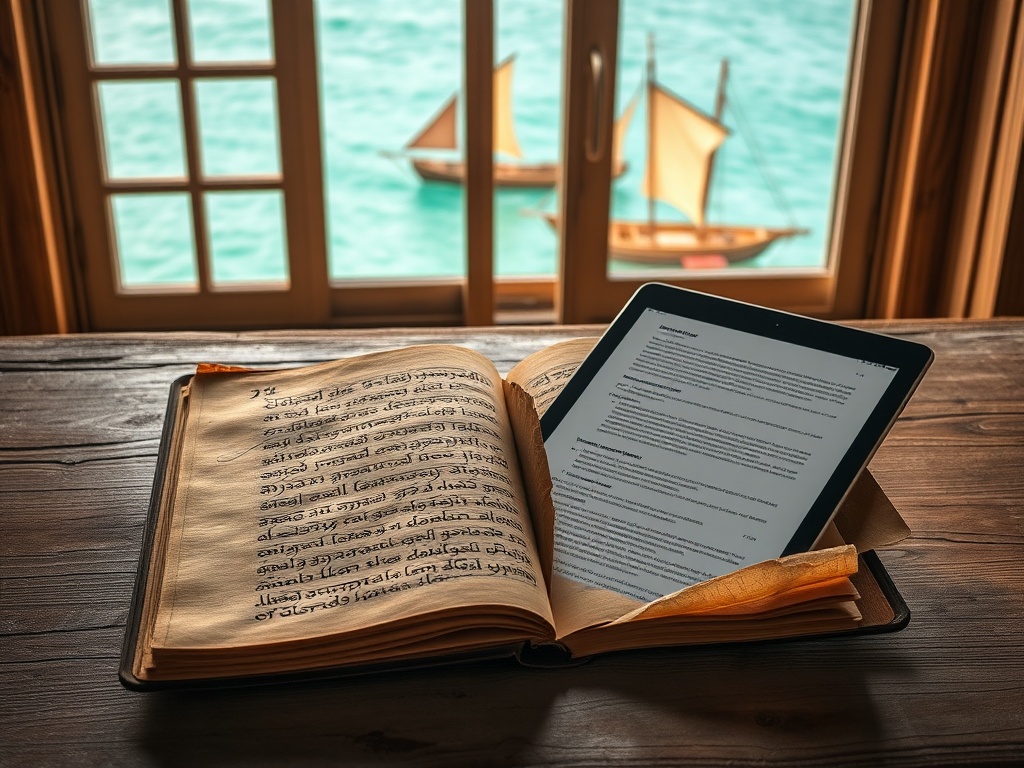
The Fading Text and the Social Media Debate
In the quiet corners of Maldivian discourse, history whispers through the gaps in official narratives. The stories we tell ourselves about our past carry the weight of unspoken truths and deliberate omissions. Across social media and private conversations, a growing chorus questions the foundational myths that have long defined our national identity.
The southern atolls of Addu and Huvadhoo represent more than geographical locations—they embody a persistent tension between central authority and regional autonomy. Historical accounts of resistance and suppression in these regions challenge the notion of a seamlessly unified nation. The legacy of these conflicts continues to shape contemporary political alignments and regional disparities, with economic control and resource distribution remaining contentious issues generations later.
Our understanding of pre-Islamic Maldivian history faces similar scrutiny. The romanticized tales of ancient temples and mythical sea creatures that populate school textbooks and tourist brochures are increasingly met with skepticism. Critics argue these narratives serve to sanitize a more complex past, transforming difficult historical realities into palatable folklore. The suggestion that darker aspects of our heritage have been systematically erased raises profound questions about how nations construct their origin stories.
This revisionist impulse reflects a broader global phenomenon where post-colonial societies reassess their historical narratives. In the Maldives, the process is complicated by the interplay of oral traditions, limited archival records, and the political utility of certain historical interpretations. The very act of questioning established history becomes a political statement, challenging not just what happened but who gets to decide what counts as truth.
Yet the danger lies in replacing one oversimplification with another. Historical reckoning requires nuance—acknowledging that power dynamics have always shaped our story without dismissing the cultural richness that has sustained communities through centuries of change. The current debate represents not just an academic exercise but a fundamental renegotiation of Maldivian identity in the 21st century.
As we move forward, the challenge remains: how to build a historical consciousness that honors complexity while fostering national cohesion. The answers may determine not only how we understand our past but how we navigate our future as a nation grappling with modernization, globalization, and the persistent echoes of histories we're only beginning to fully confront.
— Source fragments: Historical claims about Addu and Huvadhoo autonomy attempts; questions about pre-Islamic historical narratives and folklore; observations about political divisions across different eras