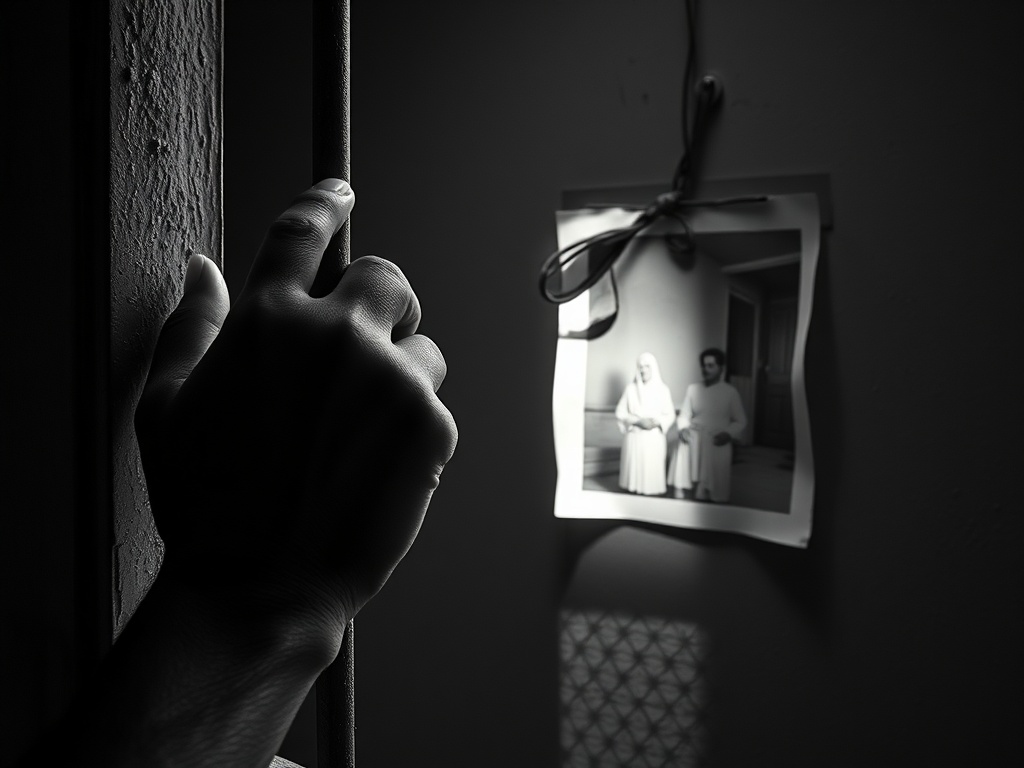
The Father in the Viral Video That Left Everyone Speechless
The video circulates through social media feeds with the quiet persistence of truth that refuses to be ignored. A father, his face etched with the weight of his circumstances, becomes an unwitting symbol of a struggle playing out in countless Maldivian households. Each view leaves viewers speechless, not just at the image itself, but at the complex reality it represents.
In a nation where family structures often depend on single income earners, the imprisonment of a breadwinner creates ripples that extend far beyond prison walls. The video captures more than just a man behind bars—it captures the silent anxiety of children wondering about their next meal, of spouses navigating suddenly precarious finances, of elderly parents whose support system has vanished overnight.
This phenomenon touches on deeper questions about justice and compassion in our society. How do we balance legal accountability with recognition of human dignity? What responsibility does a community bear for the families left vulnerable when their primary provider is removed from the equation?
The emotional response to the video reflects a collective unease about systems that might overlook the human consequences of their actions. In Male's crowded neighborhoods, where extended families often live in close quarters, one person's imprisonment can destabilize multiple households. The practical challenges are immediate: rent payments, school fees, medical expenses—all the mundane necessities of life that become monumental obstacles when income disappears.
Yet within this difficult reality emerges a testament to human resilience. Communities often rally around affected families, offering whatever support they can manage. The traditional values of neighborly assistance and family solidarity become lifelines in these circumstances. This informal safety net, while imperfect, represents the best of Maldivian social fabric—the understanding that our fates are interconnected.
The conversation sparked by this single video extends beyond one man's story to broader considerations of how we structure support systems for vulnerable families. It raises questions about whether our legal and social institutions adequately account for the collateral damage of incarceration, and whether alternative approaches might better serve both justice and community welfare.
As the video continues to circulate, it serves as a reminder that behind every legal case are human beings with stories, responsibilities, and people who depend on them. The challenge for any society is to administer justice without losing sight of the human networks that each individual sustains—and that sustain them in return.
— Source fragments: Father whose video has been circulating on SM; left speechless & filled with awe; cruel to lock up innocent souls who are sole breadwinners for their families