The Fishermen of Politics
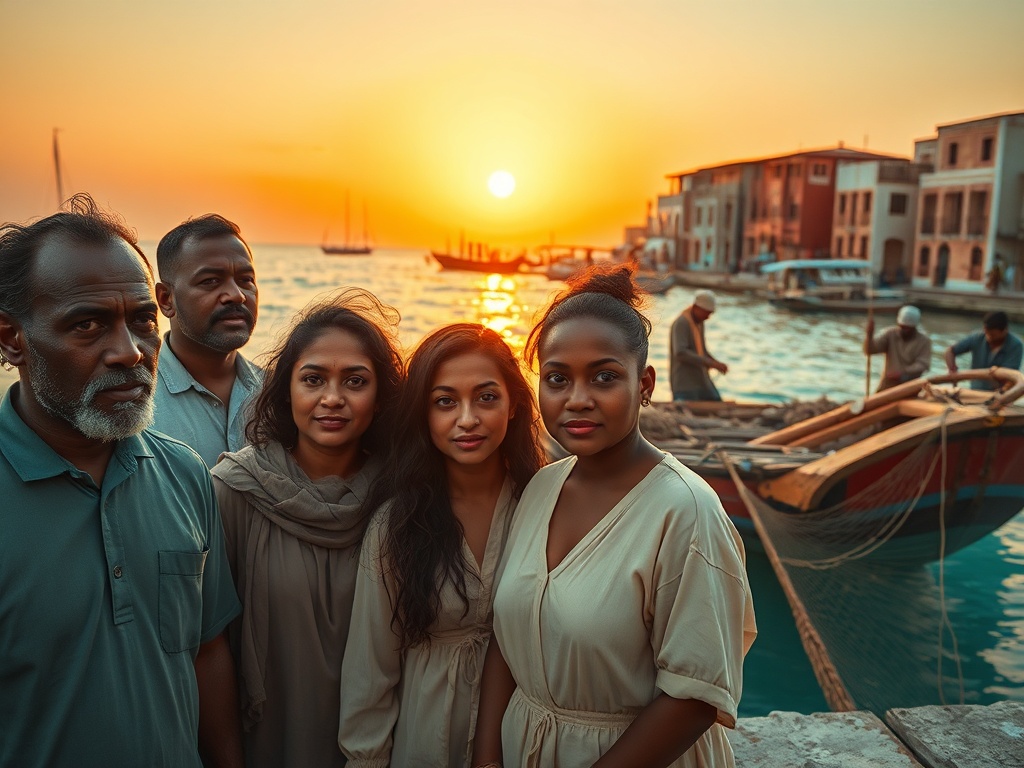
The young man adjusts his shirt collar in the evening heat, the fabric still damp from the afternoon sea breeze. He knows the script well by now—the chants, the marches, the righteous anger. Across the harbor, old fishermen mend their nets with practiced hands, their eyes occasionally glancing toward the political gathering. They’ve seen this dance before.
In these islands, politics has become another kind of fishing. You join the boat, you learn from the keyolhus—the experienced ones—and you hope your catch will be enough to feed your family. The young aren't gullible; they're practical. They understand that protest photos with handcuffs have become a strange sort of currency, a prerequisite for the government jobs that might lift them from the cramped rooms of Malé. They trade their youth for connections, their idealism for security.
I watch them from the edges of the crowd, their faces illuminated by phone screens and streetlights. Some speak with genuine fire about sovereignty and justice. Others wear the practiced expressions of those playing a long game. They know they're being used—the Russian czar comparison isn't lost on them—but what choice do they have when institutions crumble and PhDs fear losing their jobs?
The sea teaches us patience. The old fishermen know you don't fight the current; you work with it. You wait for the right tide. These young political fishermen are doing the same—riding the waves of party agendas, hoping they'll reach shore before being tossed overboard. They calculate risks like their fathers calculated monsoon patterns.
Sometimes, late at night when the speeches fade and the crowds disperse, I see them sitting alone on the seawall. The bravado melts away, replaced by the quiet uncertainty of youth. They stare at the dark water, knowing they're caught between their conscience and their survival. They're not pawns—they're navigators in treacherous waters, using the only maps they've been given.
The tragedy isn't that they're being used. The tragedy is that they know it, and do it anyway, because in these islands where opportunity drifts away like fishing buoys in a storm, sometimes the only way to stay afloat is to hold onto whatever boat will take you.
— Source fragments: "to be a fisherman you have to be on the fishing boat. with old keyolhus sometimes" and "They know the only way to get a good job and career path is to be an agitator for the party"