The Foundations Beneath the Surface
The tide comes in, the tide goes out. We watch it from our shores, the same rhythm that has governed these islands for centuries. When the conversation turns to politics, to the 'head of the snake,' I find my mind drifting away from the loudspeakers in Malé and toward the quiet, steady work happening on the jetty of my home island.
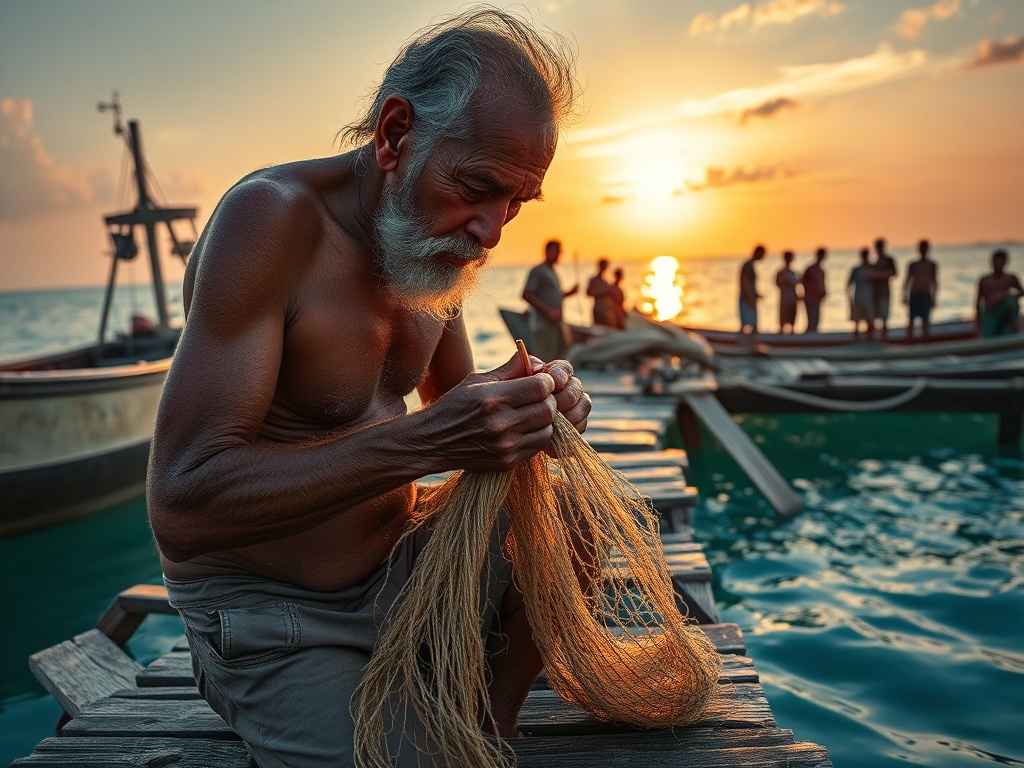
It's not the president or the parliamentary model that fixes the broken plank on the community harbor. It's Uncle Hassan, who has been mending nets and fixing boats since before I was born, who organises the young men to gather after evening prayer. They don't do it for a political party or a campaign promise. They do it because the sea is our life, and a broken jetty means no fish, no supplies, no connection to the world beyond our reef.
This is the mechanism that truly keeps us running. It’s the women’s committee that quietly supports a family when a father is lost at sea. It’s the local teacher who stays late with students, not because the education ministry ordered it, but because she remembers what it was like to dream of something more from these small shores. It’s the unspoken understanding that when a storm comes, we open our homes to each other, no matter who we voted for.
We focus so much on the head, on the loudest voice in the room. But the real strength, the true resilience of these low-lying islands, lies in the countless, quiet foundations we build for each other. When these community institutions are strong—when trust is the currency and shared responsibility is the law—the political winds from the capital matter less. The sea will test us, as it always has. But it’s the foundations we’ve laid together, plank by plank, prayer by prayer, that will determine if we stand or fall. The system is only as strong as the people who hold it up, day after day, in a thousand small, unseen ways.
— Source fragments: "the underlying mechanisms that keep the system running... if the supporting institutions are weak, the cycle will repeat"