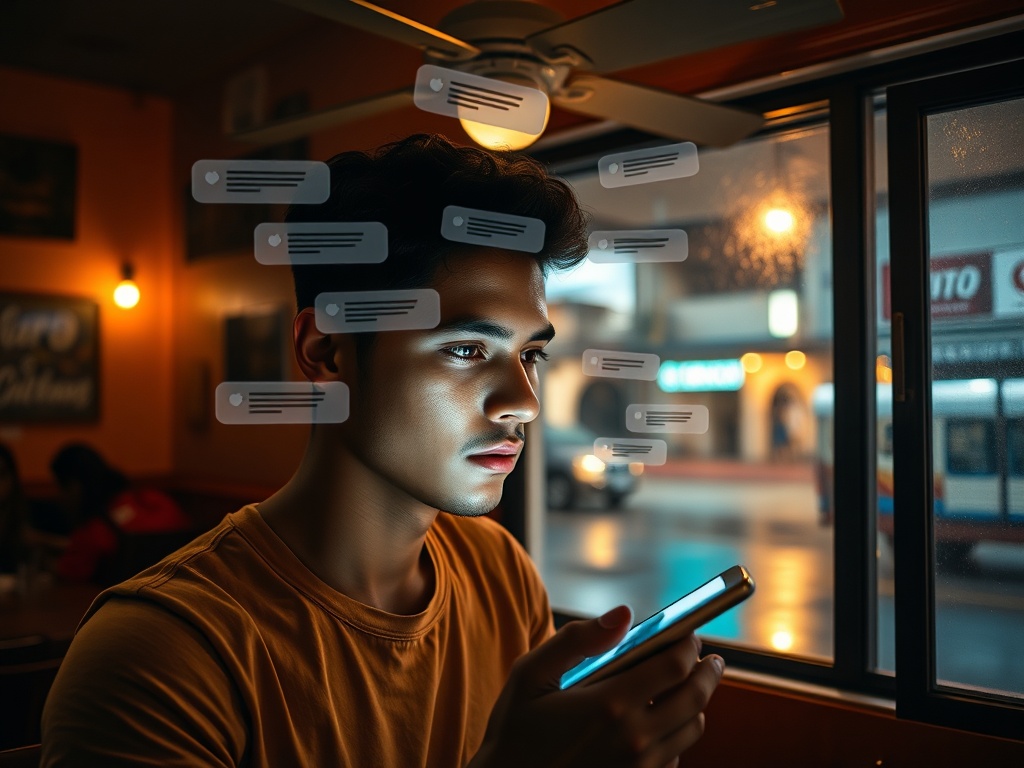
The Glitch We Missed: When Digital Chats Reveal Our Collective Blind Spots
We scroll through messages like we scroll through life—half-paying attention, missing what’s right in front of us. The digital space has become less a forum for dialogue and more an echo chamber where we talk past one another.
Take the simple admission: “Didn’t even notice the error until you pointed it out.” It speaks to our modern attention economy. We’re so flooded with information that we overlook the obvious, relying on others to highlight what we’ve missed. This pattern repeats in Maldivian political discourse, where policy details often go unnoticed until commentators bring them to light.
Then comes the abrupt pivot—a sudden craving for “viral doner kebab.” It’s the digital equivalent of changing the subject when a conversation turns complex or uncomfortable. We retreat to the tangible, the immediate, the sensory. Discussing food feels safer than wrestling with nuance.
Even more telling is the observation that “you sound like you have a conclusion in mind already.” So many of our discussions today are predetermined. We enter conversations not to learn, but to confirm what we already believe. Algorithms feed us content that reinforces our views, narrowing rather than expanding our perspectives.
The request to “remove me from this chat” reflects a growing urge to opt out of discussions that feel unproductive or overwhelming. It’s the digital walk-away—a recognition that not every exchange deserves our energy.
In a society navigating housing shortages, political polarization, and environmental threats, these communication patterns matter. They shape how we process information, form opinions, and engage with the world. The quality of our conversations influences the quality of our collective decisions.
The solution isn’t to abandon digital platforms, but to use them with greater intention. Read carefully before responding. Seek understanding before arriving at conclusions. Notice when we’re talking past each other—and pause to listen. In an age of fragmented attention, the most radical act may be to simply pay attention.
— Source fragments: Didn't even notice the error until you pointed in out, you sound like you have a conclusion in mind already, falah please remove me from this chat